1. Specifications Comparison
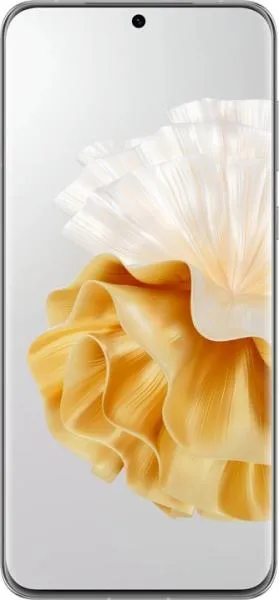
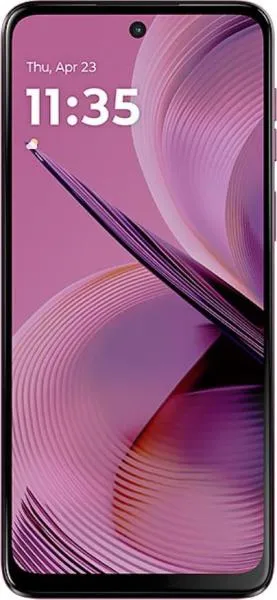
| Feature | Huawei P60 Pro | Motorola Moto G55 | Practical Impact |
|---|---|---|---|
| Design | |||
| Dimensions (mm) | 161 x 74.5 x 8.3 | 161.6 x 73.8 x 8.1 | Virtually identical in size and feel. |
| Weight (g) | 200 | 179 | Negligible weight difference in daily use. |
| Build Material | Not specified | Not specified | Cannot compare build quality and durability. |
| Display | |||
| Display Type | LTPO OLED | IPS LCD | P60 Pro offers superior contrast, deeper blacks, and potentially better power efficiency due to LTPO. G55's LCD might be brighter in direct sunlight. |
| Display Size (inches) | 6.67 | 6.49 | P60 Pro offers slightly larger screen real estate. |
| Resolution | 1220 x 2700 | 1080 x 2400 | P60 Pro has a sharper display with noticeably higher pixel density (444 ppi vs 405 ppi). |
| Refresh Rate (Hz) | 120 | 120 | Both offer smooth scrolling and animations. |
| Performance | |||
| Chipset | Snapdragon 8+ Gen 1 4G (4 nm) | MediaTek Dimensity 7025 (6 nm) | P60 Pro boasts a significantly more powerful processor, resulting in faster app loading, smoother multitasking, and better gaming performance. |
| CPU | Octa-core (1x3.19 GHz Cortex-X2 & 3x2.75 GHz Cortex-A710 & 4x2.0 GHz Cortex-A55) | Octa-core (2x2.5 GHz Cortex-A78 & 6x2.0 GHz Cortex-A55) | P60 Pro's CPU architecture is more powerful and efficient. |
| GPU | Adreno 730 | IMG BXM-8-256 | P60 Pro's GPU offers significantly better graphics performance for demanding games and applications. |
| RAM | 8GB / 12GB | 8GB | More RAM options available on P60 Pro, beneficial for heavy multitasking. |
| Camera | |||
| Main Camera | 48MP, f/1.4 | 50MP, f/1.8 | P60 Pro's larger sensor size (1/1.4") and wider aperture (f/1.4) suggest better low-light performance and depth of field control. |
| Telephoto | 48MP, f/2.1, 3.5x optical zoom | None | P60 Pro offers superior zoom capabilities. |
| Ultrawide | 13MP, f/2.2 | 8MP, f/2.2 | P60 Pro likely offers better ultrawide image quality. |
| Video Recording | Up to 4K@60fps with EIS | Up to 1080p@60fps | P60 Pro supports higher resolution video recording. |
| Battery | |||
| Capacity (mAh) | 4815 | 5000 | G55 has slightly larger battery capacity. |
| Fast Charging | 88W Wired, 50W Wireless | 30W Wired | P60 Pro offers significantly faster wired and wireless charging. |
2. Key Differences Analysis
Huawei P60 Pro Advantages:
- Superior Performance: Significantly faster processor and GPU.
- Better Display: Higher resolution, OLED technology with better contrast and color accuracy.
- More Versatile Camera System: Higher quality sensors, telephoto lens, and superior low-light capabilities.
- Faster Charging: Significantly faster wired and wireless charging.
Motorola Moto G55 Advantages:
- Lower Price: Positioned in the mid-range segment, offering greater affordability.
- Slightly Larger Battery: Potentially longer battery life, but real-world usage will vary.
- 5G Connectivity: Supports 5G networks for faster data speeds.
3. User Profiles & Recommendations
Huawei P60 Pro: Ideal for users who prioritize performance, photography, a premium display, and fast charging. Suitable for demanding tasks like gaming, content creation, and multitasking.
Motorola Moto G55: Suitable for budget-conscious users who prioritize basic smartphone functionality, long battery life, and 5G connectivity. Best for everyday tasks like web browsing, social media, and casual photography.
4. Decision Framework
Key Questions for Buyers:
- What is your budget? The P60 Pro is significantly more expensive.
- What are your primary smartphone usage patterns? (Gaming, photography, social media, etc.)
- Do you prioritize performance, camera quality, or battery life?
Scenario-Based Recommendations:
- Heavy user, high budget: P60 Pro
- Light user, low budget: Moto G55
- Photographer, moderate budget: Consider the P60 Pro if within budget; otherwise, explore other mid-range options with strong camera capabilities.
My Choice: Huawei P60 Pro
While the Motorola Moto G55 offers good value for its price, the Huawei P60 Pro is the clear winner for me. I prioritize a smooth and responsive user experience, which the P60 Pro's powerful Snapdragon 8+ Gen 1 guarantees. The superior camera system, especially the telephoto lens and improved low-light performance, is a significant advantage. The OLED display's vibrant colors and deep blacks are also highly appealing. While the G55's longer battery life and 5G connectivity are attractive, the P60 Pro's significantly faster charging mitigates the battery concern, and 4G speeds are sufficient for my needs. The price difference is substantial, but the P60 Pro offers a significant upgrade in overall quality and user experience that justifies the higher cost for my personal preferences. The lack of specific details on build materials for both phones prevents a definitive assessment of durability. However, considering the overall package, the P60 Pro aligns better with my usage patterns and priorities.
