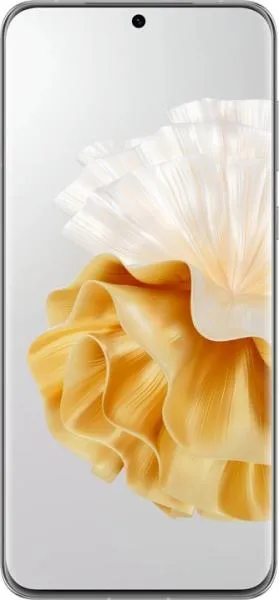
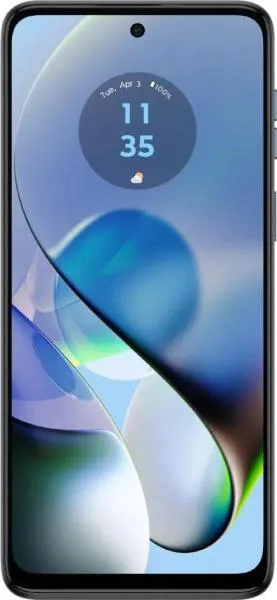
1. Specifications Comparison
| Feature | Huawei P60 Pro | Motorola Moto G54 | Practical Impact |
|---|---|---|---|
| Design | |||
| Dimensions (mm) | 161 x 74.5 x 8.3 | 161.6 x 73.8 x 8 | Virtually identical in size |
| Weight (g) | 200 | 177 | P60 Pro feels slightly more substantial |
| Build Materials | Not specified | Not specified | Cannot compare build quality |
| Display | |||
| Display Type | LTPO OLED | IPS LCD | P60 Pro offers deeper blacks, better contrast, and potentially better power efficiency due to LTPO. G54's LCD might be brighter outdoors. |
| Size (inches) | 6.67 | 6.5 | Negligible difference in screen real estate |
| Resolution | 1220 x 2700 | 1080 x 2400 | P60 Pro noticeably sharper due to higher pixel density (444 ppi vs 405 ppi) |
| Refresh Rate (Hz) | 120 | 120 | Both offer smooth scrolling and animations |
| Performance | |||
| Chipset | Snapdragon 8+ Gen 1 4G | MediaTek Dimensity 7020 | P60 Pro significantly more powerful, enabling smoother multitasking, faster app loading, and better gaming performance. |
| CPU | Octa-core (1x3.19 GHz X2 & 3x2.75 GHz A710 & 4x2.0 GHz A510) | Octa-core (2x2.2 GHz A78 & 6x2.0 GHz A55) | P60 Pro has a more powerful CPU architecture |
| GPU | Adreno 730 | IMG BXM-8-256 | P60 Pro offers significantly better graphics performance for demanding games and applications. |
| RAM (GB) | 8/12 | 8/12 | Dependent on configuration, both can offer smooth multitasking. |
| Camera | |||
| Main Camera (MP) | 48 MP (Sony IMX888) | 50 MP | P60 Pro utilizes a larger sensor (1/1.4") likely resulting in better low-light performance despite lower resolution. |
| Telephoto | 48 MP (3.5x Optical Zoom) | None | P60 Pro offers optical zoom for better image quality at longer distances. G54 lacks telephoto capabilities. |
| Ultrawide | 13 MP | None listed, potentially included but not specified | P60 Pro has an ultrawide lens, offering a wider field of view. Unclear for G54. |
| Video Recording | Up to 4K@60fps with EIS | Up to 1080p@60fps | P60 Pro capable of higher resolution video recording with better stabilization. |
| Battery | |||
| Capacity (mAh) | 4815 | 5000 | G54 slightly larger battery capacity. |
| Fast Charging | 88W Wired, 50W Wireless | 15W Wired | P60 Pro charges significantly faster both wired and wirelessly. |
2. Key Differences Analysis
Huawei P60 Pro Advantages:
- Superior Performance: The Snapdragon 8+ Gen 1 significantly outperforms the Dimensity 7020, providing a smoother and more responsive user experience.
- Higher Quality Display: The LTPO OLED offers better contrast, deeper blacks, and potentially improved power efficiency.
- More Versatile Camera System: The triple camera setup with a dedicated telephoto lens and larger main sensor provides greater flexibility and better image quality. Faster wired and wireless charging capabilities.
Motorola Moto G54 Advantages:
- Lower Price: Significantly more affordable.
- Slightly Larger Battery: Potentially longer battery life, although real-world usage will depend on factors like the display and chipset. 5G connectivity.
Trade-offs:
- The P60 Pro sacrifices 5G connectivity (likely due to US sanctions).
3. User Profiles & Recommendations
Huawei P60 Pro: Users who prioritize performance, a high-quality display, a versatile camera system, and fast charging. Ideal for:
- Power Users: Demanding tasks, multitasking, gaming.
- Photography Enthusiasts: Capturing high-quality photos and videos.
- Tech Savvy Users: Appreciating the latest display technology and fast charging speeds.
Motorola Moto G54: Budget-conscious users prioritizing affordability, long battery life, and essential smartphone features. Ideal for:
- Casual Users: Basic communication, web browsing, social media.
- Budget-Minded Buyers: Seeking the best value for their money.
- Users prioritizing 5G connectivity.
4. Decision Framework
Key Questions:
- What is your budget? The P60 Pro is significantly more expensive.
- What are your performance needs? For demanding tasks, the P60 Pro is far superior.
- How important is camera quality? The P60 Pro offers a more versatile and capable camera system.
My Choice: Huawei P60 Pro
While the Motorola Moto G54 offers excellent value, the Huawei P60 Pro is the superior device overall. The significant performance difference, higher quality display, more versatile camera system, and incredibly fast charging make it a compelling choice. The lack of 5G is a drawback, but for me, the other advantages outweigh this limitation. I prioritize a smooth, responsive user experience and high-quality photos and videos, making the P60 Pro the better fit for my needs. I am also willing to pay a premium for these features.
