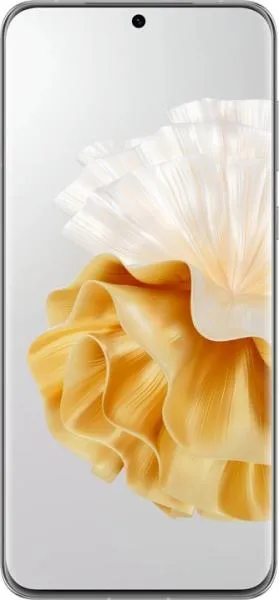
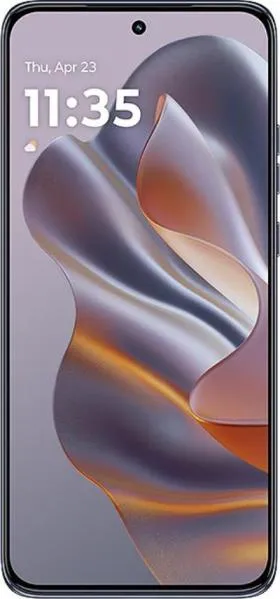
1. Specifications Comparison
| Feature | Huawei P60 Pro | Motorola Edge 50 Neo | Practical Impact |
|---|---|---|---|
| Design | |||
| Dimensions (mm) | 161 x 74.5 x 8.3 | 154.1 x 71.2 x 8.1 | P60 Pro slightly taller and wider, both slim. Negligible difference in daily use. |
| Weight (g) | 200 | 171 | Edge 50 Neo noticeably lighter, reducing hand fatigue during extended use. |
| Build | Unspecified | Unspecified | Build quality and materials unknown, impacting durability and premium feel. |
| Display | |||
| Display Type | LTPO OLED | LTPO P-OLED | Both offer excellent color accuracy and power efficiency due to LTPO. P-OLED might offer slightly better blacks. |
| Size (inches) | 6.67 | 6.4 | P60 Pro offers a larger display for more immersive content consumption. |
| Resolution | 1220 x 2700 | 1256 x 2760 | Similar sharpness; Edge 50 Neo slightly higher pixel density due to smaller size. |
| Refresh Rate (Hz) | 120 | 120 | Both offer smooth scrolling and animations. |
| HDR | No Dolby Vision, HDR10/10+ unspecified | HDR10+ | Edge 50 Neo confirms HDR10+ support for enhanced video dynamic range. Missing HDR info on P60 Pro limits comparison. |
| Performance | |||
| Chipset | Snapdragon 8+ Gen 1 4G | Dimensity 7300 | P60 Pro's chip likely offers significantly better performance, though lacking 5G might be a drawback. |
| CPU | Octa-core (1x3.19 GHz X2 & 3x2.75 GHz A710 & 4x2.0 GHz A510) | Octa-core (4x2.5 GHz A78 & 4x2.0 GHz A55) | P60 Pro's CPU configuration suggests superior processing power, especially in demanding tasks. |
| GPU | Adreno 730 | Mali-G615 MC2 | Adreno 730 generally considered more powerful, resulting in smoother gaming and graphics rendering on the P60 Pro. |
| RAM | 8GB | 8/12GB | Both offer sufficient RAM for multitasking; Edge 50 Neo offers a 12GB option for even more headroom. |
| OS | Unspecified | Android 14 | Lack of OS details for P60 Pro hinders comparison regarding software features and updates. |
| Camera | |||
| Main Camera | 48MP, f/1.4 | 50MP, f/1.8 | P60 Pro boasts a wider aperture for better low-light performance, despite lower resolution. |
| Telephoto | 48MP, f/2.1, 3.5x optical zoom | 10MP, f/2.0, 3x optical zoom | P60 Pro likely offers superior telephoto quality due to higher resolution sensor. |
| Ultrawide | 13MP, f/2.2 | 13MP, f/2.2 | Comparable ultrawide specifications. |
| Video | Up to 4K@60fps with EIS | Up to 4K@30fps with EIS | P60 Pro capable of higher resolution video recording. |
| DxOMark | 156 | 115 | P60 Pro scores significantly higher, indicating superior overall camera quality. |
| Battery | |||
| Capacity (mAh) | 4815 | 4310 | P60 Pro has larger battery capacity, potentially leading to longer battery life. |
| Charging | 88W wired, 50W wireless | 68W wired, 15W wireless | P60 Pro offers significantly faster wired and wireless charging. |
2. Key Differences Analysis
Huawei P60 Pro Advantages:
- Superior Performance: More powerful processor and GPU for demanding tasks and gaming.
- Better Camera System: Higher DxOMark score, wider aperture main lens, and higher resolution telephoto lens.
- Faster Charging: Significantly faster wired and wireless charging speeds.
- Larger Battery: Potential for longer battery life.
Motorola Edge 50 Neo Advantages:
- Lighter and More Compact: Easier to handle and carry.
- Confirmed 5G Connectivity: Future-proof networking.
- Lower Price: Offers good value for its features.
- More Recent OS: Android 14 out-of-the-box.
Trade-offs:
- P60 Pro: Lack of 5G, potentially higher price, missing OS details.
- Edge 50 Neo: Less powerful performance, slower charging, smaller battery.
3. User Profiles & Recommendations
Huawei P60 Pro: Ideal for users prioritizing performance, camera quality, and fast charging. Suitable for demanding tasks, mobile gaming, and photography enthusiasts.
Motorola Edge 50 Neo: Ideal for budget-conscious users who need a reliable phone with 5G connectivity. Suitable for everyday tasks, social media, and light gaming.
4. Decision Framework
Key Questions for Buyers:
- Is 5G connectivity essential? If yes, the Motorola Edge 50 Neo is the only option.
- What is your budget? The Edge 50 Neo offers significantly better value if price is a major concern.
- What are your primary use cases? For demanding tasks and photography, the P60 Pro excels. For general use and 5G, the Edge 50 Neo is sufficient.
Scenario-Based Recommendations:
- Heavy user, photographer, gamer: Huawei P60 Pro
- Budget-conscious user, needs 5G: Motorola Edge 50 Neo
- Balanced user, prioritizing value: Motorola Edge 50 Neo
My Choice: Huawei P60 Pro
While the lack of 5G in the P60 Pro is a significant drawback, I would choose the Huawei P60 Pro. My priorities are performance, camera quality, and a premium experience. The P60 Pro's significantly more powerful processor, superior camera system according to DxOMark, faster charging, and larger battery outweigh the benefits of 5G and the lower price of the Edge 50 Neo for my personal use. I often use my phone for demanding tasks, photography, and occasional gaming, making the P60 Pro a better fit. I acknowledge the risk associated with the lack of clear information on the operating system and potential limitations due to lack of 5G, but I am willing to accept those for the superior performance and camera capabilities. If 5G were absolutely essential, my decision would likely change.
