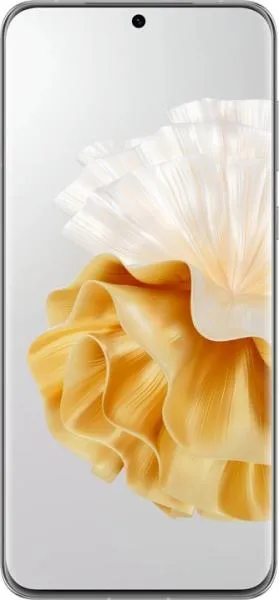
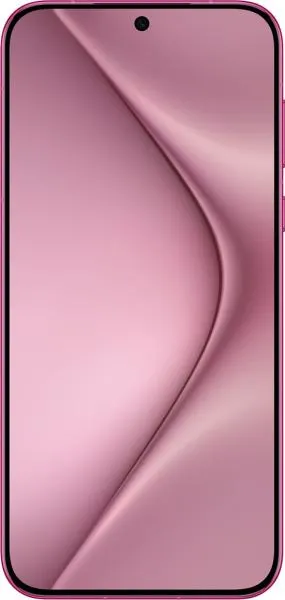
1. Specifications Comparison
| Feature | Huawei P60 Pro | Huawei Pura 70 | Practical Impact |
|---|---|---|---|
| Design | |||
| Dimensions (mm) | 161 x 74.5 x 8.3 | 157.6 x 74.3 x 8 | P60 Pro slightly taller and wider, Pura 70 marginally thinner. Negligible difference in hand feel. |
| Weight (g) | 200 | 207 | Virtually identical weight; no noticeable difference in daily use. |
| Display | |||
| Size (inches) | 6.67 | 6.6 | Negligible difference in screen real estate. |
| Resolution (px) | 1220 x 2700 | 1256 x 2760 | Both offer sharp, high-resolution displays. Pura 70 slightly higher pixel density (460 vs 444 ppi), but the difference is imperceptible. |
| Type | LTPO OLED | LTPO OLED | Both utilize power-efficient LTPO OLED technology with vibrant colors and deep blacks. |
| Refresh Rate (Hz) | 120 | 120 | Both offer smooth scrolling and animations thanks to the 120Hz refresh rate. |
| Peak Brightness (nits) | Not specified | 2500 | Pura 70's significantly higher peak brightness ensures better visibility in direct sunlight. Missing P60 Pro data limits full comparison. |
| Performance | |||
| Chipset | Snapdragon 8+ Gen 1 4G (4 nm) | Kirin 9000S1 | P60 Pro utilizes a well-established, powerful Snapdragon chip, while Pura 70 uses a newer Kirin chip. Performance comparison requires benchmark data. Missing specific CPU details for Pura 70 limits analysis. |
| CPU | Octa-core (Detailed specs provided) | Octa-core (Details not provided) | P60 Pro's CPU details allow for a deeper understanding of its performance capabilities. Missing details for Pura 70 prevent a complete comparison. |
| GPU | Adreno 730 | Maleoon 910 | Adreno 730 is a proven, high-performance GPU. Performance comparison with Maleoon 910 requires benchmark data. |
| RAM (GB) | 8/12 | 12 | Pura 70 offers more RAM in its base configuration, potentially benefiting multitasking and demanding applications. |
| Camera | |||
| Main Camera (MP) | 48 | 50 | Pura 70 boasts slightly higher resolution on the main sensor. Image quality depends on various factors beyond resolution. |
| Telephoto (MP) | 48 | 12 | P60 Pro boasts significantly higher resolution telephoto, likely enabling better zoom capabilities. |
| Aperture (Main) | f/1.4 | f/1.4 | Both offer wide apertures for excellent low-light performance. |
| Battery | |||
| Capacity (mAh) | 4815 | 4900 | Pura 70 has a slightly larger battery capacity, potentially offering longer usage time. Real-world battery life depends on various factors. |
| Fast Charging (W) | 88 | 65 | P60 Pro offers significantly faster wired charging. |
2. Key Differences Analysis
Huawei P60 Pro Advantages:
- Faster Charging: Significantly faster wired charging (88W vs 65W).
- Higher Resolution Telephoto: Likely superior zoom capabilities.
- Established Chipset: Snapdragon 8+ Gen 1's performance is well-documented.
Huawei Pura 70 Advantages:
- Brighter Display: Superior outdoor visibility with 2500 nits peak brightness.
- Larger Battery: Potentially longer battery life.
- More RAM: Potentially better multitasking performance.
- Lower Price: Positioned in the "medium price" range compared to P60 Pro's "high price" range.
3. User Profiles & Recommendations
Huawei P60 Pro: Users who prioritize fast charging, excellent zoom capabilities, and a reliable processor. Ideal for photography enthusiasts and those who need a quick top-up.
Huawei Pura 70: Users who prioritize a bright display, long battery life, and value for money. Ideal for media consumption, extended use without charging, and budget-conscious buyers.
4. Decision Framework
Key Questions:
- What is your budget? The P60 Pro is significantly more expensive.
- What are your photography needs? The P60 Pro likely offers superior zoom capabilities.
- How important is battery life and charging speed? Pura 70 offers a slightly larger battery but slower charging, while P60 Pro charges significantly faster.
My Choice: Huawei P60 Pro
While the Pura 70 offers a compelling package with its bright display and potentially longer battery life, I would choose the Huawei P60 Pro. The significantly faster charging, higher resolution telephoto lens for better zoom, and the well-documented performance of the Snapdragon 8+ Gen 1 are crucial factors for me. I prioritize a reliable, powerful device with quick charging capabilities and strong camera performance, even if it comes at a higher price. The lack of detailed CPU information and benchmark data for the Pura 70's Kirin chip make it difficult to confidently assess its performance compared to the established Snapdragon chip in the P60 Pro. Additionally, the superior zoom capabilities offered by the P60 Pro's telephoto lens outweigh the slight benefit of a larger battery in the Pura 70.
