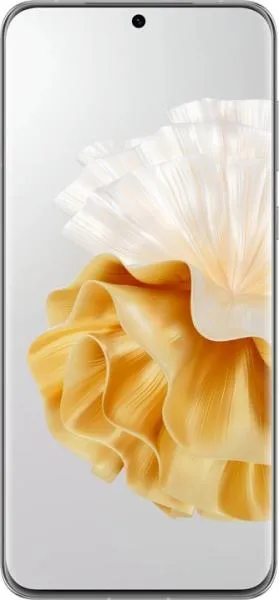
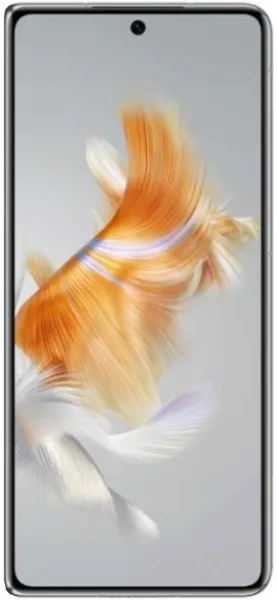
1. Specifications Comparison
| Feature | Huawei P60 Pro | Huawei Mate X3 | Practical Impact | |
|---|---|---|---|---|
| Design | ||||
| Dimensions (mm) | 161 x 74.5 x 8.3 | 156.9 x 141.5 x 5.3 (Unfolded) 156.9 x 72.4 x 11.1 (Folded) | Mate X3 significantly larger unfolded, but more compact when folded. P60 Pro more pocketable in traditional sense. Mate X3's foldability offers versatility but introduces potential durability concerns. | |
| Weight (g) | 200 | 239 | P60 Pro noticeably lighter, reducing hand fatigue during extended use. Mate X3's weight is understandable given its foldable design. | |
| Foldable | No | Yes | Mate X3 offers a larger screen real estate and unique multitasking capabilities due to its foldable design. P60 Pro offers a more traditional smartphone experience. | |
| Display | ||||
| Size (inches) | 6.67 | 7.85 (Unfolded) 6.4 (Folded) | Mate X3 provides a significantly larger screen area when unfolded, enhancing media consumption and productivity. Folded, it's comparable to the P60 Pro. | |
| Resolution (px) | 1220 x 2700 | 2224 x 2496 (Unfolded) 1080 x 2504 (Folded) | Both offer high resolutions for sharp visuals. Mate X3's unfolded screen provides more detail due to higher resolution and larger size. | |
| Type | LTPO OLED | OLED | Both use OLED technology for vibrant colors and deep blacks. LTPO on the P60 Pro allows for dynamic refresh rate adjustment, potentially saving battery. | |
| Refresh Rate (Hz) | 120 | 120 | Both offer smooth scrolling and animations. | |
| Performance | ||||
| Chipset | Snapdragon 8+ Gen 1 4G | Snapdragon 8+ Gen 1 4G | Identical chipsets should result in similar performance. Real-world performance may vary slightly due to software optimization and thermal management differences in foldable vs traditional design. | |
| CPU | Octa-core | Octa-core | Same CPU architecture indicates comparable processing power. | |
| GPU | Adreno 730 | Adreno 730 | Same GPU suggests similar graphics performance. | |
| RAM (GB) | 8/12 | 8/12 | Both offer ample RAM for multitasking. 8GB is sufficient for most users, but 12GB provides headroom for demanding tasks and future-proofing. | |
| Camera | ||||
| Main Camera (MP) | 48 (Sony IMX888) | 50 (Sony IMX766) | P60 Pro utilizes a larger sensor known for excellent low-light performance. Mate X3's sensor is also capable, but specific image quality comparisons require real-world testing. | |
| Telephoto (MP) | 48 | 16 | P60 Pro boasts a significantly higher resolution telephoto lens, enabling superior zoom capabilities. | |
| Battery | ||||
| Capacity (mAh) | 4815 | 4800 | Negligible difference in battery capacity. Real-world battery life will depend heavily on usage patterns and software optimization, especially for the Mate X3 with its larger screen. |
2. Key Differences Analysis
Huawei P60 Pro Advantages:
- Superior Camera System: Notably better main and telephoto camera hardware, potentially resulting in higher quality images, especially in low light and at high zoom levels.
- Lighter and More Pocketable: Easier to carry and use for extended periods.
- LTPO Display: More power efficient due to dynamic refresh rate.
Huawei Mate X3 Advantages:
- Foldable Design: Offers a larger screen for enhanced productivity and media consumption, along with unique multitasking possibilities.
- DisplayPort Support: Enables direct connection to external displays for presentations or desktop-like experiences. (Practical impact depends on individual usage)
3. User Profiles & Recommendations
Huawei P60 Pro: Ideal for users prioritizing camera quality, a traditional smartphone form factor, and pocketability. Excellent for photography enthusiasts, everyday users, and those seeking a premium device without the complexities of a foldable.
Huawei Mate X3: Best suited for users who value a large screen for productivity and media consumption and appreciate the unique functionalities of a foldable device. Ideal for multitaskers, content creators, and those seeking a cutting-edge mobile experience.
4. Decision Framework
Key Questions for Buyers:
- How important is camera quality? If photography is a top priority, the P60 Pro's superior camera hardware makes it the clear winner.
- Do you need a foldable device? If a larger screen and the flexibility of a foldable design are essential, the Mate X3 is the better choice. Consider if the added bulk and potential durability concerns are acceptable trade-offs.
- What is your budget? The Mate X3 is significantly more expensive. Determine if the foldable form factor justifies the premium price.
My Choice: Huawei P60 Pro
While the Mate X3's foldable design is intriguing, the P60 Pro better suits my needs. I prioritize a top-tier camera, a lightweight and pocketable design, and excellent battery life. The P60 Pro's superior camera hardware, specifically the larger main sensor and higher-resolution telephoto lens, is a significant deciding factor. I'm also not fully convinced about the long-term durability of foldable phones and prefer the more established form factor. The potential battery savings from the LTPO display are also a plus. Ultimately, the P60 Pro offers a compelling combination of performance, camera capabilities, and practicality in a more traditional, reliable package.
