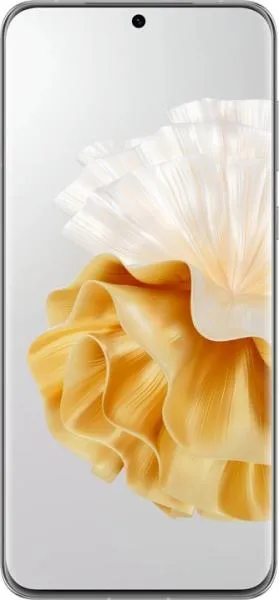
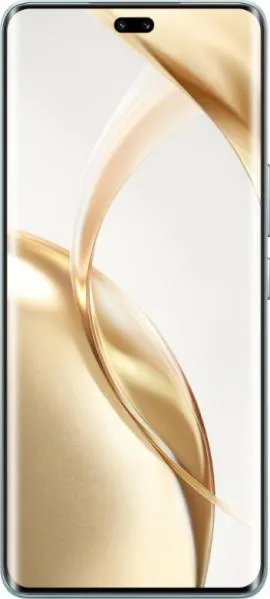
1. Specifications Comparison
| Feature | Huawei P60 Pro | Honor 200 Pro | Practical Impact |
|---|---|---|---|
| Design | |||
| Dimensions (mm) | 161 x 74.5 x 8.3 | 163.3 x 75.2 x 8.2 | Honor 200 Pro is slightly larger and taller. Negligible difference in daily use. |
| Weight (g) | 200 | 199 | Virtually identical weight; no noticeable difference in hand. |
| Display | |||
| Size (inches) | 6.67 | 6.78 | Honor 200 Pro offers a slightly larger screen for more immersive media consumption. |
| Resolution (px) | 1220 x 2700 | 1224 x 2700 | Nearly identical resolution; sharpness will be indistinguishable. |
| Type | LTPO OLED | OLED | P60 Pro's LTPO panel allows for dynamic refresh rate adjustment, potentially saving battery. |
| Refresh Rate (Hz) | 120 | 120 | Both offer smooth scrolling and animations. |
| Peak Brightness (nits) | Not specified | 4000 | Honor 200 Pro's higher peak brightness improves outdoor visibility. |
| Performance | |||
| Chipset | Snapdragon 8+ Gen 1 4G | Snapdragon 8s Gen 3 | Honor has a newer, potentially slightly faster processor, but the P60 Pro's is no slouch. |
| CPU | Octa-core (up to 3.19 GHz) | Octa-core (up to 3.0 GHz) | Both offer high-end performance; differences will be minor in typical tasks. |
| GPU | Adreno 730 | Adreno 735 | Honor boasts a slightly newer GPU potentially offering minor gaming advantages. |
| RAM (GB) | 8/12 | 12/16 | Honor offers higher RAM configurations for better multitasking, especially beneficial for power users. |
| OS | Not specified | Android 14 | Lack of OS information for the P60 Pro hinders comparison, potentially affecting app availability and updates. |
| Camera | |||
| Main Camera (MP) | 48 | 50 | Both offer high resolution; image quality depends on sensor and processing more than megapixels. |
| Telephoto Lens | Yes (48MP) | Yes (50MP, OIS) | Both have high-resolution telephoto lenses, but Honor's OIS potentially offers sharper zoomed images. |
| Ultrawide Lens | 13MP | 12MP | Minor difference in resolution, practical impact depends on lens quality and software processing. |
| Battery | |||
| Capacity (mAh) | 4815 | 5200 | Honor 200 Pro offers a larger battery, likely translating to longer battery life. |
| Fast Charging (W) | 88 | 100 | Honor 200 Pro charges faster. |
2. Key Differences Analysis
Huawei P60 Pro Advantages:
- LTPO Display: More power efficient.
- DxOMark validated camera performance: Indicates a strong camera system (though scores should be taken with a grain of salt).
- Potentially more compact: May be preferable for one-handed use (depending on individual preference).
Honor 200 Pro Advantages:
- Newer Chipset and GPU: Potentially offers slightly improved performance in demanding tasks and gaming.
- Larger Battery: Likely translates to longer usage time.
- Faster Charging: Reduces downtime.
- Higher RAM Configurations: Enables smoother multitasking.
- Confirmed OS and Updates: Android 14 ensures access to the latest features and security updates.
- Lower Price: Offers better value for money.
3. User Profiles & Recommendations
Huawei P60 Pro: Users prioritizing camera quality, a potentially more compact size, and power efficiency. Photography enthusiasts might lean towards this phone given the DxOMark score, assuming the lack of specific OS details is not a deal-breaker.
Honor 200 Pro: Users prioritizing performance, battery life, a larger screen, future-proof software (confirmed OS updates), and value for money. This phone suits users who engage in heavy multitasking, gaming, and media consumption.
4. Decision Framework
Key Questions:
- How important is confirmed OS support and updates? The lack of OS information for P60 Pro is a significant concern.
- What is your budget? Honor offers better value.
- What are your primary use cases? (Photography, Gaming, General Use)
Scenario-based recommendations:
- Photography enthusiast on a budget: Huawei P60 Pro (if OS concerns are addressed)
- Power user prioritizing performance and longevity: Honor 200 Pro
- Average user seeking a balance of features and value: Honor 200 Pro
My Choice: Honor 200 Pro
The Honor 200 Pro is my choice due to the confirmed newer chipset, larger battery, faster charging, higher RAM configurations, and significantly lower price. The lack of clear OS information for the P60 Pro is a major drawback, making long-term usability uncertain. While the P60 Pro boasts a potentially superior camera based on DxOMark, the Honor 200 Pro still offers a compelling camera setup. Overall, the Honor 200 Pro presents a more well-rounded package with significantly better value. The newer hardware, larger battery, and guaranteed software updates outweigh the potential camera advantages of the P60 Pro, especially considering the price difference. The lack of 5G in the P60 Pro is also a significant disadvantage in a rapidly evolving mobile landscape.
