1. Specifications Comparison
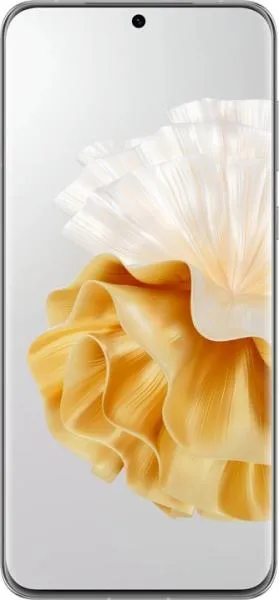
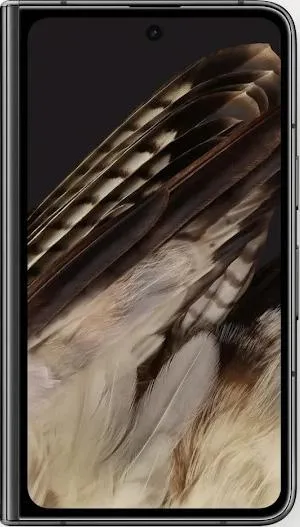
| Feature | Huawei P60 Pro | Google Pixel Fold | Practical Impact |
|---|---|---|---|
| Design | |||
| Dimensions (mm) | 161 x 74.5 x 8.3 | 139.7 x 158.7 x 5.8 (Folded) 139.7 x 79.5 x 12.1 (Unfolded) | Pixel Fold significantly wider when unfolded, P60 Pro thinner and potentially more pocketable. |
| Weight (g) | 200 | 283 | Pixel Fold noticeably heavier due to folding mechanism. |
| Foldable | No | Yes | Pixel Fold offers larger screen real estate and unique form factor. |
| Display | |||
| Display Type | LTPO OLED | Foldable OLED | P60 Pro likely offers better power efficiency with LTPO. |
| Size (inches) | 6.67 | 5.8 (Outer), 7.6 (Inner) | Pixel Fold offers a larger main display for media consumption and multitasking when unfolded. |
| Resolution (px) | 1220 x 2700 | 1080 x 2092 (Outer), 1840 x 2208 (Inner) | Pixel Fold's inner display has a higher resolution, providing a sharper image. |
| Refresh Rate (Hz) | 120 | 120 | Both offer smooth scrolling and animations. |
| PPI | 444 | 408 (Outer), 380 (Inner) | P60 Pro's outer display is slightly sharper than Pixel Fold's outer display. |
| Performance | |||
| Chipset | Snapdragon 8+ Gen 1 4G (4 nm) | Google Tensor G2 (5 nm) | Snapdragon 8+ Gen 1 generally offers higher benchmark performance. Tensor G2 prioritized for AI and machine learning tasks. |
| CPU | Octa-core (1x3.19 GHz Cortex-X2 & 3x2.75 GHz Cortex-A710 & 4x2.0 GHz Cortex-A510) | Octa-core (2x2.85 GHz Cortex-X1 & 2x2.35 GHz Cortex-A78 & 4x1.80 GHz Cortex-A55) | P60 Pro likely has a performance advantage in demanding tasks. |
| GPU | Adreno 730 | Mali-G710 MP7 | Adreno 730 generally offers stronger gaming performance. |
| RAM (GB) | 8/12 | 12 | Both offer ample RAM for multitasking, though Pixel Fold configuration offers more. |
| Camera | |||
| Main Camera (MP) | 48 | 48 | Comparable resolution, but sensor and image processing will determine real-world performance. |
| Telephoto (MP) | 48 | 10.8 | P60 Pro boasts a significantly higher resolution telephoto lens. |
| DXOMARK Score | 156 | 133 | P60 Pro scores significantly higher, suggesting superior overall camera quality. |
| Battery | |||
| Capacity (mAh) | 4815 | 4821 | Nearly identical battery capacities. Real-world battery life will depend on usage and software optimization. |
| Fast Charging (W) | 88 | 30 | P60 Pro offers significantly faster charging. |
2. Key Differences Analysis
Huawei P60 Pro Advantages:
- Superior Camera System: Higher DXOMARK score and a higher resolution telephoto lens suggest better overall image quality and zoom capabilities.
- Faster Charging: Significantly faster wired charging speeds.
- Lighter and Thinner: More pocketable and comfortable for one-handed use.
- Potentially Better Power Efficiency: LTPO display technology can dynamically adjust refresh rate, saving battery.
Google Pixel Fold Advantages:
- Foldable Design: Larger inner display for multitasking and media consumption. Unique form factor.
- More RAM in Configuration: 12GB RAM ensures smooth performance even with heavy multitasking.
- 5G Connectivity: Offers faster data speeds and improved network connectivity compared to P60 Pro's 4G.
- Stock Android Experience: Clean software with timely updates directly from Google.
3. User Profiles & Recommendations
Huawei P60 Pro: Ideal for users prioritizing camera quality, a sleek and pocketable design, and fast charging. Excellent for photography enthusiasts, social media users, and those who value a premium, traditional smartphone experience.
Google Pixel Fold: Best suited for users who value a large screen for productivity and media consumption, appreciate the novelty of a foldable phone, and prioritize a clean Android experience with guaranteed updates. Ideal for multitaskers, content creators, and those seeking cutting-edge technology.
4. Decision Framework
Key Questions for Buyers:
- How important is camera quality? If photography is a top priority, the P60 Pro is the clear winner.
- Do you need a foldable phone? Consider whether the larger screen and unique form factor of the Pixel Fold outweigh the added bulk and potential durability concerns.
- What is your budget? The P60 Pro is positioned in the "high price" range, while the Pixel Fold is in the "medium price" range.
Scenario-Based Recommendations:
- Photography Enthusiast: Huawei P60 Pro
- Business Professional: Google Pixel Fold (for multitasking and large screen)
- Casual User: Depends on budget and preference for foldable design vs. traditional smartphone.
My Choice: Google Pixel Fold
While the Huawei P60 Pro boasts a superior camera system and faster charging, I would choose the Google Pixel Fold. The foldable form factor is a game-changer for productivity and media consumption. The larger inner display provides a tablet-like experience, making multitasking and content viewing significantly more enjoyable. Access to 5G connectivity is also crucial for future-proofing. While the Tensor G2 might not benchmark as high as the Snapdragon 8+ Gen 1, it's optimized for AI tasks and the overall user experience should be smooth thanks to the ample 12GB RAM. Finally, the clean Android experience with guaranteed updates is a major advantage. The trade-offs in camera quality and charging speed are acceptable considering the significant benefits offered by the foldable design and software experience.
