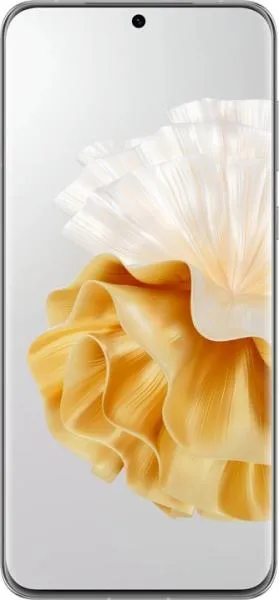
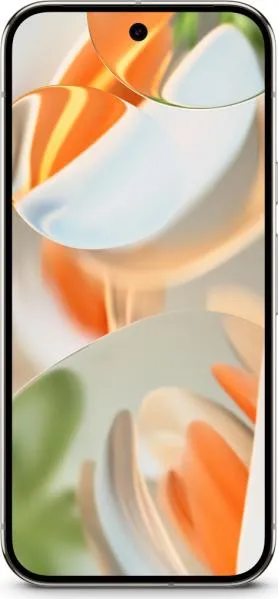
1. Specifications Comparison
| Feature | Huawei P60 Pro | Google Pixel 9 Pro | Practical Impact |
|---|---|---|---|
| Design | |||
| Dimensions (mm) | 161 x 74.5 x 8.3 | 152.8 x 72 x 8.5 | Pixel 9 Pro is slightly smaller and may be more comfortable for one-handed use. |
| Weight (g) | 200 | 199 | Negligible weight difference. |
| Build Materials | Not specified | Not specified | Cannot compare build quality and durability. |
| Display | |||
| Display Type | LTPO OLED | LTPO OLED | Both offer excellent color accuracy, contrast, and power efficiency. |
| Size (inches) | 6.67 | 6.3 | P60 Pro offers a larger screen for more immersive media consumption. |
| Resolution | 1220 x 2700 | 1280 x 2856 | Pixel 9 Pro has a slightly higher pixel density (495 ppi vs 444 ppi), resulting in sharper text and images. |
| Refresh Rate | 120Hz | 120Hz | Both offer smooth scrolling and animations. |
| HDR | No Dolby Vision, HDR10/10+ not specified | HDR10+, HDR10 | Pixel 9 Pro supports HDR10+, offering a wider dynamic range in supported content. |
| Peak Brightness | Not specified | 3000 nits | Pixel 9 Pro's higher peak brightness ensures better visibility in direct sunlight. |
| Performance | |||
| Chipset | Snapdragon 8+ Gen 1 4G | Google Tensor G4 | Tensor G4 is newer but benchmarks are needed for accurate performance comparison. |
| CPU | Octa-core (1x3.19 GHz X2 & 3x2.75 GHz A710 & 4x2.0 GHz A510) | Octa-core (1x3.1 GHz X4 & 3x2.6 GHz A720 & 4x1.92 GHz A520) | Tensor G4's newer architecture might offer efficiency and AI processing advantages, but real-world performance depends on optimization. |
| GPU | Adreno 730 | Mali-G715 MC7 | Adreno 730 generally offers strong gaming performance. Mali-G715 performance is less established in flagship devices. |
| RAM | 8GB/12GB | 16GB | Pixel 9 Pro's significantly larger RAM allows for better multitasking and app retention. |
| OS | Not specified | Android 14 (upgradable to Android 21) | Pixel offers the latest Android version with guaranteed long-term updates. Huawei's OS and update situation is unclear. |
| Camera | |||
| Main Camera | 48MP, f/1.4 | 50MP, f/1.69 | Both offer high-resolution sensors; Pixel's wider aperture potentially captures more light. |
| Telephoto | 48MP, f/2.1 | 48MP, f/2.8 | Both have high-resolution telephoto; P60 Pro's wider aperture might offer better low-light performance in zoomed shots. |
| Ultrawide | 13MP, f/2.2 | 48MP, f/1.7 | Pixel 9 Pro boasts a significantly higher resolution and wider aperture ultrawide, enabling superior detail and low-light performance. |
| Video | Up to 4K@60fps with EIS | Up to 8K@30fps with HDR, OIS, EIS | Pixel 9 Pro offers higher resolution video recording and HDR capabilities. |
| Battery | |||
| Capacity | 4815 mAh | 4700 mAh | Very similar battery capacities. Real-world battery life depends on optimization and usage. |
| Charging | 88W Wired, 50W Wireless | 27W Wired, 21W Wireless | P60 Pro offers significantly faster wired and wireless charging. |
2. Key Differences Analysis
Huawei P60 Pro Advantages:
- Faster Charging: Significantly faster wired and wireless charging speeds.
- Larger Display: More immersive experience for media consumption.
- Potentially Better Telephoto Low Light: Wider aperture on the telephoto lens.
Google Pixel 9 Pro Advantages:
- Guaranteed Software Updates: Long-term OS and security updates ensure a longer device lifespan.
- Larger RAM: Superior multitasking and app performance.
- Higher Resolution Display: Sharper visuals.
- Superior Ultrawide Camera: Significantly higher resolution and wider aperture for better detail and low-light performance.
- 8K Video Recording: Future-proof video capabilities.
- Brighter Display: Better outdoor visibility.
- 5G Connectivity: Faster data speeds and improved network connectivity compared to P60 Pro's 4G.
Trade-offs:
- P60 Pro's faster charging comes at the potential cost of long-term battery health.
- Pixel 9 Pro's superior software experience might be offset by the lack of certain Google services availability depending on the region due to Huawei's situation.
3. User Profiles & Recommendations
Huawei P60 Pro: Users prioritizing fast charging and a larger display for media consumption. Photography enthusiasts who utilize the telephoto lens frequently.
Google Pixel 9 Pro: Users who value software updates, long-term support, and a smooth Android experience. Those who prioritize camera quality, especially ultrawide performance and video recording capabilities. Users who need 5G connectivity.
4. Decision Framework
Key Questions:
- How important is long-term software support and a pure Android experience?
- Is camera quality a top priority, particularly ultrawide and video recording?
- How much do you value fast charging versus potentially faster performance and 5G connectivity?
Scenario-Based Recommendations:
- Photographer: Pixel 9 Pro for its versatile camera system.
- Power User: Pixel 9 Pro for its large RAM and long-term software support.
- Media Consumer: P60 Pro for its larger display.
- User in a strong 5G area: Pixel 9 Pro for its 5G capabilities.
My Choice: Google Pixel 9 Pro
While the Huawei P60 Pro offers a larger display and faster charging, the Pixel 9 Pro's comprehensive advantages in software, performance, camera, and connectivity make it the more compelling choice for me. The guaranteed long-term software updates, larger RAM, and superior camera system, especially the ultrawide lens and 8K video recording, outweigh the benefits of the P60 Pro. Additionally, the Pixel's 5G capability is crucial for future-proofing. While the P60 Pro's faster charging is appealing, I prioritize the overall user experience and longevity offered by the Pixel 9 Pro. The lack of clear information regarding the P60 Pro's operating system and potential lack of Google services is also a significant concern.
