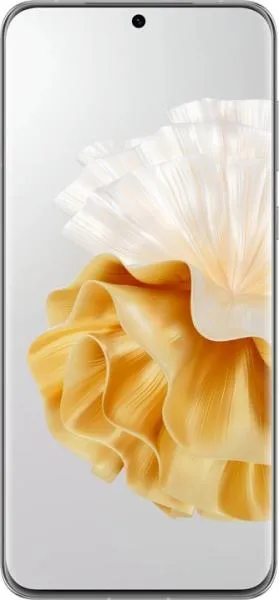
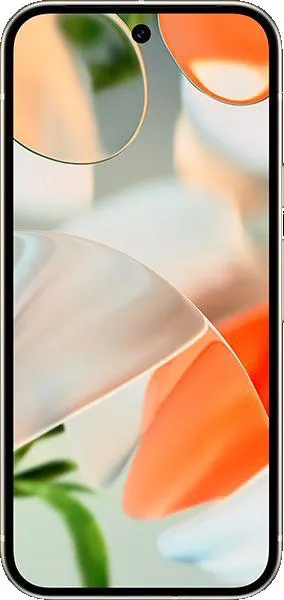
1. Specifications Comparison
| Feature | Huawei P60 Pro | Google Pixel 9 | Practical Impact |
|---|---|---|---|
| Design | |||
| Dimensions (mm) | 161 x 74.5 x 8.3 | 152.8 x 72 x 8.5 | Pixel 9 is slightly smaller and more compact. |
| Weight (g) | 200 | 198 | Negligible weight difference. |
| Display | |||
| Size (inches) | 6.67 | 6.3 | P60 Pro offers a larger screen for more immersive content consumption. |
| Resolution (px) | 1220 x 2700 | 1080 x 2424 | P60 Pro has a sharper display (444 ppi vs 422 ppi). |
| Display Type | LTPO OLED | OLED | P60 Pro's LTPO OLED allows for dynamic refresh rate adjustments, potentially saving battery. Pixel 9's HDR10+ support results in better dynamic range and brighter highlights in supported content. |
| Refresh Rate (Hz) | 120 | 120 | Both offer smooth scrolling and animations. |
| Performance | |||
| Chipset | Snapdragon 8+ Gen 1 4G | Google Tensor G4 | Tensor G4 is newer but focused on AI and machine learning, while Snapdragon 8+ Gen 1 generally offers better raw performance. |
| CPU | Octa-core (Cortex-X2, A710, A510) | Octa-core (Cortex-X4, A720, A520) | Pixel 9 has a more modern CPU architecture, potentially offering better efficiency and performance in certain tasks. |
| RAM (GB) | 8/12 | 12 | Pixel 9 offers more RAM in the compared variant, enabling better multitasking and app performance. |
| Camera | |||
| Main Camera (MP) | 48 | 50 | Pixel 9 has a slightly higher resolution main sensor. |
| Ultrawide (MP) | 13 | 48 | Pixel 9 boasts a significantly higher resolution ultrawide camera. |
| Telephoto (MP) | 48 | N/A | P60 Pro offers a dedicated telephoto lens for optical zoom, which Pixel 9 lacks. |
| DxOMark Score | 156 | 154 | P60 Pro has a slightly higher overall DxOMark score, but Pixel 9 has a higher photo score. Real-world image quality can vary. |
| Battery | |||
| Capacity (mAh) | 4815 | 4700 | P60 Pro has a slightly larger battery capacity. |
| Fast Charging (W) | 88 | 27 | P60 Pro offers significantly faster wired charging. |
| Wireless Charging (W) | 50 | 15 | P60 Pro supports faster wireless charging. |
2. Key Differences Analysis
Huawei P60 Pro Advantages:
- Superior Display and Charging: Sharper display with LTPO technology for better battery efficiency. Significantly faster wired and wireless charging.
- Dedicated Telephoto Lens: Offers optical zoom capabilities for better image quality at longer distances.
- Slightly Larger Battery: Potentially longer battery life.
Google Pixel 9 Advantages:
- More Modern CPU Architecture & RAM: Potentially leading to better long-term performance and efficiency.
- Higher Resolution Ultrawide Camera: Significantly better ultrawide photos and videos.
- 5G Connectivity: Faster data speeds and access to the latest cellular network technology. P60 Pro is limited to 4G.
- Lower Price: Offers a better price-to-performance ratio in the given configurations.
- Longer Software Support: Pixel phones generally receive longer OS and security updates compared to Huawei devices.
Trade-offs:
- P60 Pro sacrifices 5G connectivity and a high-resolution ultrawide for a telephoto lens and faster charging.
- Pixel 9 lacks a dedicated telephoto lens and fast charging speeds for a lower price and a more modern processor.
3. User Profiles & Recommendations
Huawei P60 Pro: Users who prioritize display quality, battery life, charging speed, and camera versatility (especially zoom). Ideal for photography enthusiasts and power users.
Google Pixel 9: Users who prioritize 5G connectivity, a strong camera system (especially ultrawide), consistent software updates, and value for money. Suitable for general users and those heavily reliant on mobile data.
4. Decision Framework
Key Questions:
- Is 5G connectivity essential? If yes, Pixel 9 is the only option.
- What type of photography do you prioritize? Zoom (P60 Pro) vs. ultrawide (Pixel 9).
- How important is fast charging? P60 Pro offers a substantial advantage in this area.
Scenario-Based Recommendations:
- Heavy data user, needs latest technology: Pixel 9.
- Photographer prioritizing zoom, values fast charging: P60 Pro.
- Budget-conscious user who values a good all-around phone: Pixel 9.
My Choice: Google Pixel 9
While the Huawei P60 Pro excels in display, charging, and telephoto capabilities, the Google Pixel 9's 5G connectivity, modern processor, higher resolution ultrawide camera, guaranteed software updates, and lower price make it the better overall choice for me. I prioritize future-proofing and value, and the Pixel 9 delivers in those areas. The lack of a dedicated telephoto lens is a drawback, but the superior ultrawide lens and overall camera performance of the Pixel, combined with its other advantages, outweigh this for my needs. The significantly faster charging of the Huawei is tempting, but not a deal breaker considering the Pixel's other strengths. Finally, the ongoing uncertainty surrounding Huawei's long-term software support due to geopolitical factors makes the Pixel's guaranteed updates a significant advantage.
