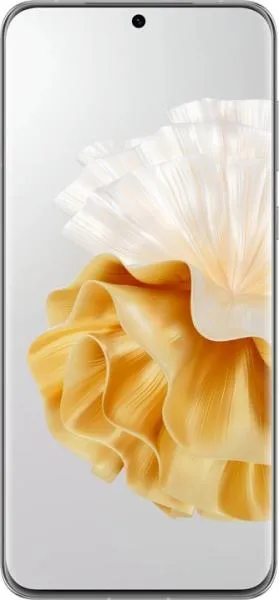
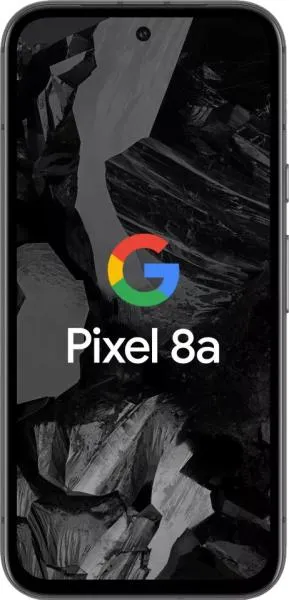
1. Specifications Comparison
| Feature | Huawei P60 Pro | Google Pixel 8a | Practical Impact |
|---|---|---|---|
| Design | |||
| Dimensions (mm) | 161 x 74.5 x 8.3 | 152.1 x 72.7 x 8.9 | P60 Pro is slightly taller and wider, Pixel 8a slightly thicker. Pixel 8a may feel more compact in hand. |
| Weight (g) | 200 | 188 | Negligible weight difference in real-world usage. |
| Display | |||
| Size (inches) | 6.67 | 6.1 | P60 Pro offers a significantly larger screen for more immersive media consumption. |
| Resolution | 1220 x 2700 | 1080 x 2400 | P60 Pro has a sharper display (444 ppi vs 430 ppi), noticeable in text clarity and image detail. |
| Type | LTPO OLED | OLED | Both are OLED offering vibrant colors and deep blacks. P60 Pro's LTPO allows for dynamic refresh rate adjustments, potentially saving battery. |
| Refresh Rate (Hz) | 120 | 120 | Both offer smooth scrolling and animations. |
| Performance | |||
| Chipset | Snapdragon 8+ Gen 1 4G | Google Tensor G3 | While both are powerful, benchmarks suggest Snapdragon 8+ Gen 1 generally offers higher performance in demanding tasks. Tensor G3 excels in AI-powered features. |
| CPU | Octa-core (1x3.19 GHz Cortex-X2 & 3x2.75 GHz Cortex-A710 & 4x2.0 GHz Cortex-A510) | Nona-core (1x3.0 GHz Cortex-X3 & 4x2.45 GHz Cortex-A715 & 4x2.15 GHz Cortex-A510) | P60 Pro's CPU configuration might offer a slight edge in single-core performance, while Tensor G3's design could be more efficient in multi-core tasks. Real-world difference may be minimal for average users. |
| GPU | Adreno 730 | Immortalis-G715s MC10 | Adreno 730 generally provides stronger graphics performance for gaming. Performance of the Immortalis G715 MC10 in the Pixel 8a is unknown as there are no benchmarks available. |
| RAM (GB) | 8/12 | 8 | P60 Pro offers a 12GB RAM option for better multitasking, though 8GB is sufficient for most users. |
| Camera | |||
| Main Camera (MP) | 48 | 64 | Pixel 8a has a higher megapixel count, but image quality depends on various factors including sensor size, processing, and aperture. |
| Telephoto | Yes (48MP, 3.5x optical zoom) | No dedicated telephoto | P60 Pro offers superior zoom capabilities. |
| Ultrawide | Yes (13MP) | Yes (13MP, macro) | Pixel 8a's ultrawide doubles as a macro lens, offering greater versatility. |
| DXOMARK Score | 156 | 136 | P60 Pro scores significantly higher in DXOMARK tests, suggesting potentially better overall image quality. However, DXOMARK scores should be considered alongside real-world image samples and user reviews. |
| Battery | |||
| Capacity (mAh) | 4815 | 4492/4500 * | P60 Pro has a slightly larger battery. Discrepancy in listed battery capacity for Pixel 8a (4492 vs 4500) needs clarification. |
| Fast Charging | 88W | 18W | P60 Pro offers significantly faster charging. |
| Wireless Charging | 50W | Information not provided. | Missing information on Pixel 8a's wireless charging capabilities limits comparison. |
2. Key Differences Analysis
Huawei P60 Pro Advantages:
- Superior Display: Larger, sharper, and utilizes LTPO technology for potential battery savings.
- Faster Performance: Generally more powerful CPU and GPU.
- Better Camera System: Higher DXOMARK score, superior zoom capabilities.
- Faster Charging: Significantly faster wired charging.
- Higher Wireless Charging: 50W wireless charging compared to unknown wattage for the Pixel 8a.
Google Pixel 8a Advantages:
- More Affordable: Positioned in the mid-range price segment.
- 5G Connectivity: Offers 5G, while the P60 Pro is limited to 4G.
- Software Updates: Likely to receive longer software updates and security patches being a Google phone.
- Macro Lens: Ultrawide lens doubles as a macro lens for close-up shots.
Trade-offs:
- P60 Pro: Lack of 5G, potentially higher price.
- Pixel 8a: Less powerful processor, slower charging, no dedicated telephoto lens. Missing information on wireless charging capabilities.
3. User Profiles & Recommendations
Huawei P60 Pro: Users who prioritize display quality, performance, camera capabilities, and fast charging. Ideal for photography enthusiasts, mobile gamers, and heavy multimedia consumers.
Google Pixel 8a: Budget-conscious users who value 5G connectivity, timely software updates, and a clean Android experience. Suitable for everyday tasks, social media, casual photography, and users who prioritize software updates over raw performance.
4. Decision Framework
Key Questions:
- Is 5G connectivity essential? If yes, Pixel 8a is the only option.
- What is your budget? P60 Pro is a high-end device, while Pixel 8a is more affordable.
- What are your primary smartphone usage patterns? Prioritize P60 Pro for demanding tasks and media consumption, Pixel 8a for general use and software longevity.
My Choice: Google Pixel 8a
While the Huawei P60 Pro boasts impressive hardware, the lack of 5G is a dealbreaker for me in a 2023/2024 flagship. 5G's importance for future-proofing and faster data speeds outweighs the P60 Pro's advantages in my usage. Additionally, the Pixel 8a's lower price and guaranteed long-term software updates make it a more compelling option for my needs. I prioritize consistent performance and software updates over peak performance metrics. Although the Pixel 8a has a less powerful processor on paper, the real-world difference is likely to be minimal for my usage, which doesn't include demanding mobile gaming. Finally, the ethical considerations and potential security concerns surrounding Huawei also influence my decision.
