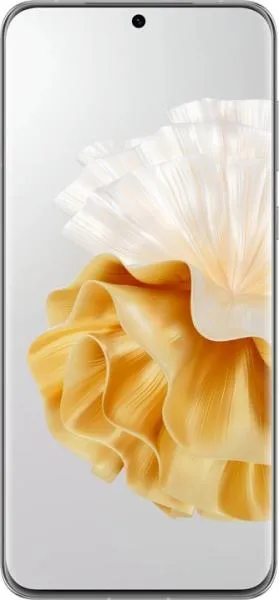
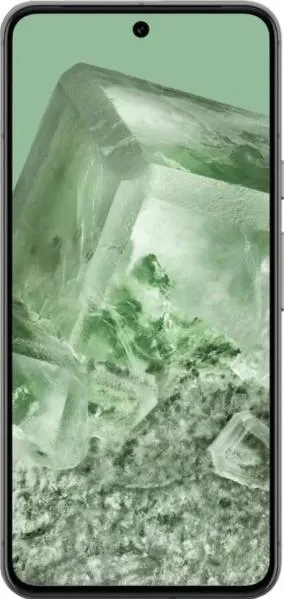
1. Specifications Comparison
| Feature | Huawei P60 Pro | Google Pixel 8 | Practical Impact |
|---|---|---|---|
| Design | |||
| Dimensions (mm) | 161 x 74.5 x 8.3 | 150.5 x 70.8 x 8.9 | Pixel 8 is noticeably smaller and potentially easier to handle one-handed. |
| Weight (g) | 200 | 187 | Pixel 8 is slightly lighter, enhancing portability. |
| Build | Unspecified | Unspecified | Build materials impact durability and premium feel; information lacking here. |
| Display | |||
| Display Type | LTPO OLED | OLED | Both offer excellent contrast and deep blacks; LTPO allows for dynamic refresh rate adjustment on the P60 Pro, saving battery. |
| Display Size (inches) | 6.67 | 6.2 | P60 Pro offers a larger screen for more immersive media consumption. |
| Resolution | 1220 x 2700 | 1080 x 2400 | P60 Pro has a sharper display (444 ppi vs 428 ppi), though the difference might be subtle in everyday use. |
| Refresh Rate (Hz) | 120 | 120 | Both offer smooth scrolling and animations. |
| Peak Brightness (nits) | Unspecified | 2000 | Pixel 8's higher peak brightness ensures better visibility in direct sunlight. |
| Performance | |||
| Chipset | Snapdragon 8+ Gen 1 4G | Google Tensor G3 | Tensor G3 is newer but benchmarks are needed to compare real-world performance. |
| CPU | Octa-core (1x3.19 GHz X2 & 3x2.75 GHz A710 & 4x2.0 GHz A510) | Nona-core (1x3.0 GHz X3 & 4x2.45 GHz A715 & 4x2.15 GHz A510) | CPU architectures differ; practical performance depends on optimization. |
| GPU | Adreno 730 | Immortalis-G715s MC10 | GPU comparison requires benchmarks and gaming tests. |
| RAM (GB) | 8/12 | 8 | P60 Pro offers a 12GB RAM option for potentially better multitasking. |
| Camera | |||
| Main Camera (MP) | 48 | 50 | Megapixels alone don't determine image quality; sensor size, aperture, and processing are crucial. |
| Ultrawide (MP) | 13 | 12 | Similar ultrawide capabilities; real-world performance depends on lens quality and software processing. |
| Telephoto (MP) | 48 | None in base model | P60 Pro offers optical zoom for better long-range photography. |
| Video Recording | Up to 4K@60fps | Up to 4K@60fps | Both capable of high-quality video recording; Pixel's HDR video recording might offer an advantage. |
| Battery | |||
| Capacity (mAh) | 4815 | 4575 | P60 Pro has slightly larger battery capacity, potentially offering longer battery life. |
| Fast Charging (W) | 88 | 27 | P60 Pro offers significantly faster wired charging. |
| Wireless Charging | 50W | Unspecified | P60 Pro offers fast wireless charging. Pixel 8 wireless charging speed is unknown. |
2. Key Differences Analysis
Huawei P60 Pro Advantages:
- Superior Camera System: Offers a periscope telephoto lens for optical zoom, potentially better low-light performance, and higher DxOMark scores.
- Faster Charging: Significantly faster wired and wireless charging compared to the Pixel 8.
- Larger Display: Provides a more immersive experience for media consumption.
- Higher Resolution Display: Sharper screen for detailed visuals.
Google Pixel 8 Advantages:
- Newer Chipset and OS: Potentially benefits from latest software features and AI capabilities. Google promises 7 years of updates.
- 5G Connectivity: Offers faster cellular data speeds compared to the P60 Pro's 4G.
- HDR10+ Display: Supports HDR10+ for improved dynamic range in video content.
- Lower Price: Offers better value for its performance and features.
3. User Profiles & Recommendations
Huawei P60 Pro: Ideal for users who prioritize camera quality, a large and sharp display, and fast charging. Suitable for photography enthusiasts, mobile gamers, and heavy media consumers.
Google Pixel 8: Best for users who value a clean Android experience, regular software updates, 5G connectivity, and a good price-to-performance ratio. Suitable for users who prefer a compact phone, rely on Google services, and want the latest software features.
4. Decision Framework
Key Questions for Buyers:
- What is your budget? The P60 Pro is significantly more expensive.
- What are your photography needs? The P60 Pro offers a more versatile camera system with optical zoom.
- Is 5G connectivity crucial? The Pixel 8 supports 5G, while the P60 Pro is limited to 4G.
My Choice: Google Pixel 8
While the Huawei P60 Pro boasts an impressive camera system and faster charging, the Google Pixel 8 offers a more compelling overall package for me. The significantly lower price, coupled with the clean Android experience, guaranteed long-term software updates, and 5G connectivity, makes it a more practical choice. I value the software experience and future-proofing that the Pixel 8 provides. While the P60 Pro's camera is tempting, the Pixel 8's camera is still excellent and sufficient for my needs. The lack of 5G on the P60 Pro is a significant drawback in my region. Ultimately, the Pixel 8 provides a better balance of performance, features, and price.
