1. Specifications Comparison
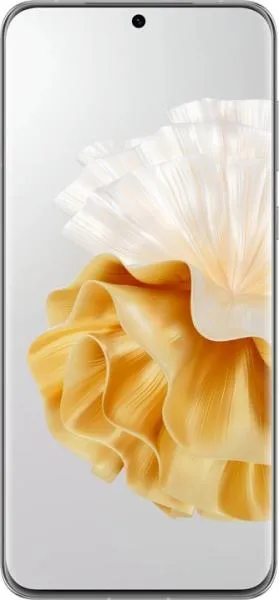
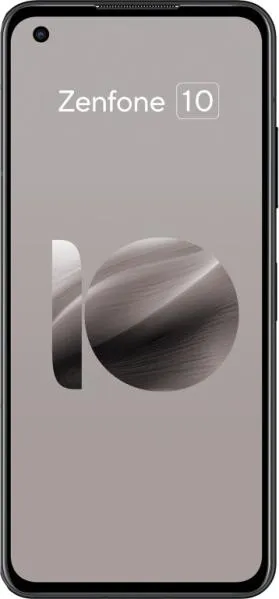
| Feature | Huawei P60 Pro | Asus Zenfone 10 | Practical Impact |
|---|---|---|---|
| Design | |||
| Dimensions (mm) | 161 x 74.5 x 8.3 | 146.5 x 68.1 x 9.4 | Zenfone 10 significantly smaller and more pocketable. P60 Pro thinner. |
| Weight (g) | 200 | 172 | Zenfone 10 noticeably lighter for one-handed use. |
| Display | |||
| Size (inches) | 6.67 | 5.92 | P60 Pro offers a larger screen for media consumption; Zenfone 10 better for one-handed use. |
| Resolution | 1220 x 2700 | 1080 x 2400 | Both sharp; P60 Pro slightly higher pixel density but negligible real-world difference. |
| Technology | LTPO OLED | AMOLED | Both offer vibrant colors and deep blacks; LTPO on P60 Pro allows for dynamic refresh rate, saving battery. |
| Refresh Rate | 120Hz | 144Hz | Zenfone 10's higher refresh rate provides smoother scrolling and animations, especially noticeable in gaming. |
| Performance | |||
| Chipset | Snapdragon 8+ Gen 1 4G | Snapdragon 8 Gen 2 | Zenfone 10 has a newer, more powerful and efficient chip, resulting in better performance and battery life. |
| CPU | Octa-core (1x3.19 GHz Cortex-X2...) | Octa-core (1x3.2 GHz Cortex-X3...) | Zenfone 10's CPU has a slight edge in performance due to newer architecture. |
| GPU | Adreno 730 | Adreno 740 | Zenfone 10's GPU offers better graphics performance for demanding games and applications. |
| RAM (Base Model) | 8GB | 8GB | Comparable base RAM, but Zenfone 10 offers higher RAM configurations (up to 16GB). |
| Camera | |||
| Main Camera | 48MP, f/1.4 | 50MP, f/1.9 | Both high resolution; P60 Pro's wider aperture potentially better in low light. |
| Telephoto | 48MP, f/2.1, 3.5x Optical Zoom | None listed in provided data. | P60 Pro offers significantly better zoom capabilities. Zenfone's telephoto capabilities are unknown. |
| Ultrawide | 13MP, f/2.2 | 13MP, f/2.2, Macro | Comparable ultrawide; Zenfone 10 adds macro capability. |
| Video | Up to 4K@60fps with EIS | Up to 8K@24fps with EIS | Zenfone 10 capable of higher resolution video recording; both have EIS. |
| Battery | |||
| Capacity | 4815 mAh | 4300 mAh | P60 Pro has a larger battery capacity, potentially longer battery life. However, real-world usage depends on optimization and the more efficient chip in the Zenfone 10 could offset this. |
| Charging | 88W wired, 50W wireless | 30W wired, 15W wireless | P60 Pro offers significantly faster wired and wireless charging. |
2. Key Differences Analysis
Huawei P60 Pro Advantages:
- Superior Camera System: Notably better zoom capabilities and potentially better low-light performance.
- Larger Battery: Higher capacity for potentially longer battery life, although real-world results may vary.
- Faster Charging: Significantly faster wired and wireless charging for quicker top-ups.
- Larger Display: More immersive experience for media consumption.
Asus Zenfone 10 Advantages:
- More Powerful and Efficient Chipset: Snapdragon 8 Gen 2 offers better performance and improved battery efficiency.
- Higher Refresh Rate Display: Smoother and more responsive user experience, especially for gaming.
- Smaller and Lighter: Significantly more compact and easier to handle for one-handed use.
- Lower Price: Offers a better price-to-performance ratio.
- 5G Connectivity: While the P60 Pro only offers 4G, the Zenfone 10 is 5G enabled.
Trade-offs:
- P60 Pro: Larger size and higher price for better camera and battery. Lacks 5G.
- Zenfone 10: Smaller battery and less powerful camera system for a smaller form factor, better performance, and lower price.
3. User Profiles & Recommendations
Huawei P60 Pro: Users who prioritize camera quality, battery life (despite the 4G limitation and potential impact on battery), a larger display, and fast charging. Ideal for photography enthusiasts, content creators, and heavy media consumers.
Asus Zenfone 10: Users who value a compact and lightweight phone with excellent performance, a smooth display, and a reasonable price. Suitable for gamers, power users who prefer one-handed operation, and those seeking a balance between features and portability. 5G connectivity is a plus for future-proofing.
4. Decision Framework
Key Questions for Buyers:
- What is your budget? The P60 Pro is significantly more expensive.
- What screen size do you prefer? Large screen for media or smaller for one-handed use?
- What are your top priorities? Camera, performance, battery life, portability, price?
Scenario-Based Recommendations:
- Photographer: P60 Pro
- Gamer: Zenfone 10
- On-the-go Professional: Zenfone 10 for portability and performance, or P60 Pro if camera quality is paramount.
- Budget-Conscious User: Zenfone 10
My Choice: Asus Zenfone 10
While the P60 Pro boasts an impressive camera system, the Zenfone 10's overall package is more appealing to me. The newer, more powerful and efficient Snapdragon 8 Gen 2, coupled with the 144Hz display, will provide a noticeably smoother and faster user experience. I prioritize performance, portability, and value, and the Zenfone 10 delivers in these areas. The compact size is a major plus for one-handed usability. While the P60 Pro has a larger battery, the Zenfone 10's superior efficiency may result in comparable real-world battery life. Finally, 5G connectivity is crucial for future-proofing, making the Zenfone 10 a more compelling long-term investment. The price difference is significant enough to solidify my choice.
