1. Specifications Comparison
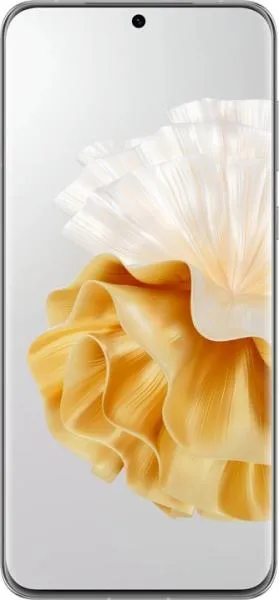
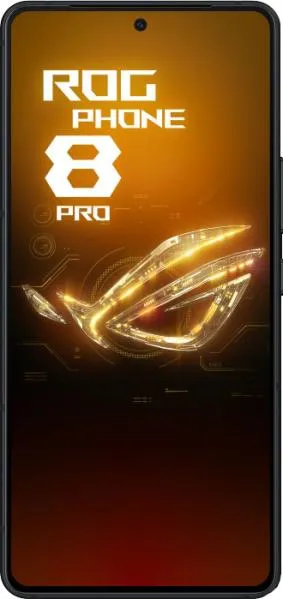
| Feature | Huawei P60 Pro | Asus ROG Phone 8 Pro | Practical Impact |
|---|---|---|---|
| Design | |||
| Dimensions (mm) | 161 x 74.5 x 8.3 | 163.8 x 76.8 x 8.9 | ROG Phone 8 Pro is slightly larger and thicker. |
| Weight (g) | 200 | 225 | ROG Phone 8 Pro is noticeably heavier. |
| Build Materials | Not specified | Not specified | Cannot compare build quality and durability. |
| Display | |||
| Display Type | LTPO OLED | LTPO AMOLED | Both offer excellent contrast and color accuracy, but AMOLED can sometimes produce slightly more vibrant colors. |
| Size (inches) | 6.67 | 6.78 | Negligible difference in screen real estate. |
| Resolution | 1220 x 2700 | 1080 x 2400 | P60 Pro has a sharper display due to higher pixel density. |
| Refresh Rate (Hz) | 120 | 165 | ROG Phone 8 Pro offers smoother scrolling and animations, especially beneficial for gaming. |
| Peak Brightness (nits) | Not specified | 2500 | ROG Phone 8 Pro's superior peak brightness ensures better visibility in direct sunlight. |
| Performance | |||
| Chipset | Snapdragon 8+ Gen 1 4G | Snapdragon 8 Gen 3 | ROG Phone 8 Pro has a significantly newer and more powerful processor, resulting in better performance and efficiency. |
| CPU | Octa-core (up to 3.19 GHz) | Octa-core (up to 3.3 GHz) | ROG Phone 8 Pro has a faster CPU, leading to improved multitasking and app loading times. |
| GPU | Adreno 730 | Adreno 750 | ROG Phone 8 Pro has a more powerful GPU, providing a significant advantage in gaming and graphics-intensive tasks. |
| RAM | 8/12GB | 16/24GB | ROG Phone 8 Pro offers significantly more RAM, enabling superior multitasking and preventing app closures in the background. |
| Camera | |||
| Main Camera (MP) | 48 | 50 | While megapixel count isn't everything, the ROG Phone 8 Pro likely captures more detail. |
| Telephoto Capability | Yes (3.5x Optical Zoom) | Yes (3x Optical Zoom) | Similar telephoto capabilities. |
| Ultrawide | 13MP | 13MP with Macro | ROG Phone 8 Pro offers macro capability for close-up shots. |
| Video Recording | Up to 4K@60fps | Up to 8K@24fps | ROG Phone 8 Pro can record higher resolution video. |
| Battery | |||
| Capacity (mAh) | 4815 | 5500 | ROG Phone 8 Pro has a larger battery, likely resulting in longer battery life. |
| Fast Charging (W) | 88 | 65 | P60 Pro offers significantly faster wired charging. |
| Wireless Charging | 50W | Not specified | P60 Pro supports fast wireless charging. ROG Phone 8 Pro's wireless charging capabilities are unknown. |
2. Key Differences Analysis
Huawei P60 Pro Advantages:
- Sharper Display: Higher pixel density provides a more detailed viewing experience.
- Faster Charging: Significantly faster wired and wireless charging speeds.
- More Compact and Lighter: Easier to handle and carry.
Asus ROG Phone 8 Pro Advantages:
- Significantly More Powerful: Newer generation processor and GPU deliver superior performance for demanding tasks and gaming.
- Higher Refresh Rate Display: Smoother and more responsive visuals, particularly for gaming.
- Larger Battery: Potentially longer battery life.
- More RAM: Better multitasking capabilities and smoother overall performance.
- 5G Connectivity: Supports faster cellular data speeds.
3. User Profiles & Recommendations
Huawei P60 Pro: Users who prioritize a sharp display, compact design, fast charging, and excellent camera quality. Suitable for everyday use, photography enthusiasts, and users who value portability.
Asus ROG Phone 8 Pro: Users who demand top-tier performance, especially mobile gamers, power users, and those who value a high refresh rate display and large amounts of RAM.
4. Decision Framework
Key Questions for Buyers:
- What is your primary use case? (Gaming, photography, everyday use)
- What is your budget? (Consider the price difference between the two phones)
- What features are most important to you? (Performance, camera quality, battery life, display quality)
Scenario-Based Recommendations:
- Gamer: ROG Phone 8 Pro
- Photographer: P60 Pro (considering its DxOMark score and variable aperture)
- Everyday User on a Budget: Neither phone is truly budget-friendly, but the ROG Phone 8 Pro offers more performance for the price if you can find it at the lower end of its price range.
My Choice: Asus ROG Phone 8 Pro
While the P60 Pro offers a compelling combination of camera quality, display sharpness, and charging speed, the ROG Phone 8 Pro's superior performance, larger battery, higher refresh rate display, and expansive RAM make it the more future-proof choice for me. The significant jump in processing power and graphics capabilities offered by the Snapdragon 8 Gen 3 is a deciding factor. I prioritize long-term performance and fluidity, and the ROG Phone 8 Pro is clearly the winner in these categories. Even though it's slightly larger and heavier, the benefits outweigh these minor drawbacks for my personal needs. The lack of specific details on wireless charging for the ROG Phone 8 Pro is a minor concern, but not a deal breaker considering its other strengths.
