1. Specifications Comparison
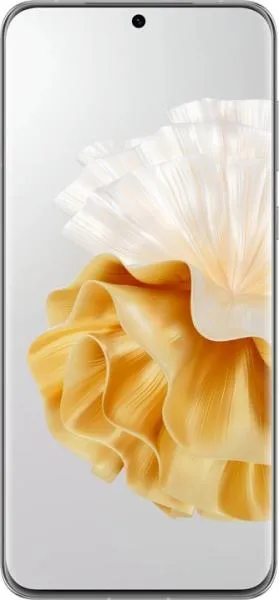
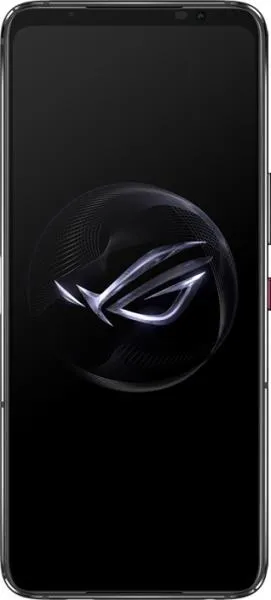
| Feature | Huawei P60 Pro | Asus ROG Phone 7 | Practical Impact |
|---|---|---|---|
| Design | |||
| Dimensions (mm) | 161 x 74.5 x 8.3 | 173 x 77 x 10.3 | ROG Phone 7 is significantly larger and thicker. P60 Pro is more pocketable. |
| Weight (g) | 200 | 239 | ROG Phone 7 is noticeably heavier. P60 Pro is more comfortable for extended use. |
| Build | Build materials not specified for either phone, limiting comparison. | ||
| Display | |||
| Size (inches) | 6.67 | 6.78 | Negligible size difference in real-world usage. |
| Resolution | 1220 x 2700 | 1080 x 2448 | P60 Pro has a sharper display (444 ppi vs 395 ppi), resulting in clearer text and images. |
| Type | LTPO OLED | AMOLED | Both offer excellent contrast and colors. P60 Pro's LTPO panel allows for dynamic refresh rate adjustment (1-120Hz), potentially saving battery. ROG Phone 7 has a higher fixed refresh rate (165Hz) for smoother animations and gaming. |
| Refresh Rate (Hz) | 120 | 165 | ROG Phone 7's higher refresh rate provides a more fluid gaming and scrolling experience. P60 Pro's variable refresh rate optimizes battery life. |
| Peak Brightness (nits) | Not specified | 1500 | ROG Phone 7's higher peak brightness ensures better visibility in direct sunlight. Missing data for P60 Pro prevents full comparison. |
| Performance | |||
| Chipset | Snapdragon 8+ Gen 1 4G | Snapdragon 8 Gen 2 | ROG Phone 7 boasts a newer, more powerful processor, leading to faster performance in demanding tasks and games. |
| CPU | Octa-core (up to 3.19 GHz) | Octa-core (up to 3.2 GHz) | ROG Phone 7 has a slightly faster CPU clock speed and newer architecture, offering a performance advantage. |
| GPU | Adreno 730 | Adreno 740 | ROG Phone 7's Adreno 740 GPU provides superior graphics performance for gaming and other visually intensive tasks. |
| RAM | 8GB/12GB | 8GB/12GB/16GB | Both offer ample RAM; however, the ROG Phone 7 provides a 16GB option for extreme multitasking. |
| Camera | |||
| Main Camera | 48MP, f/1.4 | 50MP, f/1.9 | P60 Pro's wider aperture (f/1.4) potentially allows for better low-light performance. Sensor and image processing differences are not fully comparable without real-world testing. |
| Telephoto | 48MP, f/2.1 | No dedicated telephoto | P60 Pro offers optical zoom capabilities, which the ROG Phone 7 lacks. ROG Phone 7 has a Macro lens instead. |
| Ultrawide | 13MP, f/2.2 | 13MP, f/2.2 | Similar ultrawide specifications; real-world performance depends on lens quality and software processing. |
| Battery | |||
| Capacity (mAh) | 4815 | 6000 | ROG Phone 7 has a significantly larger battery, potentially offering much longer battery life. |
| Charging | 88W wired, 50W wireless | 65W wired | P60 Pro supports faster wired and wireless charging. ROG Phone 7 has a larger battery to offset the slower charging. |
2. Key Differences Analysis
Huawei P60 Pro Advantages:
- Superior Display Sharpness: Higher pixel density results in crisper visuals.
- Variable Refresh Rate Display: Optimizes battery life.
- Faster Charging: Both wired and wireless charging are faster.
- Superior Camera System: Offers a variable aperture main lens and a telephoto lens for optical zoom, potentially leading to better low-light photography and versatility.
Asus ROG Phone 7 Advantages:
- More Powerful Processor and GPU: Provides significantly better performance for gaming and demanding tasks.
- Higher Fixed Refresh Rate: Offers smoother visuals for gaming and scrolling.
- Significantly Larger Battery: Potentially translates to much longer usage time.
- Gaming-Focused Features: While not explicitly listed, ROG phones typically include gaming-specific hardware and software enhancements.
3. User Profiles & Recommendations
Huawei P60 Pro: Ideal for users prioritizing camera quality, a compact and lightweight design, and a sharp display. Suitable for photography enthusiasts, everyday users, and those seeking a premium experience.
Asus ROG Phone 7: Designed for mobile gamers and power users who demand top-tier performance. Excellent for demanding tasks, media consumption, and extended use without frequent charging.
4. Decision Framework
Key Questions for Buyers:
- What is your primary use case? (Gaming, photography, everyday use)
- How important is battery life versus charging speed?
- What is your budget and perceived value for specific features?
Scenario-Based Recommendations:
- Heavy gamer: Asus ROG Phone 7
- Photography enthusiast: Huawei P60 Pro
- Balanced user seeking premium features: Consider individual priorities and price sensitivity. P60 Pro if camera and size are paramount; ROG Phone 7 if performance and battery are key.
My Choice: Asus ROG Phone 7
While the P60 Pro offers a compelling camera system and a more refined design, the ROG Phone 7's superior performance, larger battery, and higher refresh rate display are more aligned with my personal priorities. I value a smooth and responsive user experience for both productivity and gaming. The longer battery life is also a significant advantage for my usage patterns. While I appreciate the P60 Pro's camera capabilities, the performance difference and significantly larger battery of the ROG Phone 7 are decisive factors for me.
