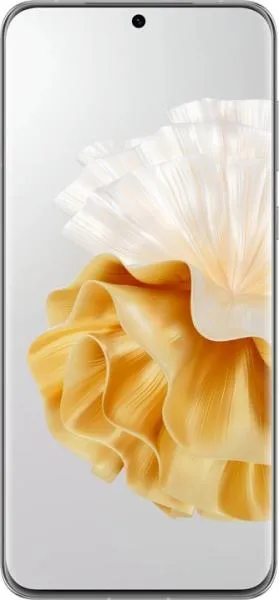
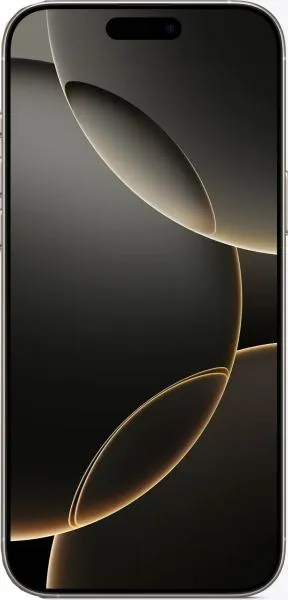
1. Specifications Comparison
| Feature | Huawei P60 Pro | Apple iPhone 16 Pro Max | Practical Impact |
|---|---|---|---|
| Design | |||
| Dimensions (mm) | 161 x 74.5 x 8.3 | 163 x 77.6 x 8.3 | iPhone 16 Pro Max is slightly larger and noticeably heavier. |
| Weight (g) | 200 | 227 | P60 Pro is significantly lighter, improving one-handed use. |
| Display | |||
| Size (inches) | 6.67 | 6.9 | iPhone offers a larger screen for media consumption. |
| Resolution | 1220 x 2700 | 1320 x 2868 | Both are sharp, but iPhone has slightly higher pixel density (460 vs 444 ppi). |
| Type | LTPO OLED | LTPO Super Retina XDR OLED | Both offer excellent color accuracy and power efficiency. iPhone boasts higher peak brightness (2000 nits) for better outdoor visibility. |
| Refresh Rate (Hz) | 120 | 120 | Both offer smooth scrolling and animations. |
| HDR | No Dolby Vision | Dolby Vision | iPhone supports Dolby Vision for enhanced video playback. |
| Performance | |||
| Chipset | Snapdragon 8+ Gen 1 4G (4 nm) | Apple A18 Pro (3 nm) | A18 Pro is expected to offer significantly faster performance and efficiency due to newer architecture and manufacturing process. |
| CPU | Octa-core | Hexa-core | Specific core configurations differ, but A18 Pro is likely superior in real-world performance. |
| GPU | Adreno 730 | Apple GPU (6-core) | Apple's custom GPU is generally optimized better for its ecosystem, offering potentially superior graphics performance. |
| RAM (GB) | 8/12 | 8 | While P60 Pro offers a 12GB RAM option, Apple's RAM management is typically very efficient. |
| Camera | |||
| Main Camera (MP) | 48 | 48 | Comparable resolution, but sensor size and aperture differ (P60 Pro: 1/1.4", f/1.4; iPhone: 1/1.3", f/1.78). |
| Telephoto | Yes | Yes | Both offer optical zoom. Specific zoom ranges need further clarification. |
| Ultrawide | Yes | Yes | Both include ultrawide lenses. Field of view and other specifics require further detail. |
| Video Recording | Up to 4K@60fps | Up to 4K@120fps | iPhone offers higher frame rate video recording capabilities. |
| DxOMark Score | 156 | 157 | Scores are very close, suggesting comparable overall camera quality. iPhone has a slight edge in video (159 vs 147). |
| Battery | |||
| Capacity (mAh) | 4815 | 4685 | P60 Pro has slightly larger battery capacity. |
| Fast Charging | 88W Wired, 50W Wireless | 25W Wired, 25W Wireless | P60 Pro offers significantly faster wired charging. |
2. Key Differences Analysis
Huawei P60 Pro Advantages:
- Faster Wired Charging: Significantly faster charging speeds than the iPhone.
- Lighter Design: More comfortable for extended use and one-handed operation.
- Potentially Lower Price: Depending on region and configuration.
Apple iPhone 16 Pro Max Advantages:
- Superior Performance: A18 Pro chip offers significantly faster CPU and GPU performance.
- Better Software Integration: iOS ecosystem is known for its seamless integration and optimization.
- Higher Peak Brightness Display: Improved outdoor visibility.
- Dolby Vision Support: Enhanced video playback experience.
- 5G Connectivity: While P60 Pro is limited to 4G.
- Longer Software Support: Apple typically provides longer software updates compared to Huawei.
3. User Profiles & Recommendations
Huawei P60 Pro: Users prioritizing fast charging, a lighter phone, and potentially lower price. Photography enthusiasts might also prefer it depending on individual image quality preferences.
Apple iPhone 16 Pro Max: Users prioritizing performance, smooth user experience, long-term software support, and 5G connectivity. Content creators will benefit from the high-quality video recording capabilities.
4. Decision Framework
Key Questions:
- Is 5G connectivity crucial? If yes, the iPhone is the only option.
- How important is raw performance? For demanding tasks and gaming, the iPhone's A18 Pro will provide a noticeable advantage.
- What is your budget? The iPhone is generally more expensive.
Scenario-Based Recommendations:
- Heavy User: iPhone 16 Pro Max for its performance and battery life.
- Casual User: P60 Pro if budget is a concern and 5G is not needed.
- Content Creator: iPhone 16 Pro Max for its superior video recording capabilities.
My Choice: Apple iPhone 16 Pro Max
While the Huawei P60 Pro offers advantages like faster charging and a lighter design, the iPhone 16 Pro Max's superior performance, longer software support, 5G connectivity, and the broader Apple ecosystem make it the better overall choice for me. The improved display and video recording capabilities further solidify its position as a more future-proof device. I prioritize performance and long-term usability, and the iPhone aligns better with those needs. However, if budget is a significant constraint and 5G is not a requirement, the P60 Pro is a compelling alternative.
