1. Specifications Comparison
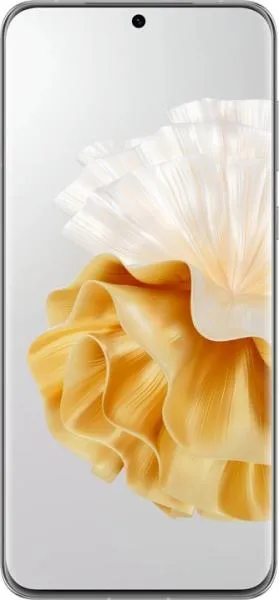
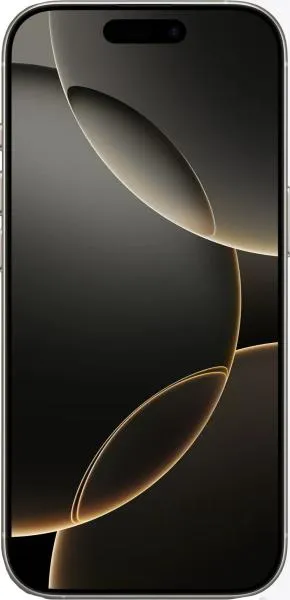
| Feature | Huawei P60 Pro | Apple iPhone 16 Pro | Practical Impact |
|---|---|---|---|
| Design | |||
| Dimensions (mm) | 161 x 74.5 x 8.3 | 149.6 x 71.5 x 8.3 | iPhone 16 Pro is noticeably smaller and potentially easier to handle one-handed. |
| Weight (g) | 200 | 199 | Negligible weight difference. |
| Build Materials | Not specified | Not specified | Cannot compare build quality and durability. |
| Display | |||
| Size (inches) | 6.67 | 6.3 | P60 Pro offers a larger screen for more immersive media consumption. |
| Resolution (px) | 1220 x 2700 | 1206 x 2622 | Similar sharpness despite resolution difference due to size variations; both are crisp and detailed. |
| Display Type | LTPO OLED | LTPO Super Retina XDR OLED | Both offer excellent contrast, vibrant colors, and power efficiency thanks to LTPO technology. iPhone boasts higher peak brightness (2000 nits HBM) for better outdoor visibility. |
| Refresh Rate (Hz) | 120 | 120 | Both offer smooth scrolling and animations. |
| HDR | No Dolby Vision | Dolby Vision | iPhone 16 Pro supports Dolby Vision for enhanced video playback quality with wider color gamut and dynamic range. |
| Performance | |||
| Chipset | Snapdragon 8+ Gen 1 4G (4 nm) | Apple A18 Pro (3 nm) | A18 Pro is likely significantly faster due to newer architecture and manufacturing process. |
| CPU | Octa-core (1x3.19 GHz X2 & 3x2.75 GHz A710 & 4x2.0 GHz A510) | Hexa-core (2x4.05 GHz + 4x2.42 GHz) | Apple's custom core design usually results in superior single-core and multi-core performance. Specific A18 Pro details are missing but it's expected to outperform the Snapdragon 8+ Gen 1. |
| GPU | Adreno 730 | Apple GPU (6-core) | Apple's GPUs are generally very powerful. Expect the iPhone to have a significant advantage in graphics-intensive tasks like gaming. |
| RAM | 8GB | 8GB | Same RAM capacity. However, iOS memory management often allows for efficient performance even with less RAM compared to Android. |
| OS | Not specified | iOS 18 | iOS is known for its simplicity, smooth performance, and timely updates. Huawei's OS and update schedule are unknown. |
| Camera | |||
| Main Camera (MP) | 48 | 48 | Megapixel count is similar, but sensor size and image processing play a more significant role in image quality. iPhone utilizes a larger sensor (1/1.3" vs 1/1.4") potentially capturing more light. |
| Telephoto | Yes | Yes | Both offer optical zoom, but specifics on zoom range are incomplete for both. |
| Ultrawide | 13MP | 48MP | iPhone 16 Pro has a significantly higher resolution ultrawide, enabling more detailed wide-angle shots. |
| Video | Up to 4K@60fps with EIS | Up to 4K@120fps with HDR, Stereo Sound | iPhone offers higher frame rate video recording with HDR and stereo sound for superior video quality. |
| Battery | |||
| Capacity (mAh) | 4815 | 3582 | P60 Pro has a much larger battery, potentially leading to significantly longer battery life. |
| Fast Charging | 88W wired, 50W Wireless | 25W Wired, 25W Wireless | P60 Pro offers significantly faster wired charging. Wireless charging speeds are comparable. |
2. Key Differences Analysis
Huawei P60 Pro Advantages:
- Larger Battery: Potentially much longer battery life.
- Faster Wired Charging: Significantly quicker charging times.
- Larger Display: More immersive experience for media consumption.
Apple iPhone 16 Pro Advantages:
- Performance: Expected to be noticeably faster and smoother due to the A18 Pro chip.
- Camera System: Larger main sensor, higher resolution ultrawide, and superior video recording capabilities. Dolby Vision recording is a notable advantage.
- Software: iOS offers a polished user experience with regular updates.
- Display Quality: Brighter display for better outdoor visibility and Dolby Vision support.
Trade-offs:
- Battery Life vs. Performance: P60 Pro prioritizes battery life, while iPhone 16 Pro focuses on performance.
- Screen Size vs. One-Handed Use: Larger screen on P60 Pro might be less comfortable for one-handed operation.
3. User Profiles & Recommendations
Huawei P60 Pro: Ideal for users who prioritize:
- All-day Battery Life: Heavy users who need a phone that lasts.
- Large Screen: For media consumption, gaming, and multitasking.
Apple iPhone 16 Pro: Ideal for users who value:
- Performance & Speed: Demanding users who need a phone for gaming, video editing, or other intensive tasks.
- Camera Quality: Photography and videography enthusiasts.
- Seamless Software Experience: Users who prefer iOS ecosystem.
4. Decision Framework
Key Questions for Buyers:
- How important is battery life?
- Do you prioritize performance or screen size?
- Which operating system and ecosystem do you prefer?
Scenario-Based Recommendations:
- Heavy User, Long Days: Huawei P60 Pro
- Gamer, Photographer: Apple iPhone 16 Pro
- Casual User, iOS Preference: Apple iPhone 16 Pro
My Choice: Apple iPhone 16 Pro
While the Huawei P60 Pro offers a compelling battery and charging solution, the iPhone 16 Pro's expected superior performance, advanced camera system, polished software, and brighter display are more important factors for me personally. I prioritize a smooth and responsive user experience, high-quality photos and videos, and a reliable software ecosystem with consistent updates, which the iPhone is known for. While battery life is important, I find the trade-off for significantly enhanced performance and features acceptable, especially considering the advancements in fast charging and power management techniques. The smaller form factor of the iPhone 16 Pro is also more appealing to me for everyday use. The lack of detailed specifications for the Huawei's OS and long-term support also contributes to my decision.
