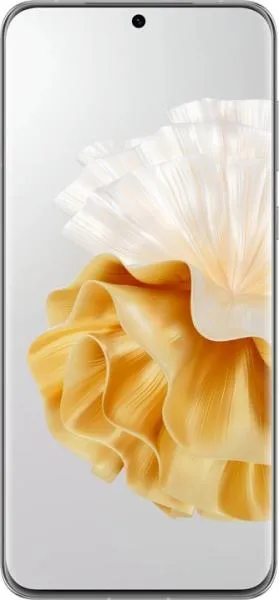
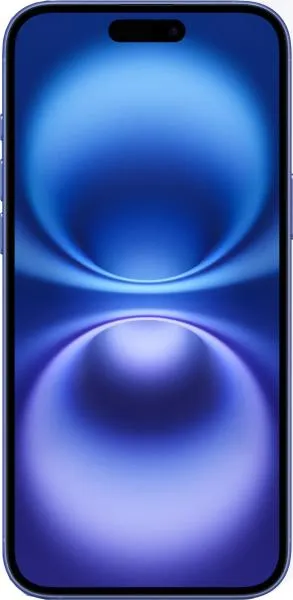
1. Specifications Comparison
| Feature | Huawei P60 Pro | Apple iPhone 16 Plus | Practical Impact |
|---|---|---|---|
| Design | |||
| Dimensions (mm) | 161 x 74.5 x 8.3 | 160.9 x 77.8 x 7.8 | iPhone 16 Plus is slightly wider but thinner. Negligible difference in hand feel. |
| Weight (g) | 200 | 199 | Virtually identical weight. |
| Build Material | Not specified | Not specified | Cannot compare build quality and durability without material information. |
| Display | |||
| Display Type | LTPO OLED | Super Retina XDR OLED | Both offer excellent contrast and deep blacks. LTPO allows for dynamic refresh rate, potentially saving battery on the P60 Pro. iPhone boasts higher peak brightness (2000 nits HBM) for better outdoor visibility. |
| Display Size (inches) | 6.67 | 6.7 | Negligible size difference. |
| Resolution | 1220 x 2700 | 1290 x 2796 | iPhone has a slightly sharper display due to higher pixel density. Difference is minimal in practical usage. |
| Refresh Rate | 120Hz (LTPO) | Not specified | P60 Pro's adaptive refresh rate provides smoother scrolling and animations while conserving battery. Unknown refresh rate for iPhone limits comparison. |
| HDR | No Dolby Vision | Dolby Vision | iPhone supports Dolby Vision for superior HDR content playback with enhanced dynamic range and color accuracy. |
| Performance | |||
| Chipset | Snapdragon 8+ Gen 1 4G (4 nm) | Apple A18 (3 nm) | A18 is a newer generation chip built on a smaller process, likely resulting in significant performance and efficiency gains over the Snapdragon 8+ Gen 1. |
| CPU | Octa-core | Hexa-core | Core count difference is less crucial than architectural improvements in the A18, which likely translates to better single-core and multi-core performance on the iPhone. |
| GPU | Adreno 730 | Apple GPU (5-core) | Apple's custom GPUs are typically very powerful. Difficult to quantitatively compare without benchmarks. Expect excellent gaming performance on both. |
| RAM | 8GB | 8GB | Same RAM capacity. iOS's memory management generally requires less RAM than Android. |
| Camera | |||
| Main Camera | 48MP, f/1.4 | 48MP, f/1.6 | Both have high-resolution sensors. P60 Pro has a slightly wider aperture, potentially capturing more light in low-light conditions. |
| Ultrawide | 13MP, f/2.2 | 12MP, f/2.2, Macro | Similar ultrawide capabilities. iPhone adds macro functionality for close-up shots. |
| Telephoto | 48MP, f/2.1, 3.5x Optical Zoom | No dedicated telephoto lens mentioned | P60 Pro offers superior zoom capabilities with a dedicated telephoto lens. iPhone likely relies on digital zoom from the main sensor. |
| Battery | |||
| Capacity | 4815 mAh | 4674 mAh | Slightly larger battery in the P60 Pro. Real-world battery life depends on software optimization and usage patterns. |
| Fast Charging | 88W Wired, 50W Wireless | 25W Wired, 25W Wireless | P60 Pro offers significantly faster wired charging. Wireless charging speeds are faster on the P60 Pro. |
2. Key Differences Analysis
Huawei P60 Pro Advantages:
- Superior Camera System: Dedicated telephoto lens with optical zoom, potentially better low-light performance.
- Faster Charging: Significantly faster wired and wireless charging.
- LTPO Display: Dynamic refresh rate for smoother visuals and better battery efficiency.
Apple iPhone 16 Plus Advantages:
- Newer, More Powerful Chipset: Apple A18 likely provides significant performance and efficiency advantages.
- Dolby Vision: Supports Dolby Vision for enhanced HDR content viewing.
- Macro Camera: Offers macro photography capabilities.
- Software and Ecosystem: iOS ecosystem known for simplicity, security, and longevity of software updates.
Trade-offs:
- P60 Pro lacks 5G: A significant drawback in areas with 5G deployment.
- iPhone 16 Plus lacks a dedicated telephoto lens: Limiting optical zoom capabilities.
3. User Profiles & Recommendations
Huawei P60 Pro: Users prioritizing camera quality, especially zoom and low-light performance, and fast charging. Suitable for photography enthusiasts, content creators, and users who value quick charging. Less ideal for users in areas with strong 5G coverage.
Apple iPhone 16 Plus: Users who value overall performance, seamless software experience, long-term software updates, and a strong app ecosystem. Good for general users, gamers, and those heavily invested in the Apple ecosystem.
4. Decision Framework
Key Questions:
- Is 5G connectivity crucial? If yes, the iPhone 16 Plus is the clear winner.
- Is camera quality the top priority? If yes, the P60 Pro's superior camera system is a strong advantage.
- Which operating system and ecosystem do you prefer? This is a subjective choice based on personal preferences and existing device investments.
My Choice: Apple iPhone 16 Plus
While the P60 Pro has an impressive camera system and charging speeds, the lack of 5G is a significant drawback in today's environment. The iPhone 16 Plus, with its newer and more powerful A18 chip, promises better overall performance and longevity. The Apple ecosystem's software support and app selection are also strong factors in my decision. While I appreciate the P60 Pro's camera capabilities, the combination of 5G connectivity, performance, and software experience makes the iPhone 16 Plus the more compelling choice for me. Furthermore, the likely price difference between a "high price" phone from 2023 and a "medium price" phone from 2024 tilts the value proposition further towards the iPhone.
