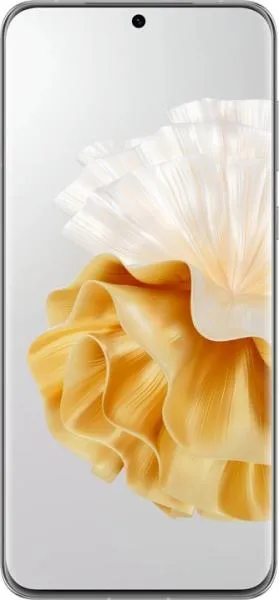
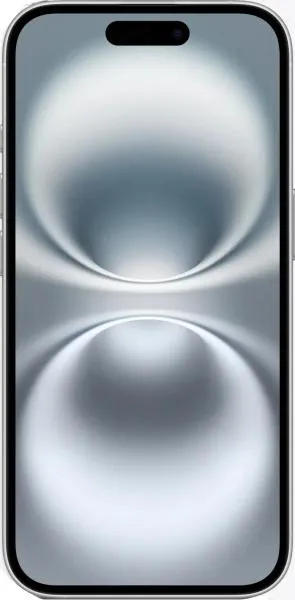
1. Specifications Comparison
| Feature | Huawei P60 Pro | Apple iPhone 16 | Practical Impact |
|---|---|---|---|
| Design | |||
| Dimensions (mm) | 161 x 74.5 x 8.3 | 147.6 x 71.6 x 7.8 | iPhone 16 is noticeably smaller and thinner, making it more pocketable and easier to handle. |
| Weight (g) | 200 | 170 | iPhone 16 is significantly lighter, reducing hand fatigue during extended use. |
| Display | |||
| Size (inches) | 6.67 | 6.1 | P60 Pro offers a larger screen for more immersive media consumption and multitasking, while the iPhone 16 prioritizes one-handed usability. |
| Resolution (px) | 1220 x 2700 | 1179 x 2556 | Both offer sharp displays, but the P60 Pro's slightly higher resolution and larger size provide a marginally more detailed image. |
| Type | LTPO OLED | Super Retina XDR OLED | Both use high-quality OLED panels with excellent color reproduction and contrast. LTPO on the P60 Pro allows for dynamic refresh rate adjustment, potentially saving battery. iPhone boasts higher peak brightness (2000 nits HBM) for better outdoor visibility. |
| Refresh Rate (Hz) | 120 | Unspecified | P60 Pro's 120Hz provides smoother scrolling and animations. Lack of iPhone 16 refresh rate information hinders direct comparison. |
| Performance | |||
| Chipset | Snapdragon 8+ Gen 1 4G (4 nm) | Apple A18 (3 nm) | A18 is a newer generation chip built on a more advanced process, likely resulting in superior performance and efficiency. However, real-world performance depends on optimization. |
| CPU | Octa-core (1x3.19 GHz Cortex-X2 & 3x2.75 GHz Cortex-A710 & 4x2.0 GHz Cortex-A510) | Hexa-core (2x4.04 GHz + 4x2.20 GHz) | Direct CPU comparison is difficult due to architectural differences. Both should handle demanding tasks with ease. |
| GPU | Adreno 730 | Apple GPU (5-core graphics) | Apple's custom GPUs are generally highly performant. A direct comparison requires benchmark results. |
| RAM (GB) | 8 | 8 | Both phones have ample RAM for smooth multitasking. |
| Camera | |||
| Main Camera (MP) | 48 | 48 | Megapixel count is similar; image quality depends on sensor size, aperture, and processing. |
| Main Sensor | Sony IMX888 (1/1.4") | Sony IMX904 (1/1.3") | iPhone 16's slightly larger sensor could potentially capture more light, resulting in better low-light performance. |
| Ultrawide (MP) | 13 | 12 | Minor difference in resolution; practical impact likely minimal. iPhone's ultrawide doubles as a macro lens. |
| Telephoto (MP) | 48 | Not specified | P60 Pro offers a dedicated telephoto lens for optical zoom, a feature not explicitly mentioned for the iPhone 16. |
| Battery | |||
| Capacity (mAh) | 4815 | 3561 | P60 Pro has a significantly larger battery, likely translating to longer battery life. |
| Fast Charging (W) | 88 | 25 | P60 Pro supports much faster wired charging. |
| Wireless Charging (W) | 50 | 25 | P60 Pro offers faster wireless charging. |
2. Key Differences Analysis
Huawei P60 Pro Advantages:
- Larger Battery: Significantly longer battery life.
- Faster Charging: Significantly faster wired and wireless charging.
- Larger Display: More immersive experience for media consumption and multitasking.
- Confirmed Telephoto Lens: Optical zoom capabilities for better image versatility.
- Higher Resolution Display: Slightly sharper visuals.
- LTPO Display: Dynamic refresh rate for potential power savings.
Apple iPhone 16 Advantages:
- Newer Chipset: Potentially superior performance and efficiency with the A18 Bionic chip.
- Smaller and Lighter: More comfortable for one-handed use and portability.
- Brighter Display: Superior outdoor visibility due to higher peak brightness.
- 5G Connectivity: Faster mobile data speeds (P60 Pro is 4G).
- iOS Ecosystem: Seamless integration with other Apple devices and services.
Trade-offs:
- P60 Pro: Larger size and weight may not be ideal for all users. Lacks 5G connectivity.
- iPhone 16: Smaller battery capacity might require more frequent charging. Unspecified refresh rate is a notable omission.
3. User Profiles & Recommendations
Huawei P60 Pro: Ideal for users who prioritize battery life, a large display for media consumption and productivity, fast charging, and strong camera versatility including optical zoom.
Apple iPhone 16: Best suited for users who value a compact and lightweight design, the latest performance, seamless integration with the Apple ecosystem, and bright display for outdoor use. 5G connectivity is a plus.
4. Decision Framework
Key Questions for Buyers:
- How important is battery life and charging speed?
- Do you prefer a larger screen for media or a smaller phone for one-handed use?
- Which operating system and ecosystem do you prefer (Android/Huawei vs. iOS/Apple)?
Scenario-Based Recommendations:
- Heavy User: P60 Pro for its larger battery.
- One-Handed Use: iPhone 16 for its compact design.
- Apple User: iPhone 16 for ecosystem integration.
My Choice: Apple iPhone 16
While the Huawei P60 Pro boasts impressive features like a larger battery and faster charging, I would choose the Apple iPhone 16. The A18 Bionic chip's expected performance gains, coupled with the smaller, lighter form factor and the seamless iOS ecosystem (which I personally prefer), are compelling. The brighter display is a significant advantage for outdoor use. Although the battery is smaller, Apple's chip efficiency mitigates this somewhat. The lack of a confirmed telephoto lens on the iPhone 16 is a drawback, but the overall package, including 5G connectivity, makes it the more appealing device for my needs. The omission of refresh rate data is concerning but assuming Apple maintains 120Hz for its flagship, the difference is negligible.
