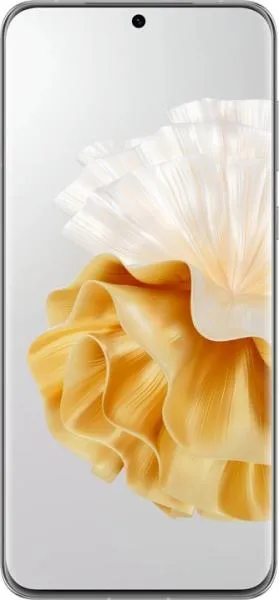
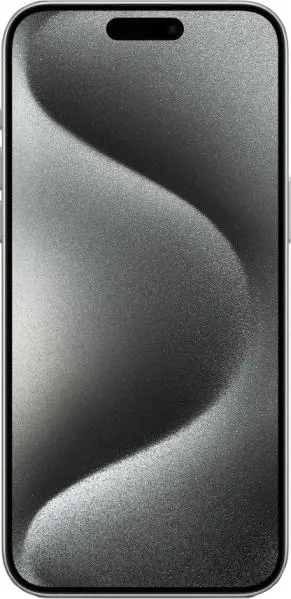
1. Specifications Comparison
| Feature | Huawei P60 Pro | Apple iPhone 15 Pro Max | Practical Impact |
|---|---|---|---|
| Design | |||
| Dimensions (mm) | 161 x 74.5 x 8.3 | 159.9 x 76.7 x 8.3 | Virtually identical in size and thickness. |
| Weight (g) | 200 | 221 | iPhone 15 Pro Max is noticeably heavier. Could impact one-handed use and pocket comfort. |
| Build | Unspecified | Unspecified | Build materials impact durability and premium feel. Lack of information limits comparison. |
| Display | |||
| Size (inches) | 6.67 | 6.7 | Negligible size difference. |
| Resolution (px) | 1220 x 2700 | 1290 x 2796 | Slightly sharper image on the iPhone due to higher pixel density. Difference likely imperceptible in everyday use. |
| Type | LTPO OLED | LTPO Super Retina XDR OLED | Both are high-quality OLED displays with adaptive refresh rates up to 120Hz for smooth scrolling and animations. "Super Retina XDR" is Apple's marketing term. |
| Peak Brightness (nits) | Unspecified | 2000 | Higher peak brightness on iPhone significantly improves outdoor visibility. Missing P60 Pro data hinders full comparison. |
| HDR | No Dolby Vision | Dolby Vision | iPhone supports Dolby Vision for enhanced video content with wider color gamut and dynamic range. |
| Performance | |||
| Chipset | Snapdragon 8+ Gen 1 4G (4 nm) | Apple A17 Pro (3 nm) | A17 Pro is a newer generation chip built on a more advanced process, likely resulting in significantly faster performance and better power efficiency. |
| CPU | Octa-core (1x3.19 GHz Cortex-X2 & 3x2.75 GHz Cortex-A710 & 4x2.0 GHz Cortex-A510) | Hexa-core (2x3.78 GHz + 4x2.11 GHz) | A17 Pro's architecture and higher clock speeds suggest superior performance in demanding tasks and multitasking. |
| GPU | Adreno 730 | Apple GPU (6-core) | Apple's custom GPU design often delivers class-leading graphics performance. Direct comparison is difficult without benchmarks. |
| RAM | 8GB | 8GB | Same RAM capacity. |
| OS | Unspecified | iOS 17 | iOS is known for its simplicity, smooth performance, and timely updates. Missing P60 Pro OS details limit comparison. |
| Camera | |||
| Main Camera (MP) | 48 | 48 | Megapixel count is similar, but sensor size, aperture, and image processing play a larger role in image quality. |
| Sensor Size | 1/1.4" (Main) | 1/1.3" (Main) | Larger main sensor on the iPhone 15 Pro Max potentially captures more light, resulting in better low-light performance and depth of field. |
| Zoom | 3.5x Optical, 100x Digital | 5x Optical, 25x Digital | iPhone offers greater optical zoom range, providing clearer zoomed-in shots. P60 Pro boasts a higher digital zoom, but image quality at that range is likely to be significantly degraded. |
| Video | Up to 4K@60fps with EIS | Up to 4K@60fps with HDR, Dolby Vision | Both offer high-quality video recording. iPhone adds HDR and Dolby Vision for superior dynamic range and color. |
| Battery | |||
| Capacity (mAh) | 4815 | 4441 | Larger battery in the P60 Pro suggests potentially longer battery life. Real-world usage will depend on software optimization. |
| Fast Charging | 88W | 27W | Significantly faster wired charging on the P60 Pro. |
| Wireless Charging | 50W | 15W MagSafe | Faster wireless charging on the P60 Pro. iPhone supports MagSafe for magnetic accessory attachment. |
2. Key Differences Analysis
Huawei P60 Pro Advantages:
- Faster Charging: Significantly faster wired and wireless charging.
- Potentially Longer Battery Life: Higher battery capacity suggests longer usage time.
- Higher Digital Zoom: Though image quality is a concern at extreme levels.
Apple iPhone 15 Pro Max Advantages:
- Superior Performance: Newer, more powerful A17 Pro chip and optimized iOS.
- Better Display: Brighter screen for improved outdoor visibility and Dolby Vision support.
- Enhanced Camera Features: Larger main sensor, greater optical zoom, HDR and Dolby Vision video recording.
- Software and Ecosystem: iOS known for simplicity, performance, and long-term software updates. Seamless integration with other Apple devices.
3. User Profiles & Recommendations
Huawei P60 Pro: Users prioritizing fast charging and potentially longer battery life. Photography enthusiasts who value versatility in zoom capabilities (with caveats about digital zoom quality).
Apple iPhone 15 Pro Max: Users who demand top-tier performance, a vibrant display, and a premium camera system. Those heavily invested in the Apple ecosystem.
4. Decision Framework
Key Questions:
- Performance Priority: Is cutting-edge processing power and a smooth user experience paramount?
- Ecosystem Importance: How important is integration with other Apple devices and services?
- Charging Needs: How crucial is fast charging speed in daily usage?
My Choice: Apple iPhone 15 Pro Max
While the Huawei P60 Pro offers impressive charging speeds and a potentially longer-lasting battery, the iPhone 15 Pro Max's superior performance, brighter display with Dolby Vision, enhanced camera system, and the cohesive Apple ecosystem make it the more compelling device for me. The A17 Pro chip promises a significant performance leap, which is crucial for demanding tasks and future-proofing. iOS's reputation for smooth performance and long-term software updates is also a major factor. Although I value fast charging, the overall user experience offered by the iPhone 15 Pro Max outweighs the P60 Pro's advantages in this area. The lack of specific OS details for the P60 Pro and uncertainty surrounding Huawei's app ecosystem further solidify my choice.
