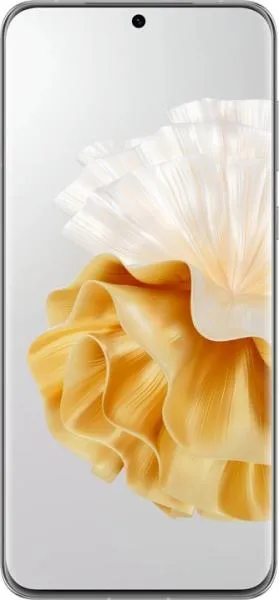
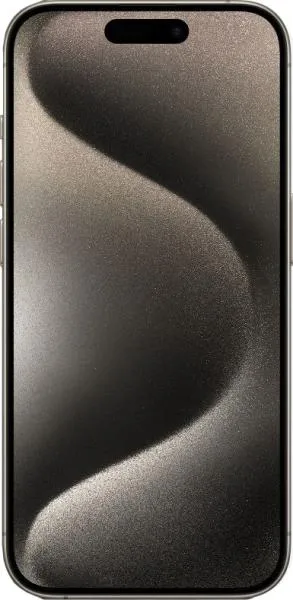
1. Specifications Comparison
| Feature | Huawei P60 Pro | Apple iPhone 15 Pro | Practical Impact |
|---|---|---|---|
| Design | |||
| Dimensions (mm) | 161 x 74.5 x 8.3 | 146.6 x 70.6 x 8.3 | iPhone 15 Pro is noticeably smaller and potentially easier to handle one-handed. |
| Weight (g) | 200 | 187 | iPhone 15 Pro is slightly lighter, enhancing portability. |
| Build | Titanium frame | iPhone 15 Pro boasts superior durability due to its titanium frame. Data is missing for P60 Pro's build materials. | |
| Display | |||
| Size (inches) | 6.67 | 6.1 | P60 Pro offers a larger screen for more immersive content consumption, while iPhone 15 Pro prioritizes one-handed usability. |
| Resolution | 1220 x 2700 | 1179 x 2556 | Both offer sharp displays; P60 Pro's slightly higher resolution might be noticeable in side-by-side comparisons but unlikely in daily use. |
| Type | LTPO OLED | LTPO Super Retina XDR OLED | Both use power-efficient LTPO OLED technology with 120Hz adaptive refresh rate for smooth scrolling and animations. iPhone's "Super Retina XDR" branding suggests potential enhancements in brightness and color accuracy. |
| Peak Brightness | Missing | 2000 nits (HBM) | iPhone 15 Pro's significantly higher peak brightness ensures better visibility in direct sunlight. |
| HDR | No Dolby Vision | Dolby Vision | iPhone 15 Pro supports Dolby Vision for superior HDR content playback. |
| Performance | |||
| Chipset | Snapdragon 8+ Gen 1 4G (4 nm) | Apple A17 Pro (3 nm) | A17 Pro, being a newer generation chip built on a smaller process node, is expected to offer significant performance and efficiency advantages. |
| CPU | Octa-core (1x3.19 GHz Cortex-X2 & 3x2.75 GHz Cortex-A710 & 4x2.0 GHz Cortex-A510) | Hexa-core (2x3.78 GHz + 4x2.11 GHz) | While core counts differ, the A17 Pro's architecture and clock speeds suggest a performance advantage. |
| GPU | Adreno 730 | Apple GPU (6-core) | Apple's custom GPU designs are generally highly performant; direct comparison is difficult without benchmarks, but A17 Pro likely leads in graphics performance. |
| RAM | 8GB | 8GB | Both phones have the same amount of RAM. |
| OS | Missing | iOS 17 | No comparison possible due to missing OS information for the P60 Pro. |
| Camera | |||
| Main Camera | 48MP, f/1.4 | 48MP, f/1.78 | Both have high-resolution sensors. P60 Pro's wider aperture suggests better low-light performance. |
| Telephoto | 48MP, f/2.1, 3.5x optical zoom | 12MP, f/2.8, 3x optical zoom | P60 Pro offers higher resolution in its telephoto lens, but image quality depends on sensor size and processing which isn't fully detailed. |
| Ultrawide | 13MP, f/2.2 | 12MP, f/2.2, Macro | Similar ultrawide capabilities, but iPhone 15 Pro adds macro functionality. |
| DXOMARK Score | 156 (Overall Mobile) | 154 (Overall Mobile), 158 (Video) | Scores suggest very close overall camera performance, with iPhone potentially edging out in video recording. |
| Battery | |||
| Capacity | 4815 mAh | 3650 mAh Rumored | P60 Pro has a significantly larger battery capacity, likely translating to longer battery life. iPhone's listed capacity is a rumor and should be treated with caution. |
| Fast Charging | 88W | 27W Rumored | P60 Pro supports significantly faster wired charging. iPhone's fast charging speed is rumored and may not be accurate. |
| Wireless Charging | 50W | 15W MagSafe | P60 Pro offers faster wireless charging. |
2. Key Differences Analysis
Huawei P60 Pro Advantages:
- Larger Battery: Significantly larger battery capacity likely resulting in longer usage time.
- Faster Charging: Substantially faster wired and wireless charging speeds, minimizing downtime.
- Higher Resolution Telephoto: Offers a higher resolution telephoto lens for potentially more detailed zoomed images.
- Larger Display: Provides a more immersive viewing experience for multimedia.
Apple iPhone 15 Pro Advantages:
- More Powerful Chipset: The A17 Pro chip offers a likely significant performance advantage in processing power and graphics capabilities.
- Premium Build: Titanium frame provides enhanced durability.
- Dolby Vision Display: Supports Dolby Vision for a better HDR experience.
- Macro Photography: Offers macro photography capabilities for close-up shots.
- Potentially Better Video Recording: Based on DXOMARK scores, it might offer slightly better video quality.
- Software & Ecosystem: iOS is known for its smooth performance, timely updates, and strong app ecosystem (not directly comparable due to missing P60 Pro OS data).
Trade-offs:
- P60 Pro: Older generation chipset, lacks 5G connectivity, missing key software information hinders full comparison.
- iPhone 15 Pro: Smaller battery, slower charging, higher price.
3. User Profiles & Recommendations
Huawei P60 Pro: Users prioritizing battery life, faster charging, a larger display, and strong camera performance, especially in low light and telephoto zoom. Best for heavy users, photographers, and those consuming lots of media.
Apple iPhone 15 Pro: Users prioritizing performance, build quality, a premium display with Dolby Vision, seamless software experience within the Apple ecosystem, and access to 5G. Best for power users, gamers, content creators, and those deeply invested in the Apple ecosystem.
4. Decision Framework
Key Questions for Buyers:
- How important is battery life and charging speed?
- Do you prioritize raw performance or specific features like a larger display or faster charging?
- Are you invested in the Apple ecosystem or open to other platforms?
Scenario-Based Recommendations:
- Heavy User needing all-day battery: Huawei P60 Pro
- Gamer seeking top performance: Apple iPhone 15 Pro
- Photographer prioritizing zoom capabilities: Huawei P60 Pro (pending further telephoto quality comparisons)
- Content consumer wanting the best display: Apple iPhone 15 Pro
My Choice: Apple iPhone 15 Pro
While the Huawei P60 Pro offers compelling features like a larger battery and faster charging, the iPhone 15 Pro's superior performance with the A17 Pro chip, the robust titanium build, Dolby Vision display, and the overall iOS ecosystem are more important to me. I value long-term performance and software updates, areas where Apple traditionally excels. The slightly smaller battery is a trade-off I'm willing to make for the performance gains and overall user experience. The lack of concrete information regarding the P60 Pro's OS and software support also heavily swayed my decision. Finally, 5G connectivity is increasingly crucial for future-proofing, and the iPhone 15 Pro delivers in this area.
