1. Specifications Comparison
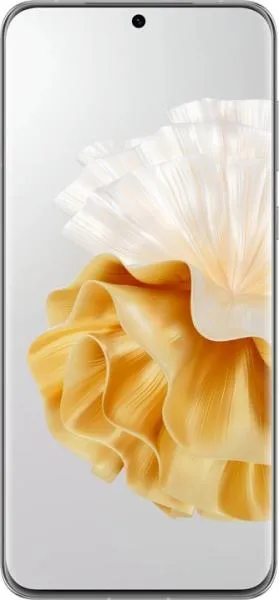
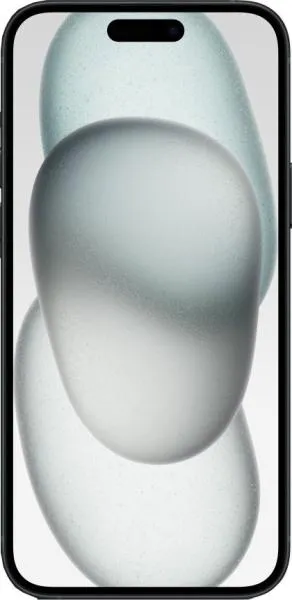
| Feature | Huawei P60 Pro | Apple iPhone 15 Plus | Practical Impact |
|---|---|---|---|
| Design | |||
| Dimensions (mm) | 161 x 74.5 x 8.3 | 160.9 x 77.8 x 7.8 | iPhone 15 Plus is slightly wider but thinner. Negligible difference in daily use. |
| Weight (g) | 200 | 201 | Virtually identical weight. |
| Build | Glass front, aluminum frame | Missing build material for Huawei. | |
| Display | |||
| Size (inches) | 6.67 | 6.7 | Negligible size difference. |
| Resolution (px) | 1220 x 2700 | 1290 x 2796 | iPhone has a slightly sharper display due to higher pixel density. |
| Type | LTPO OLED | Super Retina XDR OLED | Both are high-quality OLED displays, but LTPO allows for dynamic refresh rate on the Huawei, potentially saving battery. |
| Refresh Rate (Hz) | 120 | Not specified | Huawei's 120Hz offers smoother scrolling and animations. Unknown if iPhone 15 Plus supports ProMotion (adaptive refresh rate up to 120Hz). |
| Peak Brightness (nits) | Not specified | 2000 | iPhone's higher peak brightness ensures better visibility in direct sunlight. Missing peak brightness for Huawei makes direct comparison difficult. |
| Performance | |||
| Chipset | Qualcomm Snapdragon 8+ Gen 1 4G (4 nm) | Apple A16 Bionic (4 nm) | A16 generally benchmarks higher in terms of CPU and GPU performance. |
| CPU | Octa-core | Hexa-core | Both are powerful CPUs, but architectural differences make direct clock speed comparisons misleading. |
| RAM (GB) | 8/12 | 6 | Huawei offers configurations with more RAM, potentially benefiting multitasking. |
| OS | Not specified | iOS 17 | Missing OS details for Huawei hinders comparison. iOS is known for its optimization and long-term support. |
| Camera | |||
| Main Camera (MP) | 48 | 48 | Both have high-resolution main sensors. |
| Aperture | f/1.4 - f/4.0 | f/1.6 | Huawei's wider aperture range allows for more versatility in controlling depth of field. |
| Telephoto | Yes (Periscope) | No dedicated telephoto; digital zoom up to 5x | Huawei offers superior optical zoom capabilities. |
| DXOMARK Score | 156 | 145 | Huawei scores higher overall, suggesting better image quality based on DXOMARK's testing methodology. |
| Battery | |||
| Capacity (mAh) | 4815 | 4383 | Huawei has a larger battery capacity, potentially leading to longer battery life. |
| Fast Charging (W) | 88 | 20 | Huawei offers significantly faster wired charging. |
2. Key Differences Analysis
Huawei P60 Pro Advantages:
- Superior Camera System: Notably better zoom capabilities and a higher DXOMARK score. Variable aperture offers more creative control.
- Larger Battery & Faster Charging: Longer potential battery life and significantly faster charging speeds.
- Higher RAM Options: Configurations with more RAM can improve multitasking performance.
- LTPO Display: Enables dynamic refresh rate adjustment, potentially optimizing battery life.
Apple iPhone 15 Plus Advantages:
- Potentially More Powerful Chipset: A16 Bionic generally benchmarks higher than Snapdragon 8+ Gen 1.
- Brighter Display: Better visibility in direct sunlight.
- Established OS Ecosystem: iOS known for its simplicity, optimization, and robust app ecosystem.
- 5G Connectivity: Offers faster cellular data speeds compared to Huawei's 4G.
Trade-offs:
- Huawei lacks 5G connectivity due to ongoing restrictions.
- iPhone 15 Plus has a less versatile camera system, particularly in terms of zoom capabilities.
- iPhone's base model has less RAM than Huawei's, potentially impacting multitasking.
3. User Profiles & Recommendations
Huawei P60 Pro: Ideal for photography enthusiasts, users prioritizing battery life and fast charging, and those who value a smooth display. Excels in low-light photography, capturing distant subjects, and all-day usage without frequent charging.
Apple iPhone 15 Plus: Suitable for users prioritizing performance, a bright display, seamless integration within the Apple ecosystem, and reliable software updates. Excels in general tasks, gaming, and consuming media.
4. Decision Framework
Key Questions for Buyers:
- Is 5G connectivity essential? If yes, the iPhone 15 Plus is the only option.
- What is your priority: camera quality or overall performance? Huawei excels in camera technology, while iPhone offers generally better processing power.
- How important is battery life and charging speed? Huawei significantly outperforms the iPhone in this area.
My Choice: Apple iPhone 15 Plus
While the Huawei P60 Pro boasts a superior camera and battery system, the lack of 5G is a significant drawback for me. I rely heavily on fast and reliable mobile data, making 5G a necessity. Additionally, the iOS ecosystem's seamless integration with other Apple devices and its long-term software support are compelling factors. While I appreciate the Huawei's camera prowess, the iPhone 15 Plus's overall performance, 5G capability, and the broader ecosystem advantages outweigh the benefits offered by the P60 Pro for my personal needs. Finally, while the benchmark numbers favor the A16, real-world performance differences are likely negligible for average users.
