1. Specifications Comparison
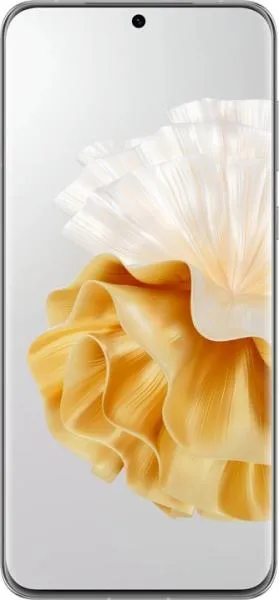
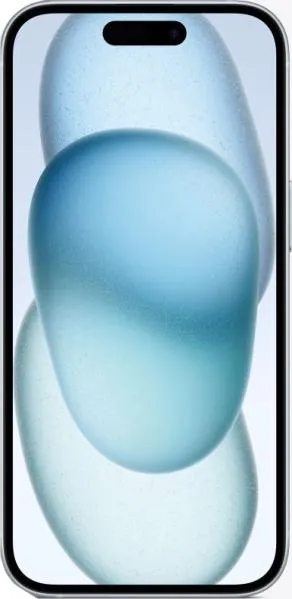
| Feature | Huawei P60 Pro | Apple iPhone 15 | Practical Impact |
|---|---|---|---|
| Design | |||
| Dimensions (mm) | 161 x 74.5 x 8.3 | 147.6 x 71.6 x 7.8 | iPhone 15 is noticeably smaller and thinner, making it more pocketable and easier to handle. |
| Weight (g) | 200 | 171 | The iPhone 15 is significantly lighter, reducing hand fatigue during extended use. |
| Build | Not specified | Not specified | Build quality impacts durability and premium feel. Lack of information prevents comparison. |
| Display | |||
| Display Size (inches) | 6.67 | 6.1 | P60 Pro offers a larger screen for more immersive media consumption and multitasking, while the iPhone 15's smaller size enhances one-handed usability. |
| Resolution | 1220 x 2700 | 1179 x 2556 | Both offer sharp displays, but the P60 Pro's slightly higher resolution might provide marginally better detail. |
| Display Type | LTPO OLED | Super Retina XDR OLED | Both use high-quality OLED panels with vibrant colors and deep blacks. LTPO on the P60 Pro allows for dynamic refresh rate adjustment, potentially saving battery. iPhone boasts higher peak brightness (2000 nits vs. unspecified for P60 Pro), improving outdoor visibility. |
| Refresh Rate | 120Hz | Unspecified | 120Hz on the P60 Pro delivers smoother scrolling and animations compared to a standard 60Hz (assuming iPhone 15 is standard). |
| Performance | |||
| Chipset | Snapdragon 8+ Gen 1 4G | Apple A16 Bionic | A16 is generally considered more powerful, especially in GPU performance, leading to faster app loading, smoother gaming, and better multitasking. However, real-world difference may vary. |
| RAM | 8GB/12GB | 6GB | While more RAM often benefits multitasking, iOS's memory management is highly optimized, so 6GB on the iPhone 15 can still be very efficient. |
| OS | Unspecified | iOS 17 | OS preference is subjective. iOS is known for its simplicity and app ecosystem, while Huawei's OS (assumed to be HarmonyOS) offers different features and customization options. |
| Camera | |||
| Main Camera | 48MP, f/1.4 | 48MP, f/1.6 | Both have high-resolution main sensors. P60 Pro's wider aperture potentially allows for better low-light performance. |
| Telephoto | 48MP, f/2.1, 3.5x Optical Zoom | No dedicated telephoto lens specified | P60 Pro offers significantly better zoom capabilities. iPhone 15 relies on digital zoom from its main sensor. |
| Video | Up to 4K@60fps with EIS | Up to 4K@60fps with HDR, Dolby Vision | Both offer excellent video recording capabilities. iPhone 15 supports Dolby Vision HDR for richer video quality. |
| Battery | |||
| Capacity | 4815 mAh | 3349 mAh (Listed as 3877mAh but labeled as rumored) | P60 Pro has significantly larger battery capacity, likely translating to longer battery life. |
| Charging | 88W Wired, 50W Wireless | 20W Wired, 15W MagSafe Wireless | P60 Pro offers substantially faster wired and wireless charging. |
2. Key Differences Analysis
Huawei P60 Pro Advantages:
- Superior Battery Life and Charging: Significantly larger battery and much faster charging speeds.
- Better Zoom Capabilities: Dedicated telephoto lens with 3.5x optical zoom.
- Larger Display: More immersive experience for media consumption and multitasking.
Apple iPhone 15 Advantages:
- More Powerful Chipset: A16 Bionic generally outperforms Snapdragon 8+ Gen 1, particularly in graphics.
- Premium Ecosystem: iOS offers a seamless user experience with tight hardware-software integration and a vast app ecosystem.
- Smaller and Lighter: More comfortable for one-handed use and portability.
- Dolby Vision HDR Video Recording: Enables capturing videos with wider dynamic range and richer colors.
3. User Profiles & Recommendations
Huawei P60 Pro: Ideal for users who prioritize battery life, camera zoom capabilities, and a large display. Heavy users, photographers, and videographers would benefit.
Apple iPhone 15: Suitable for users who value performance, a smooth user experience within the Apple ecosystem, a compact form factor, and high-quality video recording. Users prioritizing portability and seamless integration with other Apple devices would prefer this.
4. Decision Framework
Key Questions for Buyers:
- How important is battery life and charging speed?
- Do you prioritize camera zoom capabilities or overall processing power?
- Which operating system and ecosystem do you prefer?
Scenario-Based Recommendations:
- Heavy user needing all-day battery: Huawei P60 Pro
- Gamer seeking top performance: iPhone 15
- Photographer requiring versatile zoom: Huawei P60 Pro
- User deeply invested in Apple ecosystem: iPhone 15
My Choice: Apple iPhone 15
While the Huawei P60 Pro offers compelling features like a larger battery and better zoom capabilities, I would choose the Apple iPhone 15. The A16 Bionic chip's superior performance, especially for demanding tasks and gaming, is a significant factor for me. iOS's smooth user experience, app ecosystem, and seamless integration with other Apple devices are also crucial considerations in my decision. Although the battery is smaller, the performance and ecosystem benefits outweigh the trade-off for my personal usage. I value a responsive and powerful device integrated within a familiar ecosystem more than a larger screen or longer battery life. Additionally, the more compact form factor appeals to me. Ultimately, this choice reflects my individual priorities and usage patterns.
