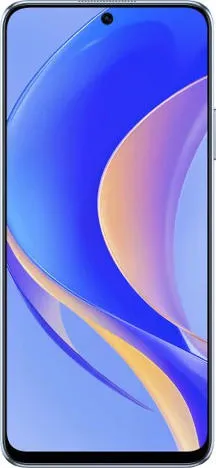
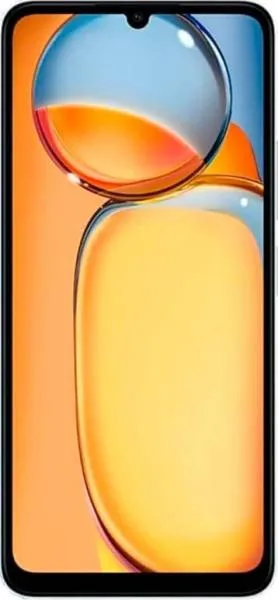
Huawei nova Y90 vs. Xiaomi Redmi 13C: A Deep Dive
Let's dissect the Huawei nova Y90 and Xiaomi Redmi 13C, two compelling contenders in the mid-range smartphone arena. We'll go beyond the spec sheet, translating technical jargon into real-world implications for everyday users.
1. Specifications Breakdown
| Feature | Huawei nova Y90 | Xiaomi Redmi 13C | Real-World Implications |
|---|---|---|---|
| Design | |||
| Dimensions (mm) | 163.3 x 74.7 x 8.4 | 168 x 78 x 8.1 | Redmi 13C is slightly larger and thicker. Nova Y90 might feel a tad more compact in hand. |
| Weight (g) | 195 | 192 | Negligible weight difference; both feel substantial without being overly heavy. |
| Display | |||
| Size (inches) | 6.7 | 6.74 | Virtually identical screen real estate. |
| Resolution | 1080 x 2388 | 720 x 1600 | Nova Y90 boasts significantly sharper visuals due to higher pixel density (391 ppi vs. 260 ppi). |
| Refresh Rate (Hz) | 90 | 90 | Both offer smooth scrolling and animations. |
| Panel Type | IPS LCD | IPS LCD | Expect vibrant colors and good viewing angles, but potentially less contrast than AMOLED displays. |
| Performance | |||
| Chipset | Snapdragon 680 | Helio G85 | Both are capable mid-range chipsets, but Snapdragon 680 generally offers better power efficiency. |
| CPU | Octa-core (4x2.4 GHz & 4x1.9 GHz) | Octa-core (2x2.0 GHz & 6x1.8 GHz) | Comparable CPU performance for everyday tasks; Helio G85 might have a slight edge in gaming. |
| GPU | Adreno 610 | Mali-G52 MC2 | Adreno 610 tends to deliver smoother graphics performance in demanding games. |
| RAM (GB) | 8 | 4 | Nova Y90's larger RAM enables better multitasking and app switching. |
| Camera | |||
| Main Camera (MP) | 50 | 50 | Both feature a 50MP primary sensor, promising detailed photos. |
| Selfie Camera (MP) | 8 | 8 | Similar selfie camera resolution. |
| Battery Life | |||
| Capacity (mAh) | 5000 | 5000 | Identical battery capacity, suggesting similar potential for all-day usage. |
| Fast Charging | 40W | 18W | Nova Y90 charges significantly faster, minimizing downtime. |
2. Key Insights
The Huawei nova Y90 shines with its superior display sharpness, faster charging, and larger RAM. This translates to a more visually immersive experience, quicker top-ups, and smoother multitasking. The Snapdragon 680 also hints at better battery life compared to the Redmi 13C.
The Xiaomi Redmi 13C, while sporting a lower resolution display and slower charging, offers a highly competitive price point. It's a budget-friendly option that doesn't compromise on essentials like a large battery and a capable processor. Notably, it also offers expandable storage, a feature missing in the Nova Y90.
3. User Profiles and Recommendations
Nova Y90: Ideal for users who prioritize display quality, smooth performance, and fast charging. Excellent for media consumption, gaming, and multitasking.
Redmi 13C: Best suited for budget-conscious users who need a reliable device for everyday communication, social media, and light gaming. A great option for students or those seeking a secondary phone.
4. Buying Decision Framework
Questions to Ask:
- What's your budget? Redmi 13C wins on affordability.
- Is display quality a priority? Nova Y90's sharper screen offers a noticeable advantage.
- How important is fast charging? Nova Y90 significantly outpaces the Redmi 13C in charging speed.
My Choice: Huawei nova Y90
While the Redmi 13C offers incredible value, I'd choose the Huawei nova Y90. The sharper display, noticeably faster charging, more powerful GPU for gaming, and extra RAM for smoother multitasking are significant advantages for my daily workflow. I value a responsive and visually engaging experience, and the nova Y90 delivers on those fronts. The slightly higher price is justified by these tangible benefits in my opinion. The lack of expandable storage is a downside, but cloud storage solutions can easily address this limitation.
