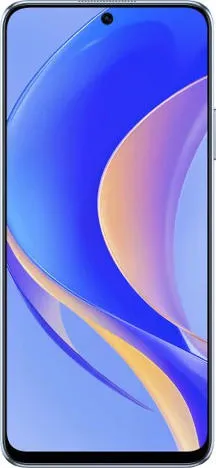
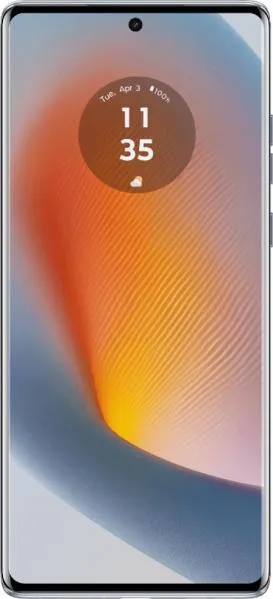
Huawei nova Y90 vs. Motorola Edge 50 Fusion: A Deep Dive
Let's dissect the Huawei nova Y90 and the Motorola Edge 50 Fusion, translating their spec sheets into real-world experiences. We'll uncover which phone reigns supreme and for whom.
1. Specifications Breakdown
| Feature | Huawei nova Y90 | Motorola Edge 50 Fusion | Real-World Implications |
|---|---|---|---|
| Design | |||
| Dimensions (mm) | 163.3 x 74.7 x 8.4 | 161.9 x 73.1 x 7.9 | Edge 50 Fusion is slightly smaller and lighter, potentially more comfortable for one-handed use. |
| Weight (g) | 195 | 174.9 | Noticeable difference in hand; Edge 50 Fusion feels less bulky. |
| Display | |||
| Type | IPS LCD, 90Hz | P-OLED, 120/144Hz | Edge 50 Fusion: Deeper blacks, more vibrant colors, smoother scrolling due to higher refresh rate. |
| Size | 6.7" | 6.7" | Both offer large, immersive screens. |
| Resolution | 1080 x 2388 | 1080 x 2400 | Virtually identical sharpness; difference negligible to the naked eye. |
| Performance | |||
| Chipset | Snapdragon 680 4G | Snapdragon 7s Gen 2 5G | Edge 50 Fusion: Significantly faster CPU and GPU, enabling smoother multitasking and gaming, future-proof 5G. |
| RAM | 8GB | 8GB | Sufficient for most tasks on both phones. |
| OS | EMUI (no Google) | Android 14 | Edge 50 Fusion: Access to the Google Play Store and its vast app ecosystem. |
| Camera | |||
| Main Camera | 50MP | 50MP (OIS) | Edge 50 Fusion: Likely better low-light performance and sharper images due to Optical Image Stabilization. |
| Selfie Camera | 8MP | 32MP | Edge 50 Fusion: Much higher resolution for significantly better selfies. |
| Video | 1080p@30fps | 4K@30fps | Edge 50 Fusion: Higher resolution video recording capabilities. |
| Battery Life | |||
| Capacity | 5000mAh | 5000mAh | Similar battery capacity, expected similar longevity depending on usage. |
| Charging | 40W | 68W | Edge 50 Fusion: Noticeably faster charging speeds. |
2. Key Insights
The Motorola Edge 50 Fusion emerges as the clear winner in terms of performance, display, camera, and overall future-proofing thanks to 5G connectivity and newer Android OS with guaranteed updates. Its superior processor, OLED display with a higher refresh rate, optically stabilized main camera, and faster charging provide a tangible advantage in daily use. The higher-resolution selfie camera is a bonus for social media enthusiasts.
The Huawei nova Y90, however, might appeal to budget-conscious users. While it lacks the raw power and features of the Edge 50 Fusion, it still offers a large display, ample battery life, and decent camera capabilities for casual photography. The biggest drawback is the lack of Google Mobile Services, severely limiting app access.
3. User Profiles and Recommendations
Motorola Edge 50 Fusion: Ideal for users who prioritize performance, a vibrant display, a capable camera, future-proof connectivity, and access to the full Android ecosystem. Gamers, photographers, and heavy multitaskers will appreciate its capabilities.
Huawei nova Y90: Best suited for users on a tight budget who prioritize basic functionality and are comfortable navigating the limitations of a device without Google services. This might involve sideloading apps or relying on Huawei's AppGallery, which can be a significant hurdle for many users.
4. Buying Decision Framework
- Is access to Google Play Store essential? If yes, the Motorola Edge 50 Fusion is the only option.
- What is your budget? The Huawei nova Y90 is likely more affordable.
- Do you prioritize performance and future-proofing? If so, the Motorola Edge 50 Fusion's superior processor, 5G connectivity, and updated software are compelling reasons to choose it.
My Choice: I would choose the Motorola Edge 50 Fusion. While potentially slightly more expensive, the access to Google Play Store, the significantly improved performance, the vibrant OLED display with a faster refresh rate, the superior camera system, and faster charging make it a far more compelling device for long-term use. The lack of Google services alone is a deal-breaker for me on the Huawei nova Y90. The performance difference between the Snapdragon 680 and the Snapdragon 7s Gen 2 would also impact daily use, making the Edge 50 Fusion a more fluid and enjoyable experience.
