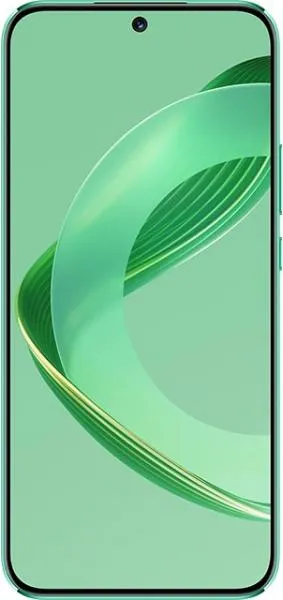

1. Specifications Comparison
| Feature | Huawei nova 11 | ZTE nubia Z60 Ultra | Practical Impact |
|---|---|---|---|
| Design | |||
| Dimensions (mm) | 161.3 x 75 x 6.9 | 164 x 76.4 x 8.8 | The Nova 11 is significantly thinner and lighter, making it more pocketable and comfortable for one-handed use. The Z60 Ultra is larger and heavier, potentially feeling bulky. |
| Weight (g) | 168 | 246 | |
| Display | |||
| Size (inches) | 6.7 | 6.8 | Negligible difference in screen real estate. |
| Resolution (px) | 1084 x 2412 | 1116 x 2480 | Both offer sharp displays with similar pixel densities. |
| Type | OLED, 120Hz | AMOLED, 120Hz | Both offer smooth scrolling and animations thanks to the 120Hz refresh rate. AMOLED generally offers better contrast and deeper blacks. |
| Peak Brightness (nits) | 950 | 1500 | The Z60 Ultra offers significantly higher peak brightness, ensuring better visibility in direct sunlight. |
| Performance | |||
| Chipset | Snapdragon 778G 4G | Snapdragon 8 Gen 3 | The 8 Gen 3 in the Z60 Ultra is a flagship processor, offering significantly better performance for demanding tasks like gaming and video editing compared to the mid-range 778G in the Nova 11. |
| RAM (GB) | 8 | 12 (in the compared variant) | The Z60 Ultra offers more RAM, enabling better multitasking and smoother performance with multiple apps open. |
| Storage (GB) | 256 | 256 | Both phones offer the same storage in the compared variants. The Z60 Ultra offers options for significantly higher storage though. |
| Camera | |||
| Main Camera (MP) | 50 | 54 | Both offer high-resolution main cameras. The Z60 Ultra boasts a larger sensor (Sony IMX800) likely capturing more light and detail. |
| Ultrawide (MP) | 8 | 50 | The Z60 Ultra drastically outperforms the Nova 11 in ultrawide capabilities with a much higher resolution sensor. |
| Telephoto (MP) | None | 64 | The Z60 Ultra offers a dedicated telephoto lens for optical zoom, absent in the Nova 11. |
| Selfie (MP) | 60 | 12 | The Nova 11 has a significantly higher resolution selfie camera. However, megapixel count doesn't guarantee better image quality; sensor size and processing are crucial. |
| Video | 720p@960fps | 8K@30fps | The Z60 Ultra supports significantly higher video resolution, offering more detailed footage. |
| Battery | |||
| Capacity (mAh) | 4500 | 6000 | The Z60 Ultra has a much larger battery, likely translating to significantly longer battery life. |
| Charging Speed | Not specified | Not specified | Cannot compare charging speeds without more information. |
2. Key Differences Analysis
Huawei Nova 11 Advantages:
- Lighter and thinner: More comfortable for one-handed use and portability.
- Higher resolution selfie camera: Potentially better for detailed selfies, but image quality depends on other factors.
- Potentially Lower Price: Given the specs, it likely falls in a more affordable price bracket.
ZTE nubia Z60 Ultra Advantages:
- Significantly more powerful processor: Superior performance for demanding tasks and gaming.
- Larger battery: Longer battery life.
- More RAM: Smoother multitasking and performance.
- Superior camera system: Higher resolution ultrawide and telephoto lenses, larger main sensor, and 8K video recording.
- Brighter Display: Much better outdoor visibility.
- Faster Charging: USB 3.1 supports faster data transfer and potentially faster charging, though specific charging speeds aren't provided.
3. User Profiles & Recommendations
Huawei Nova 11: Suitable for users who prioritize a lightweight and slim phone for everyday tasks like social media, browsing, and casual photography. Budget-conscious users will also find it appealing.
ZTE nubia Z60 Ultra: Ideal for power users, gamers, and photography enthusiasts who demand top-tier performance, a long-lasting battery, and a versatile camera system.
4. Decision Framework
Key Questions for Buyers:
- What is your budget? The Nova 11 is likely more affordable.
- What are your primary use cases? Gaming, photography, and demanding tasks favor the Z60 Ultra. Casual use favors the Nova 11.
- How important is portability and one-handed use? The Nova 11 excels in this area.
My Choice: ZTE nubia Z60 Ultra
While the Huawei Nova 11 offers a compelling lightweight design, the ZTE nubia Z60 Ultra is the clear winner for me. The significantly superior performance of the Snapdragon 8 Gen 3, coupled with the larger battery, vastly improved camera system (especially the ultrawide and telephoto lenses), brighter display, and faster data transfer capabilities of USB 3.1 make it a much more versatile and future-proof device. I prioritize performance, battery life, and camera quality, making the Z60 Ultra the better choice despite its larger size and weight. The price difference is justifiable considering the substantial performance and feature gap.
