1. Specifications Comparison
| Feature | Huawei nova 11 | ZTE Blade V60 Design | Practical Impact |
|---|---|---|---|
| Design | |||
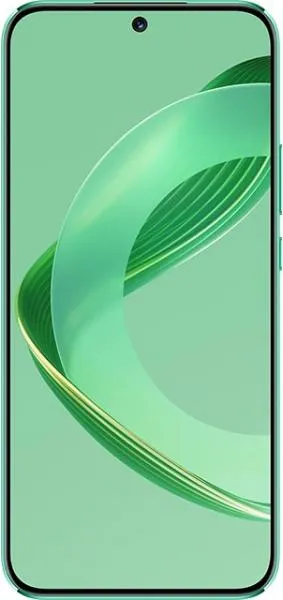
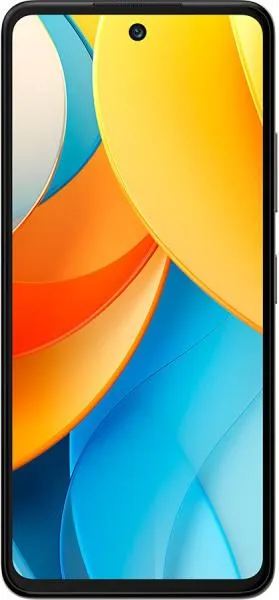
| Dimensions (mm) | 161.3 x 75 x 6.9 | 164.2 x 75.3 x 8.6 | The Nova 11 is significantly thinner and slightly shorter. More pocketable and comfortable to hold. |
| Weight (g) | 168 | 198 | The Nova 11 is noticeably lighter, reducing hand fatigue during extended use. |
| Build Material | Missing | Missing | Material impacts durability and premium feel. Unable to compare without this information. |
| Display | |||
| Display Type | OLED | IPS LCD | OLED offers superior contrast, deeper blacks, and wider viewing angles, resulting in a more vibrant and immersive visual experience. |
| Display Size (inches) | 6.7 | 6.6 | Negligible size difference. |
| Resolution | 1084 x 2412 | 720 x 1612 | The Nova 11 has a much sharper display (391 ppi vs 267 ppi), resulting in significantly clearer text and images. |
| Refresh Rate (Hz) | 120 | 90 | The Nova 11's higher refresh rate provides smoother animations and scrolling, leading to a more fluid user experience. |
| Performance | |||
| Chipset | Snapdragon 778G 4G (6nm) | Unisoc T606 (12nm) | The Snapdragon 778G is significantly more powerful, enabling smoother multitasking, faster app loading, and better gaming performance. |
| CPU | Octa-core (4x2.4 GHz & 4x1.8 GHz) | Octa-core (2x1.6 GHz & 6x1.6 GHz) | The Nova 11's CPU offers higher clock speeds, translating to faster processing in demanding tasks. |
| GPU | Adreno 642L | Mali-G57 MP1 | The Adreno 642L is a more capable GPU, delivering smoother graphics in games and visually demanding applications. |
| RAM | 8GB | 4GB/6GB | More RAM on the Nova 11 allows for better multitasking and smoother performance with multiple apps open. |
| Camera | |||
| Main Camera (MP) | 50 | 50 | Megapixel count is similar, but image quality depends on sensor size and processing, which is not fully detailed here. |
| Selfie Camera (MP) | 60 | 8 | The Nova 11 has a significantly higher resolution selfie camera, potentially capturing more detailed self-portraits. |
| Video Recording | 720p@960fps with EIS | 1080p@30fps | The Nova 11 offers super slow-motion video recording, but surprisingly only at 720p. The Blade V60 records at a standard 1080p at 30fps. |
| Battery | |||
| Capacity (mAh) | 4500 | 5000 | The Blade V60 has a larger battery capacity, potentially offering longer battery life. However, actual usage depends on software optimization and other factors. |
2. Key Differences Analysis
Huawei nova 11 Advantages:
- Significantly better performance: The Snapdragon 778G and higher RAM provide a much smoother and faster user experience.
- Superior Display: The OLED display with a 120Hz refresh rate offers a dramatically better visual experience.
- Sharper Display: Higher resolution leads to clearer text and images.
- Thinner and Lighter Design: More comfortable to hold and carry.
- Higher Resolution Selfie Camera: Better for self-portraits and video calls.
ZTE Blade V60 Design Advantages:
- Larger Battery Capacity: Potentially longer battery life, though real-world usage varies.
- Lower Price: Significantly more affordable.
Trade-offs:
- The Nova 11 sacrifices battery capacity for a slimmer design and superior performance.
- The Blade V60 compromises performance and display quality for affordability.
3. User Profiles & Recommendations
Huawei nova 11: Users who prioritize performance, display quality, a premium design, and a good selfie camera. Suitable for gaming, media consumption, and demanding tasks.
ZTE Blade V60 Design: Budget-conscious users who prioritize basic functionality and long battery life. Suitable for light usage, calls, texting, and web browsing.
4. Decision Framework
Key Questions:
- What is your budget? The Blade V60 Design is significantly cheaper.
- What are your primary smartphone uses? Gaming and media consumption benefit from the Nova 11's superior performance and display.
- How important is battery life? The Blade V60 Design's larger battery may be crucial for heavy users.
My Choice: Huawei nova 11
While the ZTE Blade V60 Design offers a tempting price, the Huawei nova 11's superior performance, stunning display, and premium design make it the clear winner for me. I prioritize a smooth and enjoyable user experience, and the Snapdragon 778G, coupled with the 120Hz OLED display, delivers that in spades. The slimmer and lighter form factor is also a big plus. While the Blade V60 Design might offer longer battery life, I'm willing to compromise slightly in that area for the significant gains in overall performance and user experience. The price difference is substantial, but the Nova 11 offers a significantly better value proposition for my needs.
