
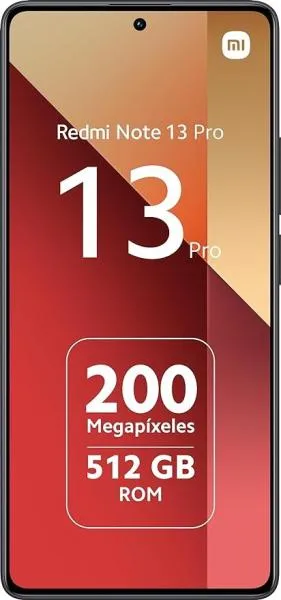
1. Specifications Comparison
| Feature | Huawei nova 11 | Xiaomi Redmi Note 13 Pro 4G | Practical Impact |
|---|---|---|---|
| Design | |||
| Dimensions (mm) | 161.3 x 75 x 6.9 | 161.1 x 75 x 8 | Nova 11 is slightly thinner and lighter. |
| Weight (g) | 168 | 188 | Noticeably lighter in hand; prolonged use comfort for Nova 11. |
| Display | |||
| Type | OLED | AMOLED | Both offer vibrant colors and deep blacks. Negligible real-world difference for most users. |
| Size (inches) | 6.7 | 6.67 | Virtually identical screen real estate. |
| Resolution | 1084 x 2412 | 1080 x 2400 | Similar sharpness; differences are imperceptible to the naked eye. |
| Refresh Rate (Hz) | 120 | 120 | Both offer smooth scrolling and animations. |
| Peak Brightness (nits) | 950 | 1300 | Redmi Note 13 Pro offers significantly better outdoor visibility. |
| Performance | |||
| Chipset | Snapdragon 778G 4G | Helio G99 Ultra | 778G generally provides better gaming and overall performance compared to the G99. |
| CPU | Octa-core (4x2.4 GHz Kryo 670 & 4x1.8 GHz Kryo 670) | Octa-core (2x2.2 GHz Cortex-A76 & 6x2.0 GHz Cortex-A55) | 778G's superior architecture and clock speeds result in faster app loading, smoother multitasking, and better handling of demanding tasks. |
| GPU | Adreno 642L | Mali-G57 MC2 | Adreno 642L generally offers better graphics performance for gaming. |
| RAM (GB) | 8 | 8/12 | Redmi offers a 12GB RAM option for even smoother multitasking, especially beneficial for power users. |
| Camera | |||
| Main Camera (MP) | 50 | 200 | Redmi boasts higher resolution, potentially capturing more detail. However, sensor size and processing play a crucial role in final image quality, which can't be fully assessed with the provided data. |
| Ultrawide (MP) | 8 | 8 | Similar ultrawide capabilities on paper. |
| Selfie Camera (MP) | 60 | 16 | Nova 11 has a much higher resolution selfie camera, likely resulting in more detailed selfies. |
| Video Recording | 720p@960fps with EIS | 1080p@60fps | Nova 11 offers super slow-motion video; Redmi offers higher resolution standard video recording. |
| Battery | |||
| Capacity (mAh) | 4500 | 5000 | Redmi Note 13 Pro likely offers longer battery life. |
| OS | Not specified | Android 13 | Lack of OS information for Nova 11 hinders comprehensive comparison. |
2. Key Differences Analysis
Huawei nova 11 Advantages:
- Lighter and Slimmer: More comfortable for one-handed use and extended periods.
- Higher Resolution Selfie Camera: Potentially better quality selfies.
- Super Slow-Motion Video: Unique creative option for video recording.
- Generally Better Performance: Smoother gaming and multitasking due to the Snapdragon 778G.
Xiaomi Redmi Note 13 Pro 4G Advantages:
- Brighter Display: Superior outdoor visibility.
- Larger Battery: Potentially longer battery life.
- Higher Resolution Main Camera: Potential for more detailed photos.
- Higher RAM Option: 12GB option available for power users.
- Specified OS: Provides clarity on the software experience.
3. User Profiles & Recommendations
Huawei nova 11: Users prioritizing a lightweight, stylish design, excellent selfie capabilities, and good overall performance. Suitable for:
- Social media enthusiasts
- Casual gamers
- Users who value portability
Xiaomi Redmi Note 13 Pro 4G: Users who prioritize battery life, a bright display, and a high-resolution main camera. Suitable for:
- Heavy smartphone users
- Users who consume a lot of media
- Mobile photographers who prioritize resolution
4. Decision Framework
Key Questions for Buyers:
- What is your budget? Both are mid-range, but Redmi Note 13 Pro might offer more storage/RAM configurations at various price points.
- What are your photography priorities? High-resolution main camera vs. high-resolution selfie camera and slow-motion video.
- How important is battery life and outdoor visibility? Redmi excels in these areas.
My Choice: Xiaomi Redmi Note 13 Pro 4G
While the Huawei Nova 11 offers a sleeker design and better performance, the Xiaomi Redmi Note 13 Pro 4G provides a more well-rounded package for my needs. The significantly brighter display, larger battery, and the option for 12GB RAM are compelling advantages. Although the main camera comparison requires more information (sensor size, image processing capabilities), the 200MP resolution offers potential benefits. The lack of clear OS information for the Nova 11 is concerning. Ultimately, the Redmi Note 13 Pro 4G's combination of practical features, confirmed OS, and potential value proposition makes it the more appealing choice for me. A confirmed Android OS with future updates is also a significant advantage for long-term use.
