
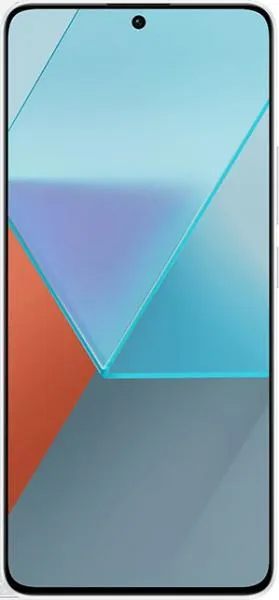
1. Specifications Comparison
| Feature | Huawei nova 11 | Xiaomi Redmi Note 13 Pro | Practical Impact |
|---|---|---|---|
| Design | |||
| Dimensions (mm) | 161.3 x 75 x 6.9 | 161.2 x 74.2 x 8 | Redmi Note 13 Pro is slightly thicker and heavier. Nova 11 is more pocketable. |
| Weight (g) | 168 | 187 | Noticeable weight difference; Nova 11 is significantly lighter for extended use. |
| Display | |||
| Size (inches) | 6.7 | 6.67 | Negligible size difference. |
| Resolution (px) | 1084 x 2412 | 1220 x 2712 | Redmi Note 13 Pro has a sharper, more detailed display. |
| Type | OLED | AMOLED | Both offer excellent contrast and vibrant colors; AMOLED generally boasts slightly better power efficiency. |
| Refresh Rate (Hz) | 120 | 120 | Both offer smooth scrolling and animations. |
| Peak Brightness (nits) | 950 | 1800 | Redmi Note 13 Pro's significantly higher peak brightness ensures better outdoor visibility. |
| Performance | |||
| Chipset | Snapdragon 778G 4G | Snapdragon 7s Gen 2 | Both are mid-range chipsets, but benchmarks suggest the 7s Gen 2 offers slightly improved performance. Real-world difference might be minimal. |
| CPU | Octa-core (Kryo 670) | Octa-core (Cortex A78/A55) | Specific core configurations suggest the 7s Gen 2 might have better sustained performance. |
| GPU | Adreno 642L | Adreno 710 | Adreno 710 delivers noticeably better graphics performance, beneficial for gaming. |
| RAM (GB) | 8 | 8/12 | Redmi offers configurations with more RAM, improving multitasking and app loading times in demanding scenarios. |
| OS | Not specified | Android 13 | Lack of OS information for Nova 11 hinders comprehensive comparison. Assuming it runs HarmonyOS, this constitutes a significant difference in the user experience. |
| Camera | |||
| Main Camera (MP) | 50 | 200 | Redmi Note 13 Pro boasts significantly higher resolution, potentially capturing more detail. Practical image quality depends on sensor and processing. |
| Selfie Camera (MP) | 60 | 16 | Nova 11 has a much higher resolution selfie camera. |
| Video | 720p@960fps | 4K@30fps | Redmi Note 13 Pro offers higher resolution video recording. Nova 11's high frame rate slow-mo might appeal to specific users. |
| Battery | |||
| Capacity (mAh) | 4500 | 5100 | Redmi Note 13 Pro offers longer battery life. |
2. Key Differences Analysis
Huawei nova 11 Advantages:
- Lighter and slimmer design: More comfortable for one-handed use and portability.
- Higher resolution selfie camera: Better for detailed self-portraits and video calls.
- High frame rate slow-motion video: Unique creative option for capturing fast action.
Xiaomi Redmi Note 13 Pro Advantages:
- Sharper, brighter display: Enhanced visual experience, especially outdoors.
- More powerful GPU: Smoother gaming and graphics-intensive tasks.
- Larger battery capacity: Longer usage time between charges.
- Higher resolution main camera: Potentially better image quality and detail.
- 5G connectivity: Faster data speeds and future-proof networking.
3. User Profiles & Recommendations
Huawei nova 11: Users prioritizing a lightweight, stylish design, excellent selfie capabilities, and unique slow-motion video features. Suitable for casual photography, social media, and everyday use.
Xiaomi Redmi Note 13 Pro: Users seeking a well-rounded phone with a strong focus on display quality, performance, battery life, and versatile camera capabilities. Ideal for mobile gaming, content consumption, and demanding users.
4. Decision Framework
Key Questions for Buyers:
- What is your budget and storage needs? Redmi Note 13 Pro offers more storage options and potentially better value due to 5G.
- Is gaming or demanding app usage a priority? Redmi Note 13 Pro's superior GPU and larger RAM options make it better suited for these tasks.
- How important is portability and one-handed use? Huawei nova 11's lighter and slimmer design will appeal to users who prioritize these aspects.
My Choice: Xiaomi Redmi Note 13 Pro
While the Huawei nova 11 offers a compelling lightweight design and impressive selfie camera, the Xiaomi Redmi Note 13 Pro is the better overall package for my needs. The significantly brighter and sharper display, more powerful GPU, larger battery, 5G connectivity, and the higher resolution main camera are crucial factors for my usage. The slightly heavier weight is a minor trade-off for the significant gains in other areas. The availability of Android OS also contributes significantly to my decision, as it offers a wider app ecosystem and greater customizability compared to HarmonyOS. Ultimately, the Redmi Note 13 Pro provides a more future-proof and versatile experience.
