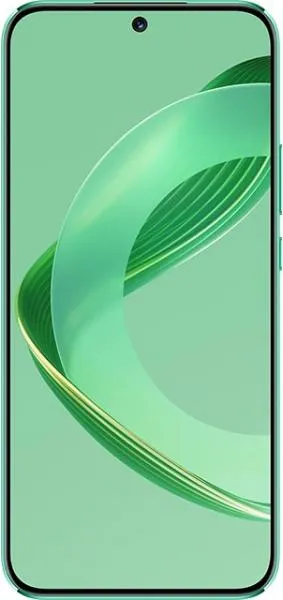
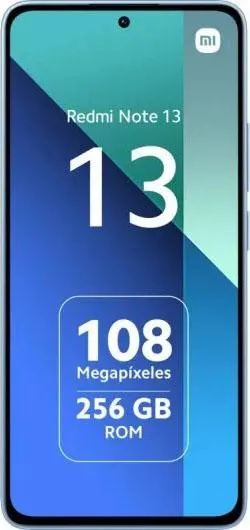
1. Specifications Comparison
| Feature | Huawei nova 11 | Xiaomi Redmi Note 13 4G | Practical Impact |
|---|---|---|---|
| Design | |||
| Dimensions (mm) | 161.3 x 75 x 6.9 | 162.3 x 75.6 x 8 | Nova 11 is slightly smaller and thinner, potentially more pocketable. Redmi Note 13 is slightly larger, potentially better grip. |
| Weight (g) | 168 | 188.5 | Nova 11 is noticeably lighter, reducing hand fatigue during extended use. |
| Display | |||
| Size (inches) | 6.7 | 6.67 | Negligible difference in screen real estate. |
| Resolution (px) | 1084 x 2412 | 1080 x 2400 | Virtually identical sharpness; both offer crisp visuals. |
| Type | OLED | AMOLED | Both offer vibrant colors and deep blacks. AMOLED generally consumes less power, especially with dark mode. |
| Refresh Rate (Hz) | 120 | 120 | Both offer smooth scrolling and animations. |
| Peak Brightness (nits) | 950 (unverified) | 1800 | Redmi Note 13's significantly higher peak brightness ensures better outdoor visibility. |
| Performance | |||
| Chipset | Snapdragon 778G 4G | Snapdragon 685 | 778G offers significantly better CPU and GPU performance, resulting in smoother multitasking, gaming, and faster app loading. |
| CPU | Octa-core (4x2.4 GHz & 4x1.8 GHz) | Octa-core (4x2.8 GHz & 4x1.9 GHz) | While Redmi has slightly higher clock speeds, 778G's architecture is superior, providing better overall performance. |
| GPU | Adreno 642L | Adreno 610 | 642L provides significantly better graphics performance for demanding games and applications. |
| RAM (GB) | 8 | 8 | Same RAM capacity should provide similar multitasking capabilities, but performance will be bottlenecked by the 685 in the Redmi. |
| Camera | |||
| Main Camera (MP) | 50 | 108 | Redmi Note 13 boasts higher resolution, potentially capturing more detail. However, sensor size and processing are crucial for image quality. |
| Selfie Camera (MP) | 60 | 16 | Nova 11 has a significantly higher resolution selfie camera. |
| Video | 720p@960fps | 1080p@30fps | Nova 11 offers super slow-motion capabilities, but Redmi Note 13 offers higher resolution standard video recording. |
| Battery | |||
| Capacity (mAh) | 4500 | 5000 | Redmi Note 13 has a larger battery capacity, likely resulting in longer battery life. |
2. Key Differences Analysis
Huawei nova 11 Advantages:
- Significantly better performance: The Snapdragon 778G outperforms the Snapdragon 685 in CPU and GPU tasks. This translates to a smoother, faster overall experience, particularly noticeable in demanding applications and games.
- Lighter and slimmer design: More comfortable for one-handed use and carrying in pockets.
- Higher resolution selfie camera: Better for video calls and self-portraits.
- Super slow-motion video: Offers a unique creative option for video recording.
Xiaomi Redmi Note 13 4G Advantages:
- Larger battery capacity: Potentially longer battery life, reducing the need for frequent charging.
- Higher resolution main camera: Potentially capturing more detail in photos.
- Higher peak display brightness: Improved outdoor visibility in direct sunlight.
- Lower price: Offers a more budget-friendly option.
3. User Profiles & Recommendations
Huawei nova 11: Users who prioritize performance, a sleek design, and a good selfie camera, and are willing to pay a premium. Ideal for:
- Mobile gamers: The stronger GPU handles demanding games better.
- Power users: Those who frequently multitask and use demanding applications.
- Social media enthusiasts: High-resolution selfie camera is beneficial for content creation.
Xiaomi Redmi Note 13 4G: Users who prioritize battery life, a large display, and affordability. Ideal for:
- Casual users: Basic tasks like browsing, social media, and light gaming.
- Budget-conscious buyers: Offers good value for its price.
- Users who need all-day battery life: The larger battery capacity is a key advantage.
4. Decision Framework
Key Questions for Buyers:
- What is your budget? The Redmi Note 13 is significantly more affordable.
- What are your primary use cases? Gaming and demanding tasks favor the Nova 11, while basic use and long battery life favor the Redmi Note 13.
- Do you prioritize performance or battery life? The Nova 11 excels in performance, while the Redmi Note 13 offers longer battery life.
My Choice: Huawei nova 11
While the Redmi Note 13 4G offers a compelling price and larger battery, the Huawei nova 11's superior performance, slimmer design, and better selfie camera are more important to me. I prioritize a smooth and responsive user experience, which the Snapdragon 778G delivers. The lighter weight and smaller form factor also enhance daily usability. While the Redmi Note 13's battery is larger, I'm willing to sacrifice some battery life for a significantly better overall user experience. The price difference is notable, but the performance gap justifies the premium for my needs. The lack of Google Mobile Services on the Huawei might be a concern for some, but it's something I personally can work around.
