1. Specifications Comparison
| Feature | Huawei nova 11 | Xiaomi Redmi Note 13 | Practical Impact |
|---|---|---|---|
| Design | |||
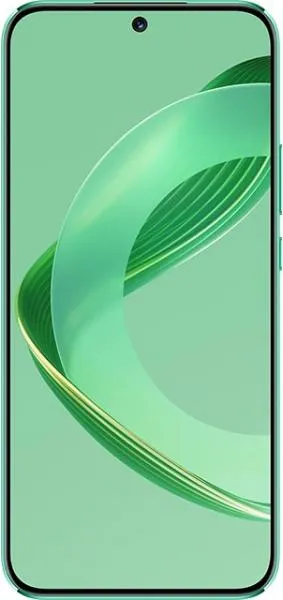
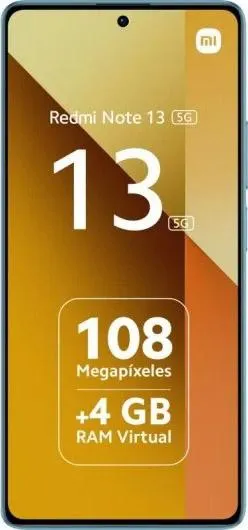
| Dimensions (mm) | 161.3 x 75 x 6.9 | 161.1 x 75 x 7.6 | Redmi Note 13 is slightly thicker. Nova 11 is lighter (168g vs 174.5g), potentially more comfortable for extended use. |
| Weight (g) | 168 | 174.5 | |
| Display | |||
| Display Type | OLED | AMOLED | Both offer vibrant colors and deep blacks. Practical differences in power consumption and brightness might exist but are not quantifiable without specific nits values for both. |
| Size (inches) | 6.7 | 6.67 | Negligible size difference. |
| Resolution | 1084 x 2412 | 1080 x 2400 | Virtually identical sharpness. |
| Refresh Rate (Hz) | 120 | 120 | Both offer smooth scrolling and animations. |
| Performance | |||
| Chipset | Snapdragon 778G 4G | Dimensity 6080 | Snapdragon 778G generally offers better performance, especially in gaming, but lacks 5G connectivity. Dimensity 6080 provides 5G but may have slightly lower performance in demanding tasks. |
| CPU | Octa-core (4x2.4 GHz & 4x1.8 GHz) | Octa-core (2x2.4 GHz & 6x2.0 GHz) | Specific core configurations suggest the 778G might handle peak performance better, while the 6080 could be more efficient in everyday tasks. |
| GPU | Adreno 642L | Mali-G57 MC2 | Adreno 642L generally provides better gaming performance. |
| RAM (GB) | 8 | 8/12 | Redmi offers a 12GB RAM option for better multitasking. |
| OS | Unknown | Android 13 | Lack of OS information for the Nova 11 makes comparison impossible. |
| Camera | |||
| Main Camera (MP) | 50 | 108 | Redmi Note 13 boasts higher resolution, potentially capturing more detail. However, sensor size and software processing play a significant role in image quality, which cannot be assessed with the given data. |
| Selfie Camera (MP) | 60 | 16 | Nova 11 has a significantly higher resolution selfie camera. |
| Video Recording | 720p@960fps | 1080p@30fps | Nova 11 offers super slow-motion recording. Redmi Note 13 provides standard 1080p video. |
| Battery | |||
| Capacity (mAh) | 4500 | 5000 | Redmi Note 13 has a larger battery, likely resulting in longer battery life. Actual usage will depend on software optimization and user habits. |
2. Key Differences Analysis
Huawei nova 11 Advantages:
- Potentially Superior Performance: The Snapdragon 778G generally outperforms the Dimensity 6080, especially in gaming and demanding applications.
- Higher Resolution Selfie Camera: The 60MP selfie camera is a standout feature for users who prioritize high-quality self-portraits.
- Super Slow-Motion Video: 960fps slow-motion recording allows for capturing unique moments.
- Lighter and Thinner: Offers a more comfortable in-hand feel.
Xiaomi Redmi Note 13 Advantages:
- 5G Connectivity: Future-proofed with access to faster mobile data networks.
- Larger Battery: Likely translates to longer battery life.
- Higher Resolution Main Camera: Potentially captures more detailed images, though real-world performance depends on other factors.
- Lower Price: Belongs to a lower price range, offering better value for budget-conscious buyers.
- More RAM Options: Offers a 12GB RAM variant for enhanced multitasking.
3. User Profiles & Recommendations
Huawei nova 11: Users who prioritize performance, a high-quality selfie camera, and a sleek design, but don't need 5G. Ideal for:
- Mobile gamers: The Snapdragon 778G provides a better gaming experience.
- Photography enthusiasts (Selfies): The 60MP front camera excels in capturing detailed self-portraits.
- Users seeking a premium feel: The slim and lightweight design provides a more premium experience.
Xiaomi Redmi Note 13: Users who prioritize 5G connectivity, long battery life, and value for money. Ideal for:
- Users needing 5G: Essential for those in areas with 5G coverage or planning to use the phone for several years.
- Heavy users: The larger battery ensures longer usage without recharging.
- Budget-conscious buyers: Offers competitive features at a lower price point.
4. Decision Framework
Key Questions for Buyers:
- Is 5G connectivity a necessity?
- What is your budget?
- What are your primary use cases (gaming, photography, general use)?
Scenario-Based Recommendations:
- Limited budget and need 5G: Redmi Note 13.
- Prioritize gaming and premium feel: Huawei nova 11.
- Balanced needs and moderate budget: Consider the specific RAM and storage configurations available for each phone and their respective prices.
My Choice: Xiaomi Redmi Note 13
While the Huawei nova 11 offers a slightly better performance in some areas, the Redmi Note 13's 5G connectivity, larger battery, and lower price are more compelling for my needs. I value future-proofing and all-day battery life. The performance difference between the two chipsets is likely not significant enough to outweigh the benefits of 5G and longer battery life in everyday use. The lack of clear OS information for the Nova 11 also raises concerns about software updates and long-term support. The significantly lower price of the Redmi Note 13 makes it a much better value proposition overall.
