1. Specifications Comparison
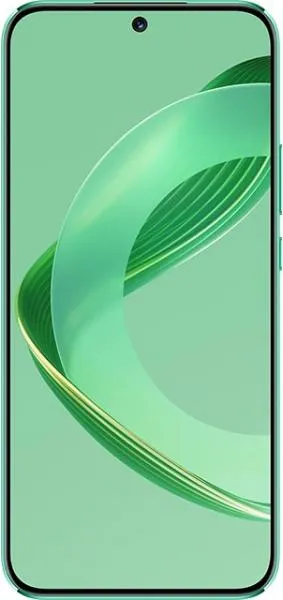
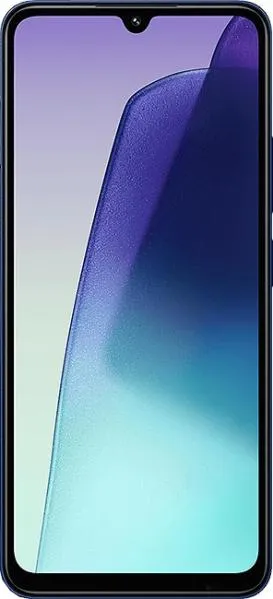
| Feature | Huawei nova 11 | Xiaomi Redmi 14C | Practical Impact |
|---|---|---|---|
| Design | |||
| Dimensions (mm) | 161.3 x 75 x 6.9 | 171.9 x 77.8 x 8.2 | Nova 11 is significantly more compact and thinner, easier for one-handed use and pocketability. Redmi 14C is larger and thicker. |
| Weight (g) | 168 | 211 | Nova 11 is noticeably lighter, reducing hand fatigue during extended use. |
| Build Material | Unspecified | Unspecified | Build quality and durability cannot be compared without material information. |
| Display | |||
| Display Type | OLED | IPS LCD | Nova 11's OLED offers deeper blacks, richer colors, and better power efficiency. Redmi 14C's IPS LCD might offer better outdoor visibility in direct sunlight. |
| Size (inches) | 6.7 | 6.88 | Redmi 14C has a slightly larger screen, providing more screen real estate for media consumption. |
| Resolution | 1084 x 2412 | 720 x 1640 | Nova 11 has a much sharper display with significantly higher pixel density (391 ppi vs 260 ppi), resulting in crisper text and images. |
| Refresh Rate | 120Hz | 120Hz | Both phones offer smooth scrolling and animations thanks to the 120Hz refresh rate. |
| Performance | |||
| Chipset | Snapdragon 778G 4G (6nm) | Mediatek Helio G81 Ultra | Nova 11's Snapdragon 778G generally offers better performance and efficiency compared to the Helio G81 Ultra, especially in demanding tasks and gaming. |
| CPU | Octa-core (4x2.4 GHz & 4x1.8 GHz) | Octa-core (2x2.0 GHz & 6x1.8 GHz) | Nova 11's CPU configuration likely provides a performance advantage. Specific core architecture details are needed for a more precise comparison. |
| GPU | Adreno 642L | Mali-G52 MC2 | Adreno 642L generally offers superior graphics performance compared to the Mali-G52 MC2, leading to a better gaming experience. |
| RAM | 8GB | 4GB/6GB/8GB (Variant Dependent) | RAM capacity impacts multitasking performance. The base Redmi 14C model has less RAM than the Nova 11, potentially limiting multitasking capabilities. |
| OS | Unspecified | Android 14 | Lack of OS information for Nova 11 hinders comparison. Android 14 on Redmi 14C ensures the latest features and security updates. |
| Camera | |||
| Rear Camera | 50MP Main + 8MP Wide/Macro | 50MP Main + 0.8MP (Unspecified) | Both have a 50MP main camera, but the secondary lens on the Redmi 14C (0.8MP) has limited practical use. Nova 11's 8MP wide/macro lens offers more versatility. |
| Front Camera | 60MP | 13MP | Nova 11 boasts a significantly higher resolution front camera for detailed selfies. |
| Video Recording | 720p@960fps | 1080p@30fps | Nova 11 offers higher frame rate slow-motion video, but at a lower resolution. Redmi 14C records at a standard 1080p resolution. |
| Battery | |||
| Capacity | 4500 mAh | 5160 mAh | Redmi 14C has a larger battery capacity, potentially translating to longer battery life. Real-world usage will vary. |
2. Key Differences Analysis
Huawei nova 11 Advantages:
- Superior Display: Sharper OLED with richer colors and deeper blacks.
- Better Performance: More powerful chipset and GPU for smoother performance and gaming.
- More Compact Design: Easier to handle and carry.
- Higher Resolution Front Camera: Better quality selfies.
Xiaomi Redmi 14C Advantages:
- Larger Battery: Potentially longer battery life.
- Larger Display: More screen real estate for media consumption.
- Lower Price: More budget-friendly depending on RAM/Storage configuration.
- Latest Android Version: Ensures latest features and security updates.
3. User Profiles & Recommendations
Huawei nova 11: Users prioritizing performance, display quality, compact design, and a good selfie camera. Ideal for gaming, media consumption on the go, and social media enthusiasts.
Xiaomi Redmi 14C: Users on a tighter budget who prioritize battery life and a large screen. Suitable for basic tasks, media consumption, and casual gaming.
4. Decision Framework
Key Questions for Buyers:
- What is your budget? The Redmi 14C is generally more affordable.
- What are your performance requirements? The Nova 11 is significantly more powerful.
- What screen size and quality do you prefer? The Nova 11 has a smaller, but sharper and more vibrant OLED display; the Redmi 14C has a larger LCD.
My Choice: Huawei nova 11
While the Redmi 14C offers a larger battery and lower price, the Nova 11's significantly superior display, performance, and more compact design make it the better overall choice for me. The sharper OLED screen and powerful chipset provide a much more enjoyable user experience for tasks ranging from gaming to web browsing. The compact form factor is also a major plus for daily usability. While battery life might be slightly shorter, the trade-off for the enhanced performance and display is worthwhile. The lack of specific OS details for the Nova 11 is a concern, but assuming it runs a relatively recent version of HarmonyOS, it shouldn't be a significant detriment compared to the overall package offered.
