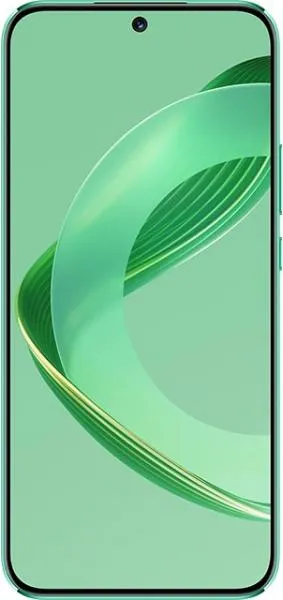
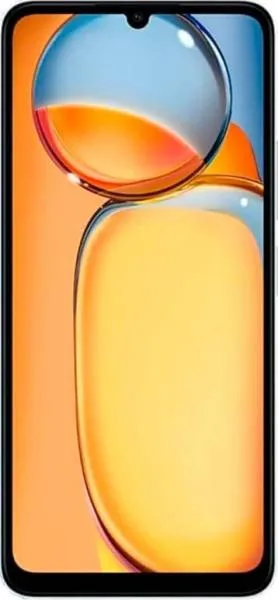
1. Specifications Comparison
| Feature | Huawei nova 11 | Xiaomi Redmi 13C | Practical Impact |
|---|---|---|---|
| Design | |||
| Dimensions (mm) | 161.3 x 75 x 6.9 | 168 x 78 x 8.1 | Nova 11 is significantly thinner and lighter, more pocketable and comfortable for one-handed use. |
| Weight (g) | 168 | 192 | |
| Build | Missing | Missing | Material differences can impact durability and premium feel; information is lacking. |
| Display | |||
| Size (inches) | 6.7 | 6.74 | Negligible size difference. |
| Type | OLED | IPS LCD | Nova 11's OLED offers deeper blacks, richer colors, and better contrast. Redmi 13C's LCD might be slightly more visible in direct sunlight. |
| Resolution | 1084 x 2412 | 720 x 1600 | Nova 11 has a much sharper display, resulting in clearer text and images. Redmi 13C's lower resolution will be noticeable. |
| Refresh Rate (Hz) | 120 | 90 | Nova 11 provides smoother scrolling and animations. |
| Pixel Density (PPI) | 391 | 260 | Significantly sharper visuals on the Nova 11 due to higher pixel density. |
| Performance | |||
| Chipset | Snapdragon 778G 4G (6nm) | Helio G85 (12nm) | Nova 11 offers significantly better CPU and GPU performance, resulting in faster app loading, smoother multitasking, and better gaming capabilities. |
| CPU | Octa-core (4x2.4 GHz & 4x1.8 GHz) | Octa-core (2x2.0 GHz & 6x1.8 GHz) | |
| GPU | Adreno 642L | Mali-G52 MC2 | |
| RAM (GB) | 8 | 4/6/8 (Variant Dependent) | More RAM on certain Nova 11 variants allows for better multitasking. Need to specify RAM for Redmi comparison. |
| Camera | |||
| Main Camera (MP) | 50 | 50 | Similar megapixel count, but sensor quality and image processing will determine actual photo quality which is not detailed here. |
| Front Camera (MP) | 60 | 5 | Nova 11 boasts a significantly higher resolution front camera, suggesting better selfie quality. |
| Video Recording | 720p@960fps | 1080p@30fps | Nova 11 offers super slow-motion capabilities, but limited to 720p. Redmi 13C records at a standard 1080p but no slow-mo information provided. |
| Battery | |||
| Capacity (mAh) | 4500 | 5000 | Redmi 13C has a larger battery capacity, potentially leading to longer battery life. However, actual usage will depend on software optimization and display efficiency. |
2. Key Differences Analysis
Huawei nova 11 Advantages:
- Superior Display: Sharper, more vibrant OLED with a higher refresh rate.
- Significantly Better Performance: Faster processor and GPU for smoother overall experience.
- Thinner and Lighter Design: Enhanced portability and one-handed usability.
- Higher Resolution Front Camera: Potentially better selfies.
Xiaomi Redmi 13C Advantages:
- Larger Battery: Potentially longer battery life.
- Lower Price: Significantly more affordable. (Based on "Price Range" provided)
Trade-offs:
- Nova 11: Higher price for premium features. Potentially shorter battery life compared to Redmi 13C.
- Redmi 13C: Lower resolution display, less powerful performance, thicker and heavier design for a lower price.
3. User Profiles & Recommendations
Huawei nova 11: Users who prioritize performance, display quality, and a premium design. Suitable for gaming, media consumption, and photography enthusiasts.
Xiaomi Redmi 13C: Budget-conscious users who prioritize battery life and basic functionality. Suitable for everyday tasks like calling, texting, browsing, and social media.
4. Decision Framework
Key Questions for Buyers:
- What is your budget? The Redmi 13C is significantly more affordable.
- What are your performance needs? The Nova 11 offers a much smoother and faster experience.
- What are your priorities in a smartphone? (e.g., display quality, battery life, camera, design)
Scenario-Based Recommendations:
- Limited Budget: Redmi 13C
- Performance Focused: Nova 11
- Balanced Needs and Moderate Budget: Consider other options within the mid-range price point.
My Choice
I would choose the Huawei nova 11. While the Redmi 13C offers a larger battery and lower price, the significantly better display, performance, and more refined design of the Nova 11 are more important to me. I prioritize a smooth and enjoyable user experience, and I'm willing to pay a premium for that. The sharper display, faster processor, and smoother refresh rate would significantly enhance my daily usage, from browsing and media consumption to gaming and multitasking. The slimmer and lighter design is also a plus for portability. While battery life is a consideration, I can manage with the Nova 11's battery capacity, especially given its more efficient OLED display. The lack of 5G in the Nova 11 is a downside, but 4G speeds are still sufficient for my needs.
