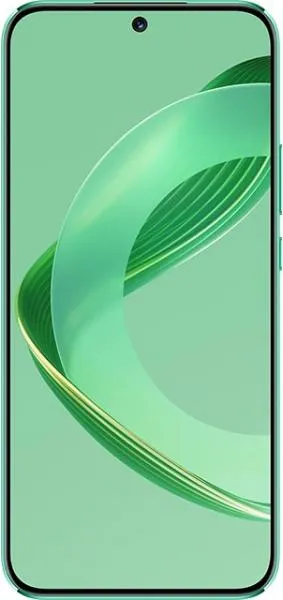
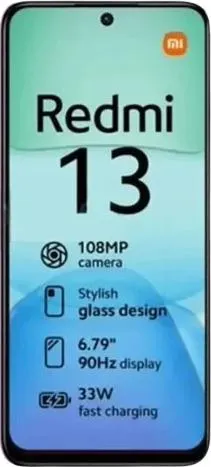
1. Specifications Comparison
| Feature | Huawei nova 11 | Xiaomi Redmi 13 | Practical Impact |
|---|---|---|---|
| Design | |||
| Dimensions (mm) | 161.3 x 75 x 6.9 | 168.6 x 76.3 x 8.3 | Nova 11 is significantly more compact and lighter, easier for one-handed use and pocket portability. Redmi 13 feels larger and heavier. |
| Weight (g) | 168 | 205 | Reinforces the portability advantage of the Nova 11. |
| Display | |||
| Display Type | OLED, 120Hz | IPS LCD, 90Hz | Nova 11 offers deeper blacks, more vibrant colors, and smoother scrolling due to OLED and higher refresh rate. Redmi 13 has wider display |
| Size (inches) | 6.7 | 6.79 | Negligible difference in screen real estate. |
| Resolution | 1084 x 2412 | 1080 x 2460 | Similar sharpness; differences are imperceptible to the naked eye. |
| Performance | |||
| Chipset | Snapdragon 778G 4G | Helio G91 Ultra | 778G generally offers better performance and efficiency in benchmarks. Real-world difference might vary depending on optimization. |
| CPU | Octa-core (4x2.4 GHz) | Octa-core (2x2.0 GHz) | 778G likely provides faster processing speeds, especially in demanding tasks. |
| GPU | Adreno 642L | Mali-G52 MC2 | Adreno 642L generally delivers superior graphics performance, beneficial for gaming. |
| RAM | 8GB | 6/8GB | 8GB RAM on Nova 11 ensures smoother multitasking. Redmi 13 offers a 6GB RAM variant which may lead to performance limitations. |
| Camera | |||
| Main Camera | 50MP | 108MP | Redmi 13 boasts higher resolution; however, image quality depends on sensor size, processing, and other factors, not just megapixels. |
| Selfie Camera | 60MP | 13MP | Nova 11 significantly higher resolution selfie camera. |
| Video | 720p@960fps | 1080p@30fps | Nova 11 offers super slow-motion recording; Redmi 13's video capabilities seem limited based on provided data. |
| Battery | |||
| Capacity | 4500 mAh | 5030 mAh | Redmi 13 has a larger battery, likely resulting in longer battery life. |
| Other | |||
| OS | Not specified | Android 14 | Missing OS details for Nova 11 make comparison difficult. Redmi 13 comes with the latest Android version. |
| Price Range | Medium | Low | Redmi 13 is significantly more affordable. |
2. Key Differences Analysis
Huawei nova 11 Advantages:
- Superior Design and Display: More compact, lighter, OLED display with 120Hz refresh rate for a premium feel and smoother visuals.
- Better Performance: Snapdragon 778G generally outperforms Helio G91 in processing and graphics.
- Higher Resolution Selfie Camera: Significantly better for video calls and self-portraits.
- Super Slow-Motion Video: Unique feature for capturing detailed slow-motion footage.
Xiaomi Redmi 13 Advantages:
- Larger Battery: Potentially longer battery life.
- Lower Price: Significantly more affordable.
- Higher Resolution Main Camera: Potentially more detailed photos, but dependent on other camera factors.
- Latest Android OS: Redmi 13 comes with Android 14, offering the latest features and security updates.
Trade-offs:
- Nova 11: Higher price for premium design, display, and performance. Lower resolution main camera compared to Redmi 13 (though megapixels alone don't define image quality). Missing OS information is a significant drawback.
- Redmi 13: Larger and heavier design, less premium display (IPS LCD with 90Hz), potentially lower performance, lower resolution selfie camera.
3. User Profiles & Recommendations
Huawei nova 11: Users prioritizing design, display quality, performance, a great selfie camera, and who are willing to pay a premium. Suitable for:
- Social Media Enthusiasts: High-quality selfie camera and vibrant display for content creation.
- Mobile Gamers: Better performance and smoother display for a better gaming experience.
Xiaomi Redmi 13: Budget-conscious users prioritizing battery life and a large display. Suitable for:
- Casual Users: Everyday tasks like browsing, social media, and communication.
- Users needing long battery life: Less frequent charging required.
4. Decision Framework
Key Questions:
- What is your budget? Redmi 13 offers great value for its price.
- What are your priorities? Design, display, and performance (Nova 11) vs. battery life and affordability (Redmi 13).
- What are your primary use cases? Gaming, social media (Nova 11) vs. basic tasks and long battery life (Redmi 13).
My Choice: Xiaomi Redmi 13
While the Huawei Nova 11 boasts a more premium design, display, and performance, the lack of clear information regarding its operating system is a major concern. In the fast-paced world of mobile technology, OS updates are crucial for security and functionality. The Redmi 13's significantly lower price, coupled with its larger battery and confirmed Android 14 OS, makes it a more compelling option for me. The performance differences between the two chipsets are unlikely to be drastically noticeable in everyday usage. I prioritize long-term usability and value for money, making the Redmi 13 the better choice in this comparison. I am willing to compromise on slightly lower performance and a less premium build for the peace of mind that comes with a recent OS and software support.
