1. Specifications Comparison
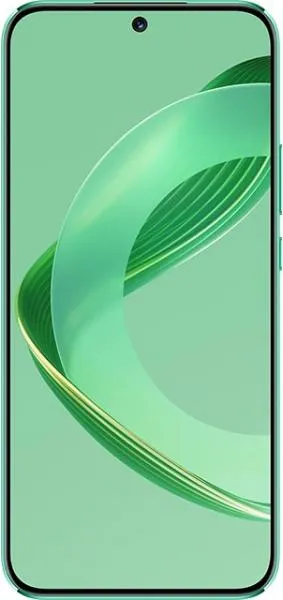
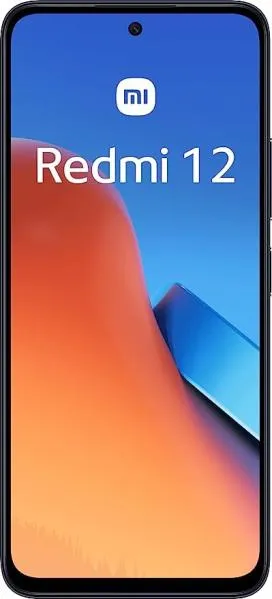
| Feature | Huawei nova 11 | Xiaomi Redmi 12 | Practical Impact |
|---|---|---|---|
| Design | |||
| Dimensions (mm) | 161.3 x 75 x 6.9 | 168.6 x 76.3 x 8.2 | Nova 11 is significantly smaller and thinner, making it more pocketable and easier to handle. |
| Weight (g) | 168 | 198.5 | Nova 11 is noticeably lighter, reducing hand fatigue during extended use. |
| Build | Unspecified | Unspecified | Build materials impact durability and premium feel. Lack of information limits comparison. |
| Display | |||
| Display Type | OLED | IPS LCD | Nova 11's OLED offers deeper blacks, more vibrant colors, and better power efficiency. Redmi 12's IPS LCD may offer better visibility in direct sunlight. |
| Size (inches) | 6.7 | 6.79 | Negligible size difference. |
| Resolution | 1084 x 2412 | 1080 x 2460 | Similar sharpness; differences are imperceptible to the naked eye. |
| Refresh Rate (Hz) | 120 | 90 | Nova 11's 120Hz display provides smoother scrolling and animations, enhancing the overall user experience. |
| Performance | |||
| Chipset | Snapdragon 778G 4G (6nm) | Helio G88 (12nm) | 778G offers significantly better CPU and GPU performance, resulting in faster app loading, smoother multitasking, and better gaming capabilities. |
| CPU | Octa-core (4x2.4 GHz & 4x1.8 GHz) | Octa-core (2x2.0 GHz & 6x1.8 GHz) | 778G's superior architecture and higher clock speeds provide a noticeable performance advantage. |
| GPU | Adreno 642L | Mali-G52 MC2 | Adreno 642L delivers significantly better graphics performance for gaming and demanding visual tasks. |
| RAM (GB) | 8 | 8/4 | 8GB RAM on both high-end variants ensures smooth multitasking. The 4GB option on the Redmi 12 will likely struggle with demanding applications and multitasking. |
| Camera | |||
| Main Camera (MP) | 50 | 50 | Megapixel count is similar, but sensor quality and image processing play a crucial role in final image quality which cannot be determined from this data. Redmi 12 provides details about the sensor, enabling further research on its capabilities. |
| Selfie Camera (MP) | 60 | 8 | Nova 11's higher resolution selfie camera potentially offers more detailed selfies. |
| Video Recording | 720p@960fps | 1080p@30fps | Nova 11 offers high frame rate slow-motion video; Redmi 12 offers standard 1080p recording. |
| Battery | |||
| Capacity (mAh) | 4500 | 5000 | Redmi 12's larger battery likely translates to longer battery life. Real-world usage varies. |
2. Key Differences Analysis
Huawei nova 11 Advantages:
- Superior Performance: The Snapdragon 778G significantly outperforms the Helio G88, offering a smoother and more responsive user experience.
- Smoother Display: The 120Hz OLED display provides a visually superior experience compared to the 90Hz IPS LCD.
- More Compact Design: Smaller and lighter, making it easier to handle and carry.
Xiaomi Redmi 12 Advantages:
- Larger Battery: The 5000mAh battery potentially offers longer battery life.
- Lower Price: Significantly more affordable.
3. User Profiles & Recommendations
Huawei nova 11: Users who prioritize performance, a premium display, and a compact design. Ideal for gaming, media consumption, and multitasking.
Xiaomi Redmi 12: Budget-conscious users who prioritize battery life and basic functionality. Suitable for everyday tasks like calling, texting, and web browsing.
4. Decision Framework
Key Questions:
- What is your budget? The Redmi 12 is significantly cheaper.
- What are your performance needs? The Nova 11 is much more powerful.
- How important is battery life? The Redmi 12 likely offers longer battery life.
Scenario-Based Recommendations:
- Heavy user, gamer: Nova 11
- Light user, budget-conscious: Redmi 12
- Balance of performance and value: Consider other options, as the Nova 11's price might be high for the value compared to other phones in the market. Missing OS details make it difficult to fully assess.
My Choice: Xiaomi Redmi 12
While the Huawei Nova 11 boasts superior performance and a vibrant display, the lack of crucial information regarding its operating system and overall software experience is a major concern. Considering the significant price difference, the Redmi 12 offers excellent value for its price. It provides a large battery, adequate performance for everyday tasks, and a modern design. The availability of Android OS updates is also a positive. For my needs, the Redmi 12's practicality and affordability outweigh the Nova 11's performance advantages, especially given the uncertainty surrounding the Nova 11's software.
