1. Specifications Comparison
| Feature | Huawei nova 11 | Xiaomi Poco X6 | Practical Impact |
|---|---|---|---|
| Design | |||
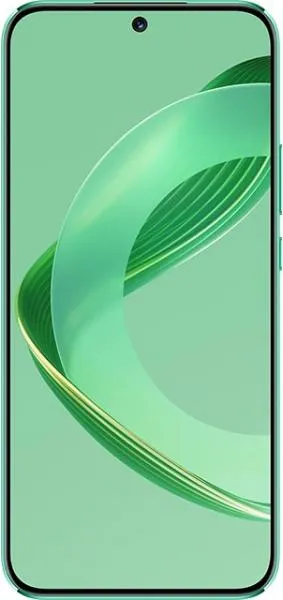
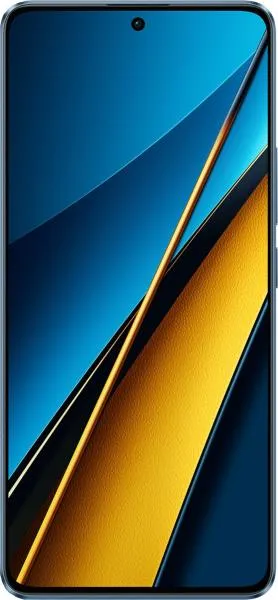
| Dimensions (mm) | 161.3 x 75 x 6.9 | 161.2 x 74.3 x 8 | Poco X6 slightly thicker but nearly identical in overall size. |
| Weight (g) | 168 | 181 | Nova 11 noticeably lighter, improving one-handed use. |
| Build Materials | Not specified | Not specified | Cannot compare build quality and durability. |
| Display | |||
| Display Type | OLED, 1B colors, 120Hz | AMOLED, 68B colors, 120Hz, Dolby Vision | Both offer smooth scrolling and vibrant colors; Poco X6 supports Dolby Vision for enhanced HDR content. |
| Display Size (inches) | 6.7 | 6.67 | Negligible size difference. |
| Resolution | 1084 x 2412 | 1220 x 2712 | Poco X6 has a sharper display with higher pixel density (446 ppi vs 391 ppi), resulting in clearer text and images. |
| Peak Brightness (nits) | 950 | 1800 | Poco X6 significantly brighter, improving outdoor visibility. |
| Performance | |||
| Chipset | Snapdragon 778G 4G (6 nm) | Snapdragon 7s Gen 2 (4 nm) | 7s Gen 2 is newer but benchmarks suggest roughly equivalent performance. Major difference: Nova 11 lacks 5G. |
| CPU | Octa-core (4x2.4 GHz Kryo 670 & 4x1.8 GHz Kryo 670) | Octa-core (4x2.40 GHz Cortex-A78 & 4x1.95 GHz Cortex-A55) | Similar CPU configurations, expect comparable performance in everyday tasks. |
| RAM | 8GB | 12GB | Poco X6 offers more RAM, enabling better multitasking and smoother performance with demanding apps. |
| GPU | Adreno 642L | Adreno 710 | Similar GPU performance, minor advantage to Poco X6. |
| OS | Not specified | Android 13 | Missing OS details for Nova 11 prevent comparison. Poco X6 ships with a recent Android version and is upgradeable to Android 16. |
| Camera | |||
| Rear Camera | 50MP Main, 8MP Wide+Macro | 64MP Main, 8MP Wide, 2MP Macro | Poco X6 adds a dedicated macro lens, potentially improving close-up shots. Higher resolution main sensor may offer slightly more detail. |
| Front Camera | 60MP | 16MP | Nova 11 has a significantly higher resolution front camera, potentially beneficial for selfies and video calls, although image quality depends on more than just resolution. |
| Video Recording | 720p@960fps (slow-mo) | 4K@30fps, 1080p@60fps | Poco X6 offers superior video resolution and frame rates, including 4K recording. |
| Battery | |||
| Capacity (mAh) | 4500 | 5100 | Poco X6 has a larger battery capacity, likely resulting in longer battery life. |
| Charging Speed | Not specified | Not specified | Cannot compare charging speeds. |
2. Key Differences Analysis
Huawei nova 11 Advantages:
- Lighter: More comfortable for extended use and one-handed operation.
- Higher Resolution Front Camera: Potentially better selfies, but real-world performance depends on factors beyond resolution.
Xiaomi Poco X6 Advantages:
- Sharper Display: Higher resolution and pixel density for clearer visuals.
- Brighter Display: Much better outdoor visibility.
- Larger Battery: Potentially longer battery life.
- More RAM: Smoother multitasking and better performance with demanding apps.
- 5G Connectivity: Future-proofed for faster mobile data speeds.
- Dolby Vision: Enhanced HDR video playback.
- 4K Video Recording: Significantly better video quality compared to 720p on the Nova 11.
- Dedicated Macro Lens: Potentially better close-up shots.
- More Recent & Upgradable OS: Android 13 with upgrade path to 16 ensures latest features and security updates.
Trade-offs:
- The Poco X6 is heavier than the Nova 11, potentially impacting comfort during extended use.
3. User Profiles & Recommendations
Huawei nova 11: Users prioritizing a lightweight phone for primarily social media usage and who don't require 5G or high-quality video recording.
Xiaomi Poco X6: Users who value a well-rounded phone with a great display, strong performance, long battery life, 5G connectivity, and good camera capabilities. Suitable for a wider range of users, including gamers, content creators, and those who consume a lot of media.
4. Decision Framework
Key Questions for Buyers:
- Is 5G connectivity essential? If yes, the Poco X6 is the only option.
- What is your budget? While both are mid-range, specific pricing should be compared.
- What are your primary use cases? (e.g., social media, gaming, photography, video recording) The Poco X6 is more versatile overall.
My Choice: Xiaomi Poco X6
The Xiaomi Poco X6 is the clear winner for me due to its superior display, larger battery, 5G connectivity, more RAM, better video recording capabilities, and more up-to-date operating system. While the Huawei Nova 11 is lighter and has a higher resolution front camera, these advantages are outweighed by the Poco X6's more comprehensive feature set and future-proof technology. The lack of 5G alone is a significant drawback for the Nova 11 in today's market. The Poco X6 provides a more well-rounded and future-proof smartphone experience. The significantly brighter display and much better video recording capabilities are also compelling advantages.
