
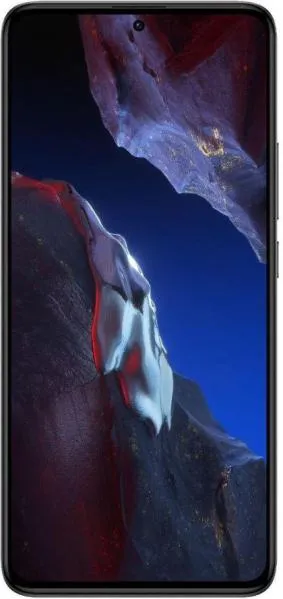
1. Specifications Comparison
| Feature | Huawei nova 11 | Xiaomi Poco F5 Pro | Practical Impact | ||||
|---|---|---|---|---|---|---|---|
| Design | |||||||
| Dimensions (mm) | 161.3 x 75 x 6.9 | 162.8 x 75.4 x 8.6 | Poco F5 Pro is slightly larger and noticeably thicker. Nova 11 is more pocketable. | ||||
| Weight (g) | 168 | 204 | Nova 11 is significantly lighter, reducing hand fatigue during extended use. | ||||
| Display | |||||||
| Display Type | OLED | AMOLED | Both offer excellent contrast and vibrant colors. | ||||
| Display Size (inches) | 6.7 | 6.67 | Negligible size difference. | ||||
| Resolution | 1084 x 2412 | 1440 x 3200 | Poco F5 Pro has a much sharper display, beneficial for media consumption and gaming. | ||||
| Refresh Rate (Hz) | 120 | 120 | Both offer smooth scrolling and animations. | ||||
| Peak Brightness (nits) | 950 | 1400 | Poco F5 Pro offers significantly better outdoor visibility. | ||||
| Performance | |||||||
| Chipset | Snapdragon 778G 4G | Snapdragon 8+ Gen 1 | Poco F5 Pro boasts a flagship-level processor, resulting in significantly faster performance for demanding tasks and gaming. | ||||
| CPU | Octa-core (4x2.4 GHz & 4x1.8 GHz) | Octa-core (1x3.0 GHz & 3x2.5 GHz & 4x1.8 GHz) | Poco F5 Pro's superior CPU architecture delivers significantly better multi-core performance. | ||||
| GPU | Adreno 642L | Adreno 730 | Poco F5 Pro offers a more powerful GPU, enabling higher frame rates and smoother gameplay in demanding games. | ||||
| RAM | 8GB | 8/12GB | Poco F5 Pro offers a 12GB RAM option, improving multitasking and handling demanding applications. | ||||
| Camera | |||||||
| Main Camera (MP) | 50 | 64 | Poco F5 Pro's main camera has a higher resolution sensor. Image quality differences will depend on processing. | ||||
| Ultrawide (MP) | 8 | 8 | Similar ultrawide capabilities. | ||||
| Macro (MP) | N/A | 2 | Poco F5 Pro includes a dedicated macro lens. | ||||
| Selfie (MP) | 60 | 16 | Nova 11 has a much higher resolution selfie camera. | ||||
| Video | 720p@960fps | 8K@24fps | Poco F5 Pro supports higher resolution video recording. | OIS | No | Yes | Poco F5 Pro features Optical Image Stabilization, producing smoother videos and potentially better low-light images. |
| Battery | |||||||
| Capacity (mAh) | 4500 | 5160 | Poco F5 Pro offers a larger battery capacity, potentially resulting in longer battery life. |
2. Key Differences Analysis
Huawei nova 11 Advantages:
- Lighter and more compact: More comfortable for one-handed use and pocket portability.
- Higher resolution selfie camera: Better for detailed self-portraits and video calls.
Xiaomi Poco F5 Pro Advantages:
- Significantly more powerful: Superior performance for demanding tasks, gaming, and multitasking.
- Sharper display with higher peak brightness: Better for media consumption and outdoor visibility.
- Larger battery: Potentially longer battery life.
- 5G Connectivity: Future-proofed for faster cellular data speeds. Nova 11 lacks 5G. This is a major differentiator.
- 8K Video Recording: Captures higher resolution videos.
- Optical Image Stabilization: Smoother videos and improved low-light photography.
Trade-offs:
- Poco F5 Pro: Larger and heavier, potentially less comfortable for extended use.
- Nova 11: Limited to 4G, less powerful processor, lower resolution main camera.
3. User Profiles & Recommendations
Huawei nova 11:
- Ideal User: Casual users prioritizing a lightweight, stylish phone for everyday tasks, social media, and selfies. Users who are not concerned about having the latest hardware or 5G.
- Use Cases: Casual photography, social media browsing, web browsing, light gaming.
Xiaomi Poco F5 Pro:
- Ideal User: Power users, gamers, and content creators who demand top-tier performance, a great display, and long battery life.
- Use Cases: Demanding mobile gaming, professional photography/videography, multitasking, media consumption.
4. Decision Framework
Key Questions for Buyers:
- Is 5G connectivity essential? If yes, the Poco F5 Pro is the only option.
- What is your budget? While both are mid-range, the Poco F5 Pro is generally more expensive.
- What are your primary use cases? Prioritize performance (Poco F5 Pro) or portability and selfie quality (Nova 11) based on your needs.
My Choice: Xiaomi Poco F5 Pro
While the Huawei Nova 11 offers a sleek and lightweight design, the lack of 5G is a dealbreaker in 2023. The Poco F5 Pro's significantly superior performance, sharper display, larger battery, and 5G connectivity make it the better overall choice for long-term use. The benefits of a future-proof device with powerful hardware outweigh the slight increase in size and weight. The price difference is justifiable considering the substantial performance gap and feature set.
