
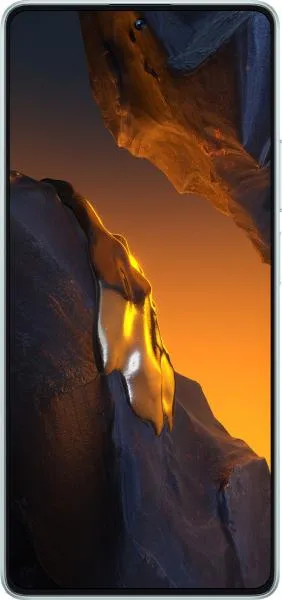
1. Specifications Comparison
| Feature | Huawei nova 11 | Xiaomi Poco F5 | Practical Impact |
|---|---|---|---|
| Design | |||
| Dimensions (mm) | 161.3 x 75 x 6.9 | 161.1 x 75 x 7.9 | Poco F5 is slightly thicker and heavier. Nova 11 is more pocketable. |
| Weight (g) | 168 | 181 | Noticeable difference in hand; Poco F5 might feel more substantial, Nova 11 lighter. |
| Display | |||
| Display Size (inches) | 6.7 | 6.67 | Negligible difference in screen real estate. |
| Display Type | OLED | AMOLED | AMOLED generally offers better contrast and power efficiency. |
| Refresh Rate (Hz) | 120 | 120 | Both offer smooth scrolling and animations. |
| Color Depth | 1B | 68B | Poco F5's 68B color depth provides a wider range of colors, resulting in more vibrant and accurate visuals. |
| HDR | HDR10 | HDR10+, Dolby Vision | Poco F5 supports more advanced HDR standards, resulting in better video quality on compatible content. |
| Performance | |||
| Chipset | Snapdragon 778G 4G (6nm) | Snapdragon 7+ Gen 2 (4nm) | Poco F5 has a significantly more powerful and efficient processor, leading to much better performance in demanding tasks and games, and potentially better battery life. |
| CPU | Octa-core (4x2.4 GHz...) | Octa-core (1x2.91 GHz...) | Poco F5's CPU architecture and higher clock speeds translate to a noticeable performance advantage. |
| GPU | Adreno 642L | Adreno 725 | Poco F5's GPU offers significantly improved graphics performance for smoother gaming and faster rendering. |
| RAM | 8GB | 8/12GB | Poco F5 offers a 12GB RAM option for even better multitasking. |
| Camera | |||
| Main Camera | 50MP | 64MP | Poco F5 has a higher resolution main sensor. Image quality depends on more than resolution, but Poco F5 has a potential advantage. |
| Ultrawide | 8MP | 8MP | Comparable ultrawide cameras. |
| Macro | 8MP (shared with ultrawide) | 2MP | Dedicated macro lens on Poco F5, but lower resolution. Practical usability depends on implementation. Huawei's shared lens might be more versatile. |
| Selfie Camera | 60MP | 16MP | Significantly higher resolution on Nova 11 for selfies. |
| Video | 720p@960fps | 4K@30fps | Poco F5 offers higher resolution video recording. Nova 11 offers higher frame rate slow-motion but at lower resolution. |
| Battery | |||
| Capacity (mAh) | 4500 | 5000 | Poco F5 offers longer battery life thanks to larger capacity and more efficient chipset. |
| OS | Not specified | Android 13 | Lack of OS information for Nova 11 makes comparison difficult. |
2. Key Differences Analysis
Huawei nova 11 Advantages:
- Lighter and thinner design: More pocketable and comfortable for one-handed use.
- Higher resolution selfie camera: Better for detailed selfies and video calls.
Xiaomi Poco F5 Advantages:
- Significantly more powerful processor and GPU: Much better for demanding tasks, gaming, and future-proofing.
- Larger battery: Longer battery life.
- AMOLED display with wider color gamut and HDR10+: More vibrant and accurate visuals, better video quality.
- 5G Connectivity: Faster mobile data speeds and future-proof connectivity.
3. User Profiles & Recommendations
Huawei nova 11: Users who prioritize a lightweight, slim design and a high-resolution selfie camera. Best for casual use, social media, and less demanding tasks.
Xiaomi Poco F5: Users who prioritize performance, gaming, long battery life, and a high-quality display. Suitable for power users, gamers, and those who want a future-proof device.
4. Decision Framework
Key Questions for Buyers:
- What is your budget and what do you prioritize most in a smartphone?
- Do you need the absolute best performance and latest features, or is a good balance of features sufficient?
- How important is camera quality, battery life, and display quality to you?
My Choice: Xiaomi Poco F5
While the Huawei Nova 11 offers a sleek design and impressive selfie camera, the Xiaomi Poco F5 is the superior choice overall due to its significantly more powerful processor, better GPU, larger battery, superior display, and 5G connectivity. The performance difference between the Snapdragon 778G and the Snapdragon 7+ Gen 2 is substantial, making the Poco F5 a much more future-proof device. The improved battery life, AMOLED display, and 5G connectivity further solidify its advantage. The Nova 11 might be a good option for users on a tighter budget who prioritize a slim design and selfie camera above all else, but for most users, the Poco F5 offers a better overall package and better value.
