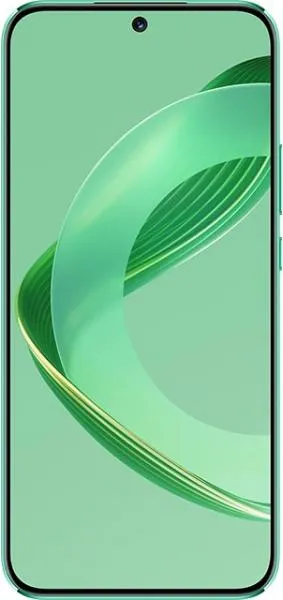
1. Specifications Comparison
| Feature | Huawei nova 11 | Xiaomi Poco C65 | Practical Impact |
|---|---|---|---|
| Design | |||
| Dimensions (mm) | 161.3 x 75 x 6.9 | 168 x 78 x 8.1 | Nova 11 is significantly thinner and lighter, making it more pocketable and comfortable for one-handed use. |
| Weight (g) | 168 | 192 | Reinforces the portability advantage of the Nova 11. |
| Build Material | Missing | Missing | Cannot compare build quality and durability. |
| Display | |||
| Display Type | OLED | IPS LCD | Nova 11's OLED offers deeper blacks, richer colors, and potentially better power efficiency. |
| Display Size (inches) | 6.7 | 6.74 | Negligible size difference in real-world usage. |
| Resolution | 1084 x 2412 | 720 x 1600 | Nova 11 has a much sharper display, resulting in clearer text and images. |
| Refresh Rate (Hz) | 120 | 90 | Nova 11 will feel smoother for scrolling and animations, especially noticeable in games. |
| Pixel Density (PPI) | 391 | 260 | Reinforces the sharpness advantage of the Nova 11. |
| Performance | |||
| Chipset | Snapdragon 778G 4G (6nm) | Helio G85 (12nm) | 778G is a more powerful and efficient chip, leading to better performance in demanding tasks and potentially longer battery life. |
| CPU | Octa-core (4x2.4 GHz & 4x1.8 GHz) | Octa-core (2x2.0 GHz & 6x1.8 GHz) | Nova 11's CPU configuration suggests better multi-core performance. |
| GPU | Adreno 642L | Mali-G52 MC2 | Adreno 642L offers superior graphics performance for gaming and other visually intensive tasks. |
| RAM (GB) | 8 | 6/8 (Variant Dependent) | More RAM in the Nova 11 can improve multitasking and app switching speed. |
| Camera | |||
| Main Camera (MP) | 50 | 50 | Megapixel count alone doesn't determine image quality; sensor size and processing are crucial, and this information is missing for both. |
| Selfie Camera (MP) | 60 | 8 | Nova 11 boasts a much higher resolution selfie camera, potentially capturing more detailed selfies. |
| Video Recording | 720p@960fps with EIS | 1080p@30fps | Nova 11 offers significantly higher frame rate slow-motion video, but strangely lacks 1080p recording at standard speeds while Poco C65 does. |
| Battery | |||
| Capacity (mAh) | 4500 | 5000 | Poco C65 has a larger battery, potentially offering longer usage time. However, real-world battery life depends on many factors, including display type and chipset efficiency. |
| Charging Speed | Missing | Missing | Cannot compare charging speeds. |
2. Key Differences Analysis
Huawei nova 11 Advantages:
- Superior Display: OLED with higher resolution and refresh rate offers a significantly better visual experience.
- Stronger Performance: The Snapdragon 778G provides noticeably better performance for gaming and multitasking.
- Sleeker Design: Thinner and lighter, making it more portable.
- Higher Resolution Selfie Camera: Potentially better for selfie enthusiasts.
Xiaomi Poco C65 Advantages:
- Larger Battery: Potentially longer battery life, but real-world usage will vary.
- Lower Price: Significantly more affordable.
3. User Profiles & Recommendations
Huawei nova 11: Users who prioritize display quality, performance, and a premium design. Suitable for gaming, media consumption, and demanding tasks.
Xiaomi Poco C65: Budget-conscious users who prioritize battery life and basic functionality. Suitable for everyday tasks like calling, texting, and web browsing. Good for users who are not heavy gamers or media consumers.
4. Decision Framework
Key Questions:
- What is your budget? The Poco C65 is significantly cheaper.
- What are your primary use cases? Gaming and media consumption favor the Nova 11, while basic tasks favor the Poco C65.
- How important is display quality and performance? The Nova 11 excels in these areas.
My Choice: Huawei Nova 11
While the Xiaomi Poco C65 offers great value for its price, the Huawei Nova 11's superior display, performance, and design are decisive factors for me. The smoother refresh rate, sharper resolution, and vibrant colors of the OLED screen provide a much more enjoyable user experience. The more powerful processor ensures smooth performance even with demanding tasks. While battery life is a concern, I prioritize the overall quality of the user experience. The price difference is significant, but I would be willing to pay more for the significant upgrade in quality. The lack of specific camera sensor details makes a comprehensive camera comparison difficult, but the Nova 11's higher-resolution selfie camera and high frame rate slow motion are appealing.
