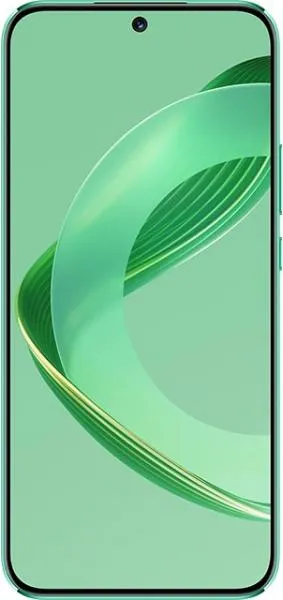
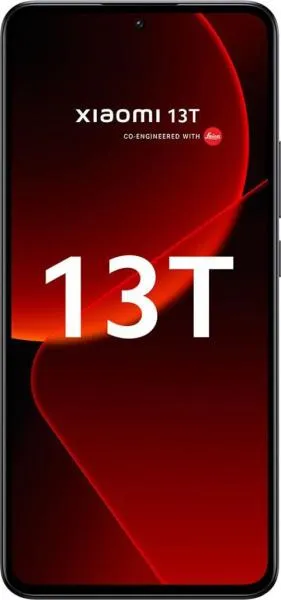
1. Specifications Comparison
| Feature | Huawei nova 11 | Xiaomi 13T | Practical Impact |
|---|---|---|---|
| Design | |||
| Dimensions (mm) | 161.3 x 75 x 6.9 | 162.2 x 75.7 x 8.5 | Xiaomi 13T is slightly larger and noticeably thicker. Nova 11 is more pocketable. |
| Weight (g) | 168 | 210 | Nova 11 is significantly lighter, reducing hand fatigue during extended use. |
| Display | |||
| Size (inches) | 6.7 | 6.67 | Negligible size difference. |
| Resolution | 1084 x 2412 | 1220 x 2712 | Xiaomi 13T has a sharper display with higher pixel density, resulting in clearer text and images. |
| Refresh Rate (Hz) | 120 | 144 | Xiaomi 13T offers smoother scrolling and animations, especially noticeable in gaming and fast-paced content. |
| Display Type | OLED | AMOLED | Both offer excellent contrast and vibrant colors. However, Xiaomi 13T's AMOLED with Dolby Vision and HDR10+ support delivers a superior HDR experience with higher peak brightness. |
| Performance | |||
| Chipset | Snapdragon 778G 4G | Dimensity 8200 Ultra | Xiaomi 13T boasts a more powerful processor, translating to faster app loading, multitasking, and gaming performance. |
| CPU | Octa-core (4x2.4 GHz & 4x1.8 GHz) | Octa-core (1x3.1 GHz & 3x3.0 GHz & 4x2.0 GHz) | Xiaomi 13T's CPU architecture offers higher clock speeds, resulting in improved performance in demanding tasks. |
| GPU | Adreno 642L | Mali-G610 MC6 | While both GPUs are capable, the Mali-G610 MC6 in the Xiaomi 13T generally offers better gaming performance. |
| RAM (GB) | 8 | 8/12 | Both offer ample RAM for smooth multitasking. The 12GB option on the Xiaomi 13T provides additional headroom for future-proofing. |
| Camera | |||
| Main Camera (MP) | 50 | 50 | Comparable resolution. However, the Xiaomi 13T utilizes a larger Sony IMX707 sensor, potentially capturing more light and detail. |
| Additional Cameras | 8MP Wide Angle + Macro | 50MP Telephoto, 13MP Wide Angle | Xiaomi 13T offers a more versatile camera system with a dedicated telephoto lens for optical zoom and a higher resolution ultrawide. |
| Video Recording | 720p@960fps | 4K@30fps with HDR, EIS | Xiaomi 13T supports higher resolution video recording with HDR and improved stabilization. |
| Battery | |||
| Capacity (mAh) | 4500 | 5000 | Xiaomi 13T offers a larger battery capacity, likely translating to longer battery life. |
2. Key Differences Analysis
Huawei nova 11 Advantages:
- Lighter and More Compact: Significantly lighter and thinner, making it more comfortable for one-handed use and pocket portability.
Xiaomi 13T Advantages:
- Superior Performance: More powerful processor and GPU for smoother multitasking and gaming.
- Better Display: Sharper, brighter display with higher refresh rate and HDR support.
- More Versatile Camera System: Dedicated telephoto lens and higher resolution ultrawide sensor.
- Larger Battery: Potentially longer battery life.
- 5G Connectivity: Supports faster mobile data speeds and improved network connectivity. This is a crucial advantage.
3. User Profiles & Recommendations
Huawei nova 11: Users prioritizing portability and lightweight design over raw performance. Suitable for casual users primarily focused on social media, web browsing, and light photography.
Xiaomi 13T: Users seeking a powerful, feature-rich device for demanding tasks like gaming, content creation, and mobile photography.
4. Decision Framework
Key Questions:
- What is your budget? While both are mid-range, the Xiaomi 13T might be slightly more expensive.
- What are your primary smartphone usage patterns? Casual use vs. demanding tasks.
- Do you prioritize portability and design or performance and features?
My Choice: Xiaomi 13T
While the Huawei nova 11 offers a compelling lightweight design, the Xiaomi 13T's superior performance, display, camera system, larger battery, and crucially 5G connectivity make it the clear winner for me. The performance gap between the Snapdragon 778G and the Dimensity 8200 Ultra is significant, and the lack of 5G on the Nova 11 is a major drawback in today's environment. The Xiaomi 13T offers a more future-proof and well-rounded package for a slightly higher price, making it a better long-term investment. I value performance and future-proofing, so the Xiaomi 13T aligns better with my needs.
