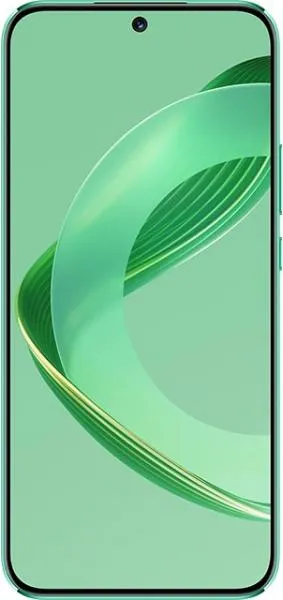
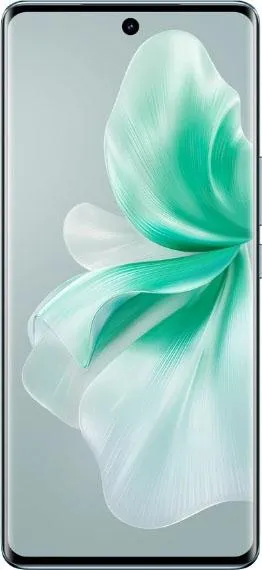
1. Specifications Comparison
| Feature | Huawei nova 11 | vivo V30 | Practical Impact |
|---|---|---|---|
| Design | |||
| Dimensions (mm) | 161.3 x 75 x 6.9 | 164.4 x 75.1 x 7.5 | The vivo V30 is slightly larger and thicker. |
| Weight (g) | 168 | 186 | The Huawei Nova 11 is noticeably lighter, making it more comfortable for extended use. |
| Display | |||
| Size (inches) | 6.7 | 6.78 | Negligible difference in screen real estate. |
| Resolution (px) | 1084 x 2412 | 1260 x 2800 | The vivo V30 has a sharper display with higher pixel density, resulting in crisper text and images. |
| Type | OLED, 120Hz | AMOLED, 120Hz | Both offer vibrant colors and smooth scrolling; AMOLED generally offers deeper blacks. |
| PPI | 391 | 453 | Higher PPI on the Vivo V30 translates to a noticeably sharper image. |
| Performance | |||
| Chipset | Snapdragon 778G 4G (6 nm) | Snapdragon 7 Gen 3 (4 nm) | The Snapdragon 7 Gen 3 in the vivo V30 offers significantly improved performance and efficiency due to newer architecture and manufacturing process. |
| CPU | Octa-core (4x2.4 GHz Kryo 670 & 4x1.8 GHz Kryo 670) | Octa-core (1x2.63 GHz Cortex-A715 & 3x2.4 GHz Cortex-A715 & 4x1.8 GHz Cortex-A510) | The Vivo V30 boasts a more powerful and modern CPU architecture, leading to smoother multitasking and faster app loading. |
| GPU | Adreno 642L | Adreno 720 | The vivo V30's Adreno 720 GPU provides a substantial boost in graphics performance for demanding games and applications. |
| RAM (GB) | 8 | 8 | Both phones have sufficient RAM for smooth multitasking. |
| OS | Unknown | Android 14 | The Vivo V30 ships with a newer OS version out of the box, guaranteeing longer software support and potentially more features. Lack of OS information for the Nova 11 is a significant gap. |
| Camera | |||
| Main Camera (MP) | 50 | 50 | Comparable resolution, but sensor details (size, pixel size) missing for both, making detailed comparison impossible. |
| Selfie Camera (MP) | 60 | 50 | Higher megapixel count on the Nova 11 doesn't guarantee better image quality; sensor details are crucial. |
| Video | 720p@960fps with EIS | 4K@30fps with EIS, 1080p@30fps with EIS | Vivo V30 offers superior video recording capabilities with 4K resolution and potentially better stabilization. |
| Battery | |||
| Capacity (mAh) | 4500 | 5000 | The vivo V30 has a larger battery, potentially leading to longer battery life. |
2. Key Differences Analysis
Huawei nova 11 Advantages:
- Lighter and more compact: More comfortable for one-handed use and extended periods.
- Potentially More Affordable: Listed as having a lower price according to the provided data.
vivo V30 Advantages:
- Significantly more powerful: Newer chipset and CPU architecture result in a smoother and faster user experience.
- Sharper display: Higher resolution and PPI provide a more visually appealing experience.
- Larger Battery: Potentially longer battery life.
- 5G Connectivity: Future-proofed for faster mobile data speeds.
- Newer Android version: Ensures longer software updates and access to the latest features.
- Superior Video Recording: Offers 4K recording, unlike the Nova 11's 720p.
3. User Profiles & Recommendations
Huawei nova 11: Users on a tighter budget who prioritize a lightweight and compact phone for everyday tasks like calling, messaging, and social media.
vivo V30: Users who value performance, a high-quality display, long battery life, and future-proof features like 5G. Suitable for demanding tasks like gaming, video editing, and heavy multitasking.
4. Decision Framework
Key Questions for Buyers:
- What is your budget? The Nova 11 is likely more affordable.
- What are your primary use cases? The vivo V30 excels in performance-intensive tasks.
- How important is future-proofing? The vivo V30 offers 5G connectivity.
Scenario-Based Recommendations:
- Casual User: The Huawei nova 11 might be sufficient.
- Power User: The vivo V30 is the clear choice.
- Budget-Conscious User: The Huawei Nova 11 offers better value if the price difference is significant.
My Choice: vivo V30
While lacking some camera detail specifics, the vivo V30 is the superior device overall. The significantly more powerful processor, sharper display, larger battery, and 5G connectivity offer a substantially better user experience in the long run. The newer Android version also guarantees longer software support. Even if the Nova 11 is cheaper, the performance and feature gap is too wide to ignore. The lack of clear OS information on the Nova 11 raises concerns about its long-term viability. The Vivo V30's advantages in key areas like performance, future-proofing, and display quality outweigh the Nova 11's lighter weight and potential lower price.
