1. Specifications Comparison
| Feature | Huawei nova 11 | Samsung Galaxy Z Flip6 | Practical Impact |
|---|---|---|---|
| Design | |||
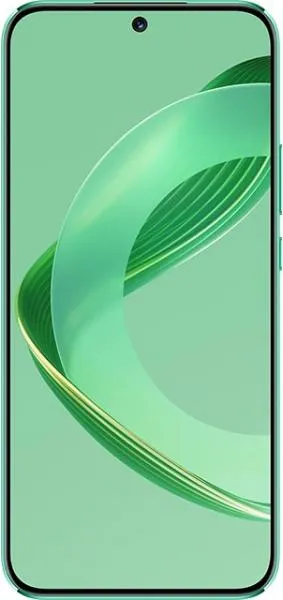
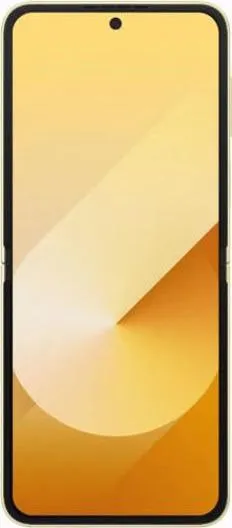
| Dimensions (mm) | 161.3 x 75 x 6.9 | 165.1 x 71.9 x 6.9 | Z Flip6 slightly taller and narrower; both slim. Foldable design of Z Flip6 major differentiator for portability. |
| Weight (g) | 168 | 187 | Z Flip6 noticeably heavier due to folding mechanism. |
| Build Material | Missing | Missing | Build quality and durability cannot be assessed without this information. |
| Display | |||
| Size (inches) | 6.7 | 6.7 | Same screen size offers comparable viewing experience when unfolded. |
| Resolution (px) | 1084 x 2412 | 1080 x 2640 | Z Flip6 higher resolution translates to sharper text and images. |
| Type | OLED, 120Hz | Foldable Dynamic AMOLED 2X, 120Hz | Z Flip6's foldable display allows for unique usage scenarios (flex mode, compact storage) but introduces potential crease visibility. Nova 11 offers a traditional, uninterrupted display. |
| Peak Brightness (nits) | 950 | 2600 | Z Flip6 significantly brighter, crucial for outdoor visibility. |
| Performance | |||
| Chipset | Snapdragon 778G 4G | Snapdragon 8 Gen 3 | Z Flip6 boasts a significantly more powerful processor, resulting in smoother multitasking, faster app loading, and better gaming performance. |
| CPU | Octa-core (4x2.4 GHz & 4x1.8 GHz) | Octa-core (up to 3.39 GHz) | Z Flip6's superior CPU architecture and clock speeds deliver significantly improved performance across all tasks. |
| RAM (GB) | 8 | 12 | More RAM in Z Flip6 enables better multitasking and smoother performance with demanding applications. |
| Camera | |||
| Rear Cameras | 50MP + 8MP | 50MP + 12MP | Both have dual rear cameras; Z Flip6's secondary lens offers wider angle compared to Nova 11's macro lens. Practical differences depend on specific photography needs. |
| Selfie Camera | 60MP | 10MP | Higher resolution on Nova 11 doesn't guarantee better image quality; sensor size and processing play crucial roles. |
| Video | 720p@960fps | 4K@60fps, 720p@960fps | Z Flip6 offers significantly better video recording capabilities with 4K resolution and HDR support. |
| Battery | |||
| Capacity (mAh) | 4500 | 4000 | Nova 11 has larger battery capacity, potentially leading to longer battery life. Real-world usage will vary depending on individual usage patterns and software optimization. |
2. Key Differences Analysis
Huawei nova 11 Advantages:
- Potentially longer battery life: Larger battery capacity.
- Lighter weight: More comfortable for extended use.
- Lower price: Offers good value for its features. (Based on provided limited pricing data)
Samsung Galaxy Z Flip6 Advantages:
- Significantly more powerful: Snapdragon 8 Gen 3 offers superior performance.
- Foldable design: Enhanced portability and unique usage modes.
- Brighter display: Excellent outdoor visibility.
- Better video recording capabilities: 4K resolution and HDR support.
- Faster Charging and Data Transfer: USB 3.2 offers significant advantages over 2.0
- 5G Connectivity: Future-proofed for faster mobile data speeds.
Trade-offs:
- Z Flip6: Higher price, heavier, smaller battery, potential crease visibility on the foldable display.
- Nova 11: Less powerful, lacks 5G, lower resolution display.
3. User Profiles & Recommendations
Huawei nova 11: Budget-conscious users prioritizing battery life and a lightweight design for everyday tasks like social media, browsing, and casual photography.
Samsung Galaxy Z Flip6: Users who value cutting-edge performance, portability, a unique foldable design, and a vibrant display for demanding tasks, multimedia consumption, and mobile photography/videography. Early adopters who are comfortable with the foldable technology and its potential drawbacks.
4. Decision Framework
Key Questions for Buyers:
- Budget: How much are you willing to spend?
- Performance Needs: Do you require top-tier processing power for demanding tasks or gaming?
- Form Factor: Do you prioritize portability and a unique design or a traditional smartphone experience?
Scenario-Based Recommendations:
- Limited budget, everyday use: Huawei nova 11
- Power user, multimedia enthusiast: Samsung Galaxy Z Flip6
- Prioritizing portability and style: Samsung Galaxy Z Flip6
My Choice: Samsung Galaxy Z Flip6
While the Huawei Nova 11 offers a compelling value proposition with its larger battery and lower price, the Samsung Galaxy Z Flip6 is the superior device overall. The significantly more powerful processor, brighter display, superior camera capabilities (especially video), and the unique foldable design make it a more future-proof and versatile choice. I am willing to compromise on battery capacity (though 4000 mAh is still respectable) and pay a premium for the innovative form factor and flagship-level performance. The Z Flip6's 5G connectivity also ensures I can take advantage of faster mobile data speeds in the coming years. The foldable form factor, while presenting a potential point of failure in the future, is a compelling feature for portability and style.
