1. Specifications Comparison
| Feature | Huawei nova 11 | Samsung Galaxy S24 FE | Practical Impact |
|---|---|---|---|
| Design | |||
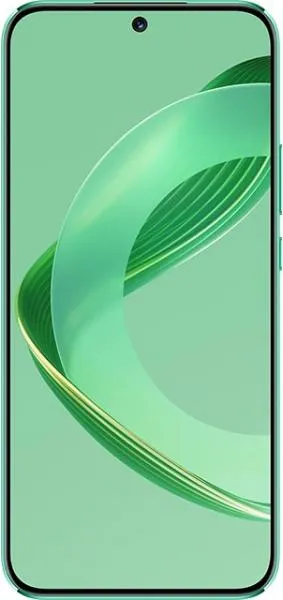
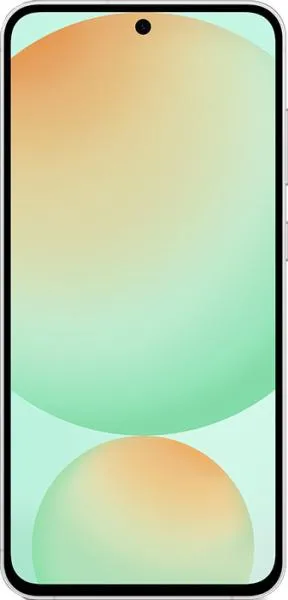
| Dimensions (mm) | 161.3 x 75 x 6.9 | 162 x 77.3 x 8 | Nova 11 is noticeably thinner and slightly smaller. S24 FE might feel bulkier. |
| Weight (g) | 168 | 213 | Nova 11 is significantly lighter, reducing hand fatigue during extended use. |
| Display | |||
| Display Type | OLED, 120Hz | Dynamic AMOLED 2X, 120Hz | Both offer smooth scrolling and animations. AMOLED 2X generally offers better contrast and color accuracy. |
| Display Size (inches) | 6.7 | 6.7 | Essentially identical screen real estate. |
| Resolution | 1084 x 2412 | 1080 x 2340 | Very similar pixel density; sharpness differences will be negligible. |
| Peak Brightness (nits) | 950 | 1900 | S24 FE offers far superior outdoor visibility in direct sunlight. |
| Performance | |||
| Chipset | Snapdragon 778G 4G (6nm) | Exynos 2400e (4nm) | S24 FE's newer, more efficient processor likely offers better performance and battery life, but real-world performance depends on optimization. Exynos chips have historically had issues with thermal throttling. |
| CPU | Octa-core (4x2.4 GHz & 4x1.8 GHz) | 10-core (1x3.1 GHz + 2x2.9 GHz + 3x2.6 GHz + 4x1.95 GHz) | S24 FE boasts higher clock speeds, potentially leading to faster app loading and multitasking. |
| GPU | Adreno 642L | Xclipse 940 | S24 FE likely offers a significant advantage in graphics-intensive tasks like gaming. |
| RAM | 8GB | 8GB | Equal RAM capacity for multitasking. |
| Camera | |||
| Main Camera | 50MP, f/1.9 | 50MP, f/1.8, OIS | Similar resolution, but S24 FE benefits from Optical Image Stabilization (OIS) for sharper photos and videos, especially in low light. |
| Ultrawide | 8MP, f/2.2 | 13MP, f/2.2 | S24 FE likely offers better ultrawide image quality with higher resolution. |
| Telephoto | None | 8MP, f/2.4, 3x Optical Zoom | S24 FE provides optical zoom for capturing distant subjects without loss of detail. Nova 11 lacks this feature. |
| Selfie Camera | 60MP, f/2.4 | 10.8MP, f/2.4 | Higher resolution on Nova 11 but megapixels don't guarantee better image quality. Samsung generally tunes its selfie cameras well. |
| Video Recording | 720p@960fps | 8K@30fps | S24 FE offers significantly higher video resolution capabilities. |
| Battery | |||
| Capacity | 4500 mAh | 4700 mAh | S24 FE has a slightly larger battery, but actual battery life depends on many factors including software optimization and display usage. |
| Charging Speed | Not specified | Not specified | Unable to compare charging speeds without more data. |
2. Key Differences Analysis
Huawei nova 11 Advantages:
- Lighter and Thinner: More comfortable for one-handed use and pocket portability.
- Potentially Lower Price: Huawei Nova phones are generally more affordable than Samsung's FE series.
Samsung Galaxy S24 FE Advantages:
- Superior Performance: More powerful processor and GPU for smoother gaming and demanding tasks.
- Better Display: Brighter screen for improved outdoor visibility. AMOLED generally delivers better colors.
- More Versatile Camera System: OIS on the main camera, ultrawide lens, and a dedicated telephoto lens with 3x optical zoom provide more shooting options.
- 5G Connectivity: Future-proofed for faster mobile data speeds. Nova 11 is limited to 4G.
- Larger Battery: Potentially longer battery life.
3. User Profiles & Recommendations
Huawei nova 11: Users prioritizing a lightweight, stylish phone for everyday tasks, social media, and casual photography. Budget-conscious buyers seeking good value.
Samsung Galaxy S24 FE: Users who demand high performance for gaming, content creation, and multitasking. Those who prioritize camera versatility and excellent display quality. Users who need 5G connectivity.
4. Decision Framework
Key Questions for Buyers:
- What is your budget? The Nova 11 is likely more affordable.
- What are your primary use cases? Casual use vs. demanding tasks like gaming or professional photography/videography.
- Do you need 5G connectivity? Crucial for future-proofing and faster data speeds.
My Choice: Samsung Galaxy S24 FE
While the Huawei nova 11 offers a sleek and lightweight design, the Samsung Galaxy S24 FE provides a more well-rounded package. The superior performance, more versatile camera system with OIS and optical zoom, brighter display, and 5G connectivity make it a better long-term investment for my needs. Even though the Exynos processor may have some performance concerns, the overall feature set of the S24 FE edges out the Nova 11. I prioritize performance, camera quality, and future-proofing, making the S24 FE the clear winner for me. The slightly higher price is justified by the significant advantages it offers.
