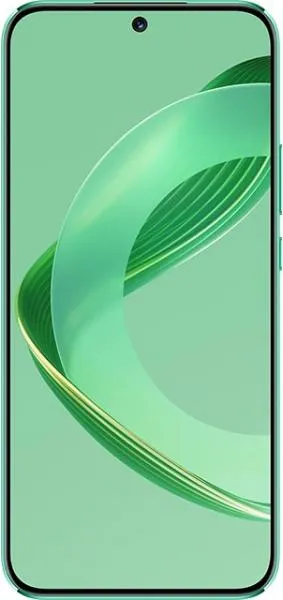
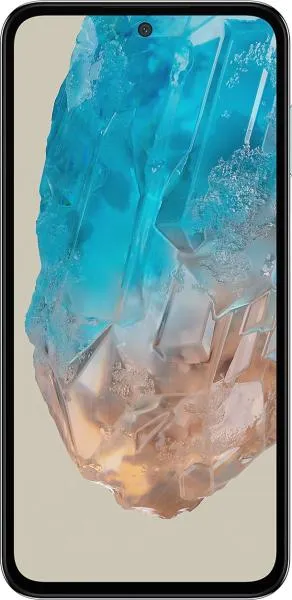
1. Specifications Comparison
| Feature | Huawei nova 11 | Samsung Galaxy M35 | Practical Impact |
|---|---|---|---|
| Design | |||
| Dimensions (mm) | 161.3 x 75 x 6.9 | 162.3 x 78.6 x 9.1 | Nova 11 is significantly thinner and lighter, making it more pocketable and comfortable for one-handed use. |
| Weight (g) | 168 | 222 | Nova 11 is noticeably lighter, reducing hand fatigue during extended use. |
| Fingerprint Sensor | Under display | Side-mounted | Preference-based; under-display feels more modern, side-mounted can be faster and more reliable. |
| Display | |||
| Display Type | OLED | Super AMOLED | Both offer vibrant colors and deep blacks. Samsung's Super AMOLED might offer slightly higher brightness. |
| Display Size (inches) | 6.7 | 6.6 | Negligible difference in screen real estate. |
| Resolution | 1084 x 2412 | 1080 x 2340 | Similar pixel density; sharpness will be comparable on both devices. |
| Refresh Rate (Hz) | 120 | 120 | Both offer smooth scrolling and animations. |
| Performance | |||
| Chipset | Snapdragon 778G 4G (6nm) | Exynos 1380 (5nm) | Exynos 1380 is generally more powerful and efficient due to the smaller manufacturing process, leading to better performance and battery life. |
| CPU | Octa-core (4x2.4 GHz Kryo 670 & 4x1.8 GHz Kryo 670) | Octa-core (4x2.4 GHz Cortex-A78 & 4x2.0 GHz Cortex-A55) | Exynos 1380 likely offers better multi-core performance due to newer Cortex-A78 cores. |
| GPU | Adreno 642L | Mali-G68 MP5 | Mali-G68 MP5 generally offers better gaming performance. |
| RAM (GB) | 8 | 8 | Both offer sufficient RAM for multitasking. |
| Camera | |||
| Main Camera (MP) | 50 | 50 | Resolution is similar; image quality will depend on sensor and software processing. |
| Ultrawide (MP) | 8 | 8 | Resolution is similar; image quality will depend on sensor and software processing. |
| Macro (MP) | N/A | 2 | M35 offers a dedicated macro lens for close-up shots. |
| Selfie Camera (MP) | 60 | 13 | Nova 11 boasts a significantly higher resolution selfie camera, potentially capturing more detail. |
| Video Recording | 720p@960fps with EIS | 4K@30fps with EIS, 720p@480fps with EIS | M35 offers superior video resolution (4K) and better slow-motion capabilities. Nova 11 has higher fps slow-motion at a lower resolution. |
| Optical Image Stabilization | No | Yes | M35's OIS will result in significantly smoother videos and potentially better low-light photos. |
| Battery | |||
| Capacity (mAh) | 4500 | 6000 | M35 offers significantly longer battery life. |
2. Key Differences Analysis
Huawei nova 11 Advantages:
- Sleeker and Lighter Design: Significantly thinner and lighter, enhancing portability and one-handed usability.
- Higher Resolution Selfie Camera: Offers a much higher resolution front-facing camera for detailed selfies.
Samsung Galaxy M35 Advantages:
- More Powerful and Efficient Processor: The Exynos 1380 offers better performance and battery life compared to the Snapdragon 778G.
- Significantly Larger Battery: The 6000mAh battery provides substantially longer usage time between charges.
- 5G Connectivity: Supports faster cellular data speeds and improved network latency.
- Better Video Recording: Offers 4K video recording and superior slow-motion capabilities.
- Optical Image Stabilization: Enables smoother videos and potentially better low-light photos.
3. User Profiles & Recommendations
Huawei nova 11: Users prioritizing a slim and lightweight design, high-quality selfies, and who are primarily using their phone for everyday tasks and social media. Good for users in areas with limited or no 5G coverage.
Samsung Galaxy M35: Users who value performance, long battery life, 5G connectivity, and good camera capabilities, particularly for video recording. Suitable for power users, gamers, and those who consume a lot of media on their phone.
4. Decision Framework
Key Questions for Buyers:
- Is 5G connectivity important to you? (M35 offers 5G)
- Do you prioritize battery life or a slim design? (M35 has a much larger battery; Nova 11 is slimmer and lighter)
- Is video recording quality a major consideration? (M35 offers 4K recording and OIS)
My Choice: Samsung Galaxy M35
While the Huawei Nova 11 offers a compelling design and excellent selfie camera, the Samsung Galaxy M35 provides a more well-rounded package. The Exynos 1380's superior performance, significantly larger battery, 5G connectivity, and better video recording capabilities make it a more future-proof and versatile device. The inclusion of Optical Image Stabilization is a crucial differentiator for video and low-light photography. Although heavier, the M35's advantages in key areas outweigh the Nova 11's slimmer profile for my personal needs and preferences. The lower price for the M35 further strengthens its value proposition.
