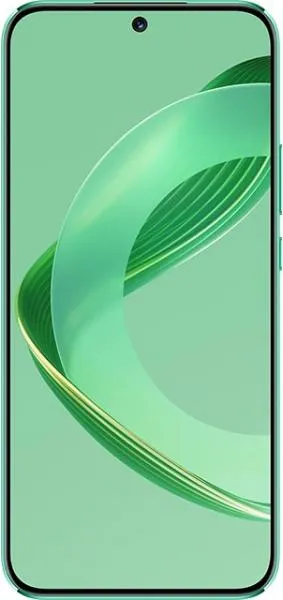
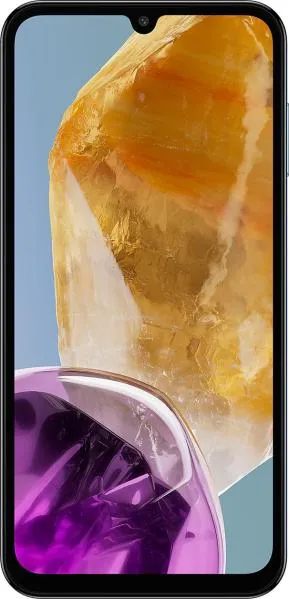
1. Specifications Comparison
| Feature | Huawei nova 11 | Samsung Galaxy M15 | Practical Impact |
|---|---|---|---|
| Design | |||
| Dimensions (mm) | 161.3 x 75 x 6.9 | 160.1 x 76.8 x 9.3 | Nova 11 is significantly thinner and lighter, making it more pocketable and comfortable for one-handed use. |
| Weight (g) | 168 | 217 | Nova 11's lighter weight reduces hand fatigue during extended use. |
| Display | |||
| Size (inches) | 6.7 | 6.5 | Negligible difference in screen real estate. |
| Resolution (px) | 1084 x 2412 | 1080 x 2340 | Similar sharpness; both offer crisp visuals. |
| Display Type | OLED, 120Hz | Super AMOLED, 90Hz | Nova 11's OLED display with 120Hz refresh rate delivers smoother animations and scrolling compared to the M15's 90Hz. OLED generally offers better contrast and deeper blacks. |
| Peak Brightness (nits) | 950 | 800 | Nova 11 should offer better visibility in direct sunlight. |
| Performance | |||
| Chipset | Snapdragon 778G 4G (6nm) | Dimensity 6100+ (6nm) | Both are mid-range chipsets. Performance differences might be subtle in everyday tasks but could be noticeable in demanding games or multitasking. Benchmark scores would be needed for definitive comparison. |
| CPU | Octa-core (4x2.4 GHz & 4x1.8 GHz) | Octa-core (2x2.2 GHz & 6x2.0 GHz) | Similar CPU configurations; real-world performance depends on optimization and specific tasks. |
| GPU | Adreno 642L | Mali-G57 MC2 | Gaming performance likely favors the Adreno 642L, but a direct comparison of benchmarks is needed. |
| RAM (GB) | 8 | 6/4 (Variant Dependent) | The 8GB RAM in the Nova 11 enables smoother multitasking and better performance with memory-intensive apps compared to the 4GB RAM variant of the M15. The 6GB variant of the M15 bridges the gap somewhat. |
| Camera | |||
| Main Camera (MP) | 50 | 50 | Megapixel count is similar; image quality depends on sensor size, aperture, and software processing. |
| Selfie Camera (MP) | 60 | 13 | Nova 11 boasts a significantly higher resolution selfie camera, likely producing more detailed self-portraits. |
| Video Recording | 720p@960fps | 1080p@30fps | Nova 11 offers significantly higher frame rate slow-motion video, but at a lower resolution. M15 records at a more standard resolution. |
| Battery | |||
| Capacity (mAh) | 4500 | 6000 | M15's larger battery capacity likely translates to significantly longer battery life. |
2. Key Differences Analysis
Huawei nova 11 Advantages:
- Superior Display: Smoother 120Hz refresh rate and potentially better color accuracy and contrast with OLED technology. Brighter display for outdoor use.
- Sleeker Design: Thinner and lighter build for enhanced portability.
- Higher Resolution Selfie Camera: More detailed self-portraits.
- High Frame Rate Slow-Motion: Captures dramatic slow-motion footage.
Samsung Galaxy M15 Advantages:
- Significantly Larger Battery: Potentially much longer usage time between charges.
- 5G Connectivity: Access to faster mobile data speeds (depending on network availability). The Nova 11 is limited to 4G.
- Lower Price: Generally more affordable than the Nova 11.
3. User Profiles & Recommendations
Huawei nova 11: Users who prioritize a premium design, smooth display, and a good selfie camera. Suitable for:
- Social media enthusiasts
- Mobile gamers (to a lesser extent than dedicated gaming phones)
- Users who value a sleek and lightweight device
Samsung Galaxy M15: Users who prioritize long battery life, 5G connectivity, and affordability. Suitable for:
- Users who need a phone that lasts all day on a single charge.
- Users in areas with 5G coverage who want faster data speeds.
- Budget-conscious buyers
4. Decision Framework
Key Questions for Buyers:
- How important is battery life? If all-day battery life is crucial, the M15 is the clear winner.
- Do you need 5G connectivity? If access to 5G networks is essential, the M15 is the only option.
- What is your budget? The M15 offers better value for money in terms of sheer specifications for the price.
My Choice:
I would choose the Huawei nova 11. While the Samsung Galaxy M15 offers a larger battery and 5G, I prioritize the superior display, sleeker design, and better overall user experience that the Nova 11 offers. The smoother 120Hz refresh rate and OLED screen are significant factors for me, as they greatly enhance daily usage. While the battery life might be shorter, I find the trade-off acceptable for the improved feel and performance of the Nova 11. The lack of 5G is not a deal breaker for me personally, as 4G speeds are sufficient for my current needs. Ultimately, I am willing to pay a premium for a device that provides a more enjoyable and premium user experience. However, if battery life or 5G were absolute necessities, the M15 would be a strong contender.
