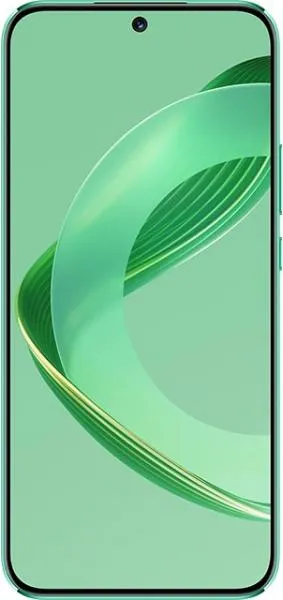
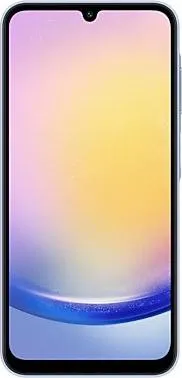
1. Specifications Comparison
| Feature | Huawei nova 11 | Samsung Galaxy A25 | Practical Impact |
|---|---|---|---|
| Design | |||
| Dimensions (mm) | 161.3 x 75 x 6.9 | 161 x 76.5 x 8.3 | Nova 11 is noticeably thinner and slightly narrower. A25 is heavier. Impacts portability and in-hand feel. |
| Weight (g) | 168 | 197 | Nova 11 is significantly lighter, more comfortable for extended use and one-handed operation. |
| Display | |||
| Size (inches) | 6.7 | 6.5 | Negligible difference in screen real estate. |
| Resolution (px) | 1084 x 2412 | 1080 x 2340 | Similar sharpness; both offer crisp visuals. Nova 11 slightly taller due to aspect ratio. |
| Type | OLED, 120Hz | Super AMOLED, 120Hz | Both offer vibrant colors, deep blacks, and smooth scrolling. Subjective preference for color accuracy and saturation may apply. |
| Peak Brightness (nits) | 950 | 1000 | A25 slightly brighter, improving outdoor visibility. |
| Performance | |||
| Chipset | Snapdragon 778G 4G | Exynos 1280 5G | A25 has 5G connectivity, enabling faster data speeds where available. 778G generally performs well in day-to-day tasks. |
| CPU | Octa-core (Kryo 670) | Octa-core (Cortex) | Both offer comparable performance for everyday use; benchmarks needed for detailed comparison. |
| GPU | Adreno 642L | Mali-G68 | Gaming performance may vary; benchmarks needed for accurate assessment. |
| RAM (GB) | 8 | 6/8 (version dependent) | 8GB RAM generally provides smoother multitasking. Need to confirm A25 version for accurate comparison. |
| OS | Not specified | Android 14 | Lack of OS details for Nova 11 hinders comparison. Android 14 on A25 offers latest features and security updates. |
| Camera | |||
| Main Camera (MP) | 50 | 50 | Similar resolution; image quality depends on sensor, processing, and lens quality, which are not fully detailed. |
| Selfie Camera (MP) | 60 | 13 | Nova 11 boasts significantly higher selfie resolution. A25's 13MP might be sufficient for casual users. |
| Video | 720p@960fps | 4K@30fps, 1080p@30fps | A25 offers higher resolution video recording; Nova 11 provides higher frame rate slow-motion at lower resolution. |
| Battery | |||
| Capacity (mAh) | 4500 | 5000 | A25 has a larger battery, potentially leading to longer battery life. Real-world usage varies. |
2. Key Differences Analysis
Huawei nova 11 Advantages:
- Lighter and Thinner: More comfortable for one-handed use and portability.
- Higher Resolution Selfie Camera: Significantly better for selfie enthusiasts and video calls.
- Higher Frame Rate Slow-Motion Video: Captures smoother slow-motion footage.
Samsung Galaxy A25 Advantages:
- 5G Connectivity: Future-proof and offers faster data speeds in supported areas.
- Larger Battery: Potentially longer battery life.
- Higher Resolution Video Recording: Captures more detailed videos.
- Brighter Display: Better outdoor visibility
- Latest Android OS: Access to new features and security updates.
3. User Profiles & Recommendations
Huawei nova 11: Users prioritizing a lightweight, stylish design, excellent selfie capabilities, and smooth slow-motion video. Suitable for social media enthusiasts and casual photographers.
Samsung Galaxy A25: Users who need 5G connectivity, prioritize battery life, and want higher resolution video recording capabilities. Ideal for users in areas with 5G coverage who consume media or require reliable data connection.
4. Decision Framework
Key Questions for Buyers:
- Is 5G connectivity crucial? If yes, A25 is the clear choice.
- How important is battery life? A25's larger battery likely offers longer usage.
- What are your primary camera needs? Nova 11 excels in selfies; A25 offers better overall video recording.
Scenario-Based Recommendations:
- Heavy data user with 5G access: Samsung Galaxy A25
- Social media enthusiast prioritizing selfies: Huawei nova 11
- User on a budget seeking long battery life: Samsung Galaxy A25 (depending on the specific 6GB or 8GB RAM version price).
My Choice: Samsung Galaxy A25
While the Huawei Nova 11 offers a sleek design and impressive selfie camera, the Samsung Galaxy A25's 5G connectivity, larger battery, and latest Android OS make it a more compelling overall package for my needs. 5G future-proofs the device, and the larger battery ensures longer usage without needing to recharge frequently. The updated Android OS provides access to the latest features and security updates, crucial for long-term usability. While the Nova 11's selfie camera is superior, the A25's overall camera system is versatile enough for everyday use. The slightly heavier weight is a minor trade-off for the significant benefits offered by the A25. Finally, the lack of clear OS information for the Nova 11 makes it difficult to fully assess its long-term viability.
