1. Specifications Comparison
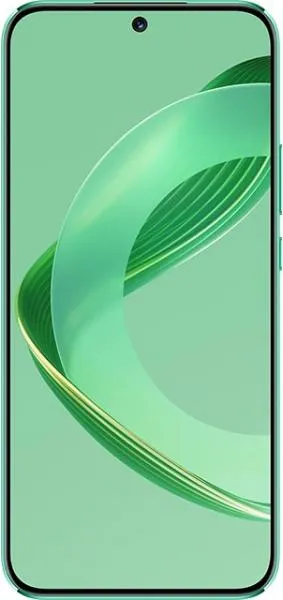
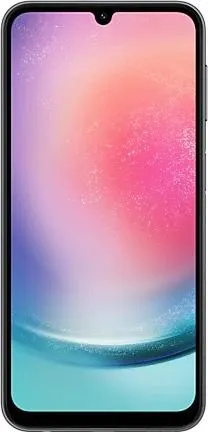
| Feature | Huawei nova 11 | Samsung Galaxy A24 4G | Practical Impact |
|---|---|---|---|
| Design | |||
| Dimensions (mm) | 161.3 x 75 x 6.9 | 162.1 x 77.6 x 8.3 | Nova 11 is noticeably thinner and slightly smaller. More pocketable and comfortable for one-handed use. |
| Weight (g) | 168 | 195 | Nova 11 is significantly lighter, reducing hand fatigue during extended use. |
| Display | |||
| Display Type | OLED, 120Hz | Super AMOLED, 90Hz | Nova 11's OLED display with 120Hz refresh rate offers smoother animations and scrolling compared to the A24's 90Hz. Potentially better for gaming and fast-paced content. |
| Display Size (inches) | 6.7 | 6.5 | Negligible difference in screen real estate. |
| Peak Brightness (nits) | 950 | 1000 | A24 offers slightly higher peak brightness, potentially improving outdoor visibility. |
| Resolution | 1084 x 2412 | 1080 x 2340 | Virtually identical pixel density, resulting in similar sharpness. |
| Performance | |||
| Chipset | Snapdragon 778G 4G (6nm) | Mediatek Helio G99 (6nm) | 778G generally offers better GPU performance, beneficial for gaming and demanding applications. Helio G99 prioritizes power efficiency. |
| CPU | Octa-core (4x2.4 GHz & 4x1.8 GHz) | Octa-core (2x2.2 GHz & 6x2.0 GHz) | 778G's higher clock speeds potentially translate to faster app loading and multitasking. |
| RAM | 8GB | 6GB (in this price comparison) | More RAM in the Nova 11 allows for smoother multitasking and less frequent app closures in the background. |
| Camera | |||
| Main Camera | 50MP, f/1.9 | 50MP, f/1.8, OIS | Similar resolution, but A24 benefits from Optical Image Stabilization (OIS) for steadier videos and better low-light photos. |
| Selfie Camera | 60MP, f/2.4 | 13MP, f/2.2 | Nova 11 boasts a significantly higher resolution selfie camera. |
| Video Recording | 720p@960fps (slow-mo) | 1080p@30fps | Nova 11 offers impressive slow-motion capabilities, but A24 records at a higher resolution for standard video. |
| Battery | |||
| Capacity | 4500 mAh | 5000 mAh | A24 likely offers longer battery life due to larger capacity and potentially more power-efficient chipset. |
| OS | Not specified | Android 13 | Missing OS details for the Nova 11 limit comparison. However, Android 13 on the A24 guarantees recent features and security updates. |
2. Key Differences Analysis
Huawei nova 11 Advantages:
- Superior Design: Thinner, lighter, and potentially more premium feel.
- Smoother Display: 120Hz refresh rate for a more fluid user experience.
- Better Performance: More powerful chipset and more RAM for demanding tasks and gaming.
- Higher Resolution Selfie Camera: For detailed self-portraits.
Samsung Galaxy A24 4G Advantages:
- Longer Battery Life: Larger battery capacity and power-efficient chipset.
- Brighter Display: Enhanced outdoor visibility.
- Optical Image Stabilization: Steadier videos and improved low-light photography.
- Confirmed OS: Android 13 with guaranteed updates.
Trade-offs:
- Nova 11: Potentially shorter battery life, lacks OIS for the main camera, unknown OS details.
- A24: Less powerful processor, lower refresh rate display, lower resolution selfie camera.
3. User Profiles & Recommendations
Huawei nova 11: Users who prioritize design, performance, and a smooth display experience. Suitable for gaming, content consumption, and those who frequently use demanding applications.
Samsung Galaxy A24 4G: Users who prioritize battery life, reliable camera performance (especially in low light), and a well-established operating system with updates. Ideal for everyday use, social media, and casual photography. Price conscious buyers might find this a great option.
4. Decision Framework
Key Questions for Buyers:
- What is your budget? The price difference between these phones could be significant.
- What are your primary smartphone usage patterns? (Gaming, photography, social media, etc.)
- Which features are most important to you? (Battery life, performance, display quality, camera)
Scenario-Based Recommendations:
- Heavy gamer: Huawei nova 11 for its superior performance and smoother display.
- Photography enthusiast: Samsung Galaxy A24 4G for its OIS and potentially better overall camera experience.
- All-day battery life is crucial: Samsung Galaxy A24 4G for its larger battery capacity.
- Budget-conscious user: Samsung Galaxy A24 4G due to its lower price point.
My Choice: Samsung Galaxy A24 4G
While the Nova 11 offers tempting features like a 120Hz display and a more powerful chipset, the lack of clear information about the operating system is a major concern. Potentially outdated software and security updates would significantly impact the long-term usability of the phone. The A24's guaranteed Android 13 updates, coupled with its longer battery life and OIS for the main camera, make it a more reliable and practical choice for my needs. The significantly lower price further solidifies the A24 as the better value proposition in this comparison. I prioritize long-term usability and reliability over slightly better performance or a smoother display.
