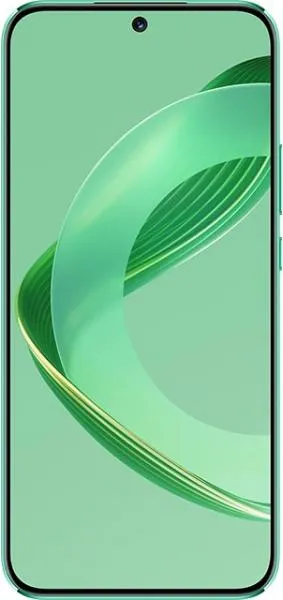
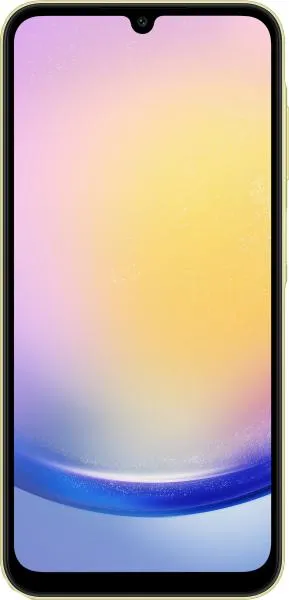
1. Specifications Comparison
| Feature | Huawei nova 11 | Samsung Galaxy A15 | Practical Impact |
|---|---|---|---|
| Design | |||
| Dimensions (mm) | 161.3 x 75 x 6.9 | 160.1 x 76.8 x 8.4 | Nova 11 is significantly thinner and slightly narrower. A15 is taller. Nova 11 will feel more premium and pocketable. |
| Weight (g) | 168 | 200 | Nova 11 is noticeably lighter, improving one-handed use and reducing fatigue. |
| Build Material | Unspecified | Unspecified | Material differences could impact durability and premium feel; information is lacking. |
| Display | |||
| Display Type | OLED | Super AMOLED | Both offer vibrant colors and deep blacks. Subjective preference may determine which looks better. |
| Display Size (inches) | 6.7 | 6.5 | Nova 11 offers a slightly larger screen for more immersive media consumption. |
| Resolution | 1084 x 2412 | 1080 x 2340 | Similar sharpness due to comparable pixel density. |
| Refresh Rate (Hz) | 120 | 90 | Nova 11's 120Hz offers smoother scrolling and animations, enhancing perceived performance. |
| Peak Brightness (nits) | 950 | 800 | Nova 11's higher peak brightness ensures better visibility in direct sunlight. |
| Performance | |||
| Chipset | Snapdragon 778G 4G (6nm) | Mediatek Helio G99 (6nm) | Both are mid-range chipsets. Snapdragon 778G generally offers better GPU performance for gaming. |
| CPU | Octa-core (4x2.4 GHz Kryo 670 & 4x1.8 GHz Kryo 670) | Octa-core (2x2.2 GHz Cortex-A76 & 6x2.0 GHz Cortex-A55) | Benchmarking data is needed for accurate comparison, but architectural differences suggest 778G might be slightly faster. |
| GPU | Adreno 642L | Mali-G57 MC2 | Adreno 642L generally provides a smoother gaming experience compared to Mali-G57 MC2. |
| RAM (GB) | 8 | 4/6/8 (Variant Dependent) | 8GB RAM on Nova 11 ensures better multitasking and app switching compared to 4GB A15 variants. |
| Camera | |||
| Main Camera (MP) | 50 | 50 | Megapixel count alone doesn't determine image quality; sensor size, aperture, and processing play a crucial role. Missing details limit a thorough comparison. |
| Selfie Camera (MP) | 60 | 13 | Nova 11 boasts significantly higher resolution for selfies, potentially capturing more detail. |
| Video Recording | 720p@960fps (Slow-mo) | 1080p@30fps | Nova 11 offers extreme slow-motion capabilities, while A15 is limited to standard 1080p recording. |
| Battery | |||
| Capacity (mAh) | 4500 | 5000 | A15 has a larger battery capacity, potentially offering longer battery life. Real-world usage and optimization significantly impact results. |
| Charging Speed | Unspecified | Unspecified | Missing charging speeds hinder comparison of charging times. |
2. Key Differences Analysis
Huawei nova 11 Advantages:
- Superior Display: Higher refresh rate and peak brightness lead to a smoother and more visible display.
- Generally Better Performance: Snapdragon 778G and Adreno 642L offer better gaming and overall performance.
- Thinner and Lighter Design: More premium feel and improved portability.
- Higher Resolution Selfie Camera: Potentially more detailed selfies.
- Extreme Slow-Motion Video: Unique creative possibilities.
Samsung Galaxy A15 Advantages:
- Larger Battery Capacity: Potential for longer battery life.
- Lower Price: Significantly more affordable based on provided pricing data.
- 5G Connectivity: Future-proofed for faster cellular data speeds (Nova 11 is 4G only).
- More Established OS Ecosystem: Android offers wider app availability and potential for longer software updates compared to Huawei's uncertain OS situation (OS details missing).
3. User Profiles & Recommendations
Huawei nova 11: Users prioritizing performance, display quality, and a premium design. Suitable for gaming, media consumption, and those seeking a sleek device.
Samsung Galaxy A15: Budget-conscious users prioritizing battery life and 5G connectivity. Suitable for everyday tasks, social media, and users needing long battery endurance.
4. Decision Framework
Key Questions for Buyers:
- What is your budget? The A15 offers significant cost savings.
- Is 5G connectivity crucial? A15 is 5G enabled, while Nova 11 is limited to 4G.
- What are your primary use cases? Nova 11 excels in gaming and media consumption, while A15 focuses on battery life and essential tasks.
My Choice:
I would choose the Samsung Galaxy A15. While the Nova 11 offers a better display and performance, the A15's significantly lower price, larger battery, and 5G connectivity outweigh those benefits for me. My primary use cases involve communication, web browsing, and occasional media consumption, where the A15 is more than adequate. The price difference allows for allocation of funds towards other priorities. I acknowledge that if gaming or a premium feel were top priorities, the Nova 11 would be the better choice. Additionally, the lack of clear information about Huawei's current OS situation raises concerns about long-term software support and app availability, making the A15 a safer bet in the long run.
