
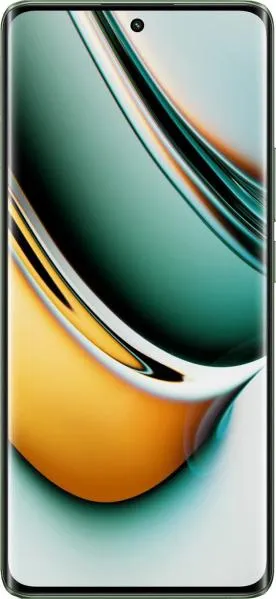
1. Specifications Comparison
| Feature | Huawei nova 11 | Realme 11 Pro+ | Practical Impact |
|---|---|---|---|
| Design | |||
| Dimensions (mm) | 161.3 x 75 x 6.9 | 161.6 x 73.9 x 8.2 | Realme 11 Pro+ is slightly larger and noticeably thicker. Nova 11 is more pocketable. |
| Weight (g) | 168 | 183 | Nova 11 is significantly lighter, reducing hand fatigue during extended use. |
| Display | |||
| Type | OLED | AMOLED | Both offer vibrant colors and deep blacks. Realme's HDR10+ support might offer slightly better dynamic range in compatible content. |
| Size (inches) | 6.7 | 6.7 | Identical screen sizes. |
| Resolution (pixels) | 1084 x 2412 | 1080 x 2412 | Virtually indistinguishable sharpness. |
| Refresh Rate (Hz) | 120 | 120 | Both offer smooth scrolling and animations. |
| Performance | |||
| Chipset | Snapdragon 778G 4G | Dimensity 7050 | Realme has 5G connectivity, a significant advantage for future-proofing. Performance differences in everyday tasks might be minimal, but benchmarks would be needed for a definitive comparison. |
| CPU | Octa-core (4x2.4 GHz Kryo 670 & 4x1.8 GHz Kryo 670) | Octa-core (2x2.6 GHz Cortex-A78 & 6x2.0 GHz Cortex-A55) | CPU architectures differ; real-world performance comparison requires benchmarks. |
| GPU | Adreno 642L | Mali-G68 MC4 | GPU architectures differ; gaming performance comparison requires benchmarks. |
| RAM (GB) | 8 | 12 (in reviewed variant) | The Realme offers more RAM in this configuration, enabling better multitasking and potentially smoother performance with demanding apps. |
| OS | Missing | Android 13 | Lack of OS information for the Nova 11 limits comparison. Realme 11 Pro+ comes with the latest Android and likely longer software update support. |
| Camera | |||
| Main Camera (MP) | 50 | 200 | Realme boasts significantly higher resolution, potentially capturing more detail. Sensor size and image processing will heavily influence actual image quality. |
| Selfie Camera (MP) | 60 | 32 | Nova 11 has a higher resolution front camera. Practical differences in selfie quality depend on factors beyond resolution. |
| Video Capabilities | 720p@960fps with EIS | Up to 4K@30fps with EIS, 720p@960fps with EIS | Realme offers more comprehensive video recording options, including 4K resolution. |
| Battery | |||
| Capacity (mAh) | 4500 | 5000 | Realme offers a larger battery capacity, likely resulting in longer battery life. |
2. Key Differences Analysis
Huawei nova 11 Advantages:
- Lighter and slimmer design: More comfortable for one-handed use and pocket portability.
- Higher resolution selfie camera: Potentially better for detailed selfies. (Needs real-world comparison)
Realme 11 Pro+ Advantages:
- 5G Connectivity: Future-proofs the device for faster network speeds.
- Larger Battery: Potentially longer battery life.
- Higher Resolution Main Camera: Potential for more detailed photos. (Needs real-world comparison)
- More RAM: Smoother multitasking and handling of demanding applications (in the 12GB variant).
- Confirmed OS and potential for longer updates: Android 13 provides the latest features and security updates.
3. User Profiles & Recommendations
Huawei nova 11: Users prioritizing a lightweight, pocketable phone for everyday tasks, social media, and casual photography, and who are not concerned about 5G.
Realme 11 Pro+: Users who need 5G connectivity, prioritize battery life, desire a high-resolution main camera, engage in heavy multitasking, and value longer software update support. Good for mobile gaming and photography enthusiasts.
4. Decision Framework
Key Questions for Buyers:
- Is 5G connectivity crucial? If yes, the Realme 11 Pro+ is the only option.
- How important is battery life? Realme 11 Pro+'s larger battery offers an advantage.
- What is your budget and which configuration offers the best value? Pricing needs careful consideration based on storage and RAM variants.
Scenario-Based Recommendations:
- Heavy data user, gamer: Realme 11 Pro+ due to 5G, larger battery, and more RAM.
- Casual user prioritizing portability and style: Huawei nova 11 due to its slim and lightweight design.
My Choice: Realme 11 Pro+
While the Huawei nova 11 offers a compelling lightweight design, the Realme 11 Pro+'s 5G connectivity, larger battery, significantly upgraded camera system (on paper), more RAM, and confirmed OS with potential for longer updates make it the more future-proof and versatile choice for my needs. The slightly larger size and weight are acceptable trade-offs for these advantages. The lack of clear OS information for the Huawei Nova 11 is also a significant concern. However, if living in a region without 5G and prioritizing a compact phone is paramount, the Nova 11 might be a suitable alternative.
