1. Specifications Comparison
| Feature | Huawei nova 11 | Nothing Phone (2a) Plus | Practical Impact |
|---|---|---|---|
| Design | |||
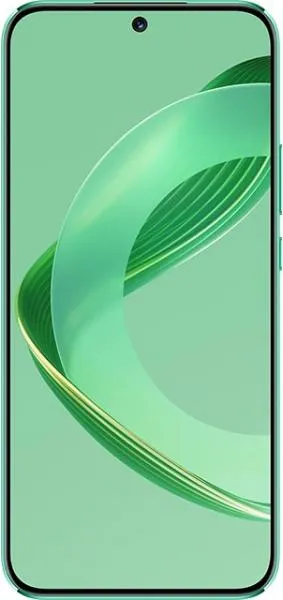
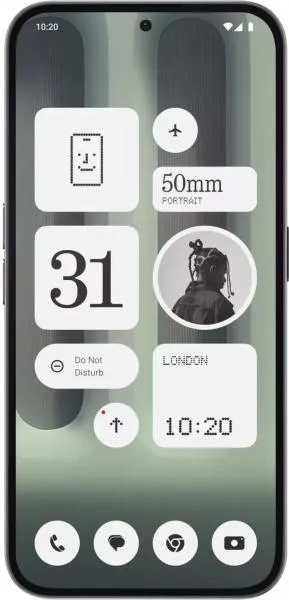
| Dimensions (mm) | 161.3 x 75 x 6.9 | 161.7 x 76.3 x 8.5 | The Nova 11 is noticeably thinner and slightly narrower, making it more pocketable. The Phone (2a) Plus is thicker and a bit wider. |
| Weight (g) | 168 | 190 | The Nova 11 is significantly lighter, reducing hand fatigue during extended use. |
| Display | |||
| Display Type | OLED | AMOLED | Both offer excellent contrast and vibrant colors. AMOLED generally allows for more power efficiency due to individual pixel illumination. |
| Display Size (inches) | 6.7 | 6.7 | Identical screen sizes provide the same viewing area. |
| Resolution (pixels) | 1084 x 2412 | 1080 x 2412 | Virtually identical resolutions; sharpness will be indistinguishable to the naked eye. |
| Refresh Rate (Hz) | 120 | 120 | Both displays offer smooth scrolling and animations thanks to the high refresh rate. |
| Peak Brightness (nits) | 950 | 1300 | The Phone (2a) Plus has significantly higher peak brightness, making it much more readable in direct sunlight. |
| Performance | |||
| Chipset | Snapdragon 778G 4G (6 nm) | Dimensity 7350 Pro (4 nm) | While both are mid-range chipsets, benchmarks suggest the Dimensity 7350 Pro offers a slight edge in raw performance. The 4nm process on the Dimensity should also result in better power efficiency. |
| CPU | Octa-core (4x2.4 GHz Kryo 670 & 4x1.8 GHz Kryo 670) | Octa-core (2x3.0 GHz Cortex-A715 & 6x 2.0 GHz Cortex-A510) | Both CPUs should handle everyday tasks well. The higher clock speed on the Phone (2a) Plus might give it a slight advantage in demanding applications. |
| GPU | Adreno 642L | Mali-G610 MC4 | Performance differences between these GPUs will likely be noticeable in graphically intensive games, with the Adreno 642L generally considered more powerful. |
| RAM (GB) | 8 | 12 | The Phone (2a) Plus having 12GB RAM allows for more apps to be held in memory, reducing reloading and improving multitasking. |
| OS | Unknown | Android 14 | Not knowing the OS of the Nova 11 makes comparison difficult. Android 14 on the Phone (2a) Plus guarantees the latest features and security updates. |
| Camera | |||
| Main Camera (MP) | 50 | 50 | Megapixel count is identical; image quality will depend more on sensor size, aperture, and processing. |
| Ultrawide (MP) | 8 | 50 | The Phone (2a) Plus boasts a significantly higher resolution ultrawide camera, enabling much more detailed and versatile wide-angle shots. |
| Selfie Camera (MP) | 60 | 50 | The Nova 11 has a higher resolution front-facing camera, but practical differences will depend on other factors like sensor quality. |
| Video Capabilities | 720p@960fps with EIS | 4K@30fps with EIS, 1080p@120fps with EIS | The Phone (2a) Plus offers significantly better video recording capabilities with higher resolution and frame rates, along with Electronic Image Stabilization (EIS) at multiple resolutions and frame rates. |
| Battery | |||
| Capacity (mAh) | 4500 | 5000 | The Phone (2a) Plus has a larger battery, potentially offering longer battery life. |
2. Key Differences Analysis
Huawei nova 11 Advantages:
- Lighter and Thinner: More comfortable for one-handed use and pocket portability.
- Potentially Better GPU: May offer a smoother gaming experience.
Nothing Phone (2a) Plus Advantages:
- Brighter Display: Much easier to see outdoors in bright conditions.
- Larger Battery: Potential for longer usage between charges.
- More RAM: Improved multitasking and reduced app reloading.
- 5G Connectivity: Faster data speeds and future-proofing.
- Superior Camera System: Notably better ultrawide and more versatile video recording capabilities.
- Known Software: Android 14 provides known features and expected update cycle.
Trade-offs:
- The Nova 11's slimmer profile comes at the cost of a smaller battery.
- The Phone (2a) Plus's larger battery and more powerful hardware likely contribute to its increased weight.
3. User Profiles & Recommendations
Huawei nova 11: Users prioritizing portability and a lightweight feel who are primarily using their phone for everyday tasks and casual gaming. Good for those in areas without 5G coverage.
Nothing Phone (2a) Plus: Users who value a bright display, long battery life, strong performance, and a versatile camera system. Excellent for content consumption, mobile gaming, and photography enthusiasts. Best for those who want the latest Android features and 5G connectivity.
4. Decision Framework
Key Questions for Buyers:
- Is 5G connectivity crucial? The Phone (2a) Plus offers 5G, while the Nova 11 is limited to 4G.
- How important is battery life? The Phone (2a) Plus has a larger battery.
- What is your budget and are you comfortable with Huawei's current software situation given potential limitations on app availability and updates?
My Choice: Nothing Phone (2a) Plus
While the Huawei Nova 11 offers a slimmer and lighter design, the Nothing Phone (2a) Plus presents a more compelling overall package. The significantly brighter display, larger battery, superior camera system, 5G connectivity, more RAM, and the known quantity of Android 14 are decisive advantages. While heavier, the Phone (2a) Plus offers significant benefits in crucial areas like display visibility, battery life, and future-proof connectivity. The lack of clear OS information for the Nova 11 is also a concern. For most users, the Phone (2a) Plus would be the more versatile and satisfying choice.
