1. Specifications Comparison
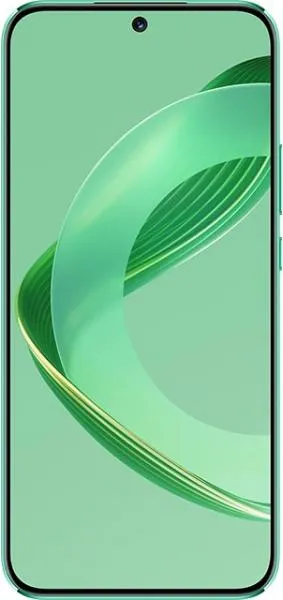
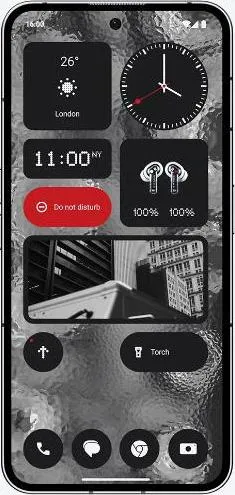
| Feature | Huawei nova 11 | Nothing Phone (2) | Practical Impact |
|---|---|---|---|
| Design | |||
| Dimensions (mm) | 161.3 x 75 x 6.9 | 162.1 x 76.4 x 8.6 | Nova 11 is noticeably thinner and lighter, more pocketable. |
| Weight (g) | 168 | 201.2 | Significant weight difference; Nova 11 is more comfortable for extended use. |
| Display | |||
| Size (inches) | 6.7 | 6.7 | Same screen size. |
| Resolution (pixels) | 1084 x 2412 | 1080 x 2412 | Virtually identical resolution; sharpness differences are negligible. |
| Type | OLED, 120Hz | LTPO OLED, 120Hz | Both offer smooth scrolling; LTPO on Phone (2) allows for dynamic refresh rate, potentially saving battery. |
| Peak Brightness (nits) | 950 | 1600 | Phone (2) offers significantly higher peak brightness, crucial for outdoor visibility. |
| Performance | |||
| Chipset | Snapdragon 778G 4G (6 nm) | Snapdragon 8+ Gen 1 (4 nm) | Phone (2) has a significantly more powerful processor, enabling smoother multitasking and demanding gaming. |
| CPU | Octa-core (4x2.4 GHz & 4x1.8 GHz) | Octa-core (1x3.0 GHz & 3x2.5 GHz & 4x1.80 GHz) | Phone (2)'s superior CPU architecture provides a noticeable performance advantage. |
| GPU | Adreno 642L | Adreno 730 | Phone (2)'s more powerful GPU handles graphics-intensive tasks much better. |
| RAM (GB) | 8 | 8/12 | Both offer ample RAM; Phone (2)'s 12GB option provides headroom for future-proofing. |
| OS | Not specified | Android 13 | Lack of OS details for Nova 11 hinders comparison. |
| Camera | |||
| Main Camera (MP) | 50 | 50 | Similar resolution, but sensor details suggest Phone (2)'s Sony IMX890 sensor performs better in various lighting conditions due to larger sensor size and pixel size. |
| Ultrawide (MP) | 8 | 50 | Phone (2) dramatically outperforms with a higher resolution ultrawide, offering better detail and versatility. |
| Selfie (MP) | 60 | 32 | Higher resolution on Nova 11, but practical selfie quality depends on processing and features, which are not fully detailed. |
| Video | 720p@960fps | 4K@60fps | Phone (2) offers significantly better video recording capabilities with higher resolution and frame rates, as well as OIS for smoother footage. |
| Battery | |||
| Capacity (mAh) | 4500 | 4700 | Phone (2) has a slightly larger battery. |
2. Key Differences Analysis
Huawei nova 11 Advantages:
- Lighter and Thinner: Noticeably more comfortable for one-handed use and portability.
- Potentially More Affordable: Depending on market and specific configurations.
Nothing Phone (2) Advantages:
- Significantly More Powerful: Superior performance for demanding tasks and gaming due to the Snapdragon 8+ Gen 1 chip.
- Better Display: Higher peak brightness ensures excellent outdoor visibility. LTPO technology potentially improves battery life.
- Superior Camera System: Notably better ultrawide camera and main camera sensor, better video recording capabilities.
- Larger Battery: Slightly larger battery capacity.
- Confirmed OS and Updates: Ships with Android 13 and expected updates to Android 16.
3. User Profiles & Recommendations
Huawei nova 11: Users prioritizing a lightweight, slim design and affordability over raw performance or cutting-edge camera features. Best for everyday tasks, social media, and casual photography.
Nothing Phone (2): Users who demand top-tier performance, a vibrant display, a versatile camera system, and a longer software support lifecycle. Ideal for mobile gamers, content creators, and power users.
4. Decision Framework
Key Questions for Buyers:
- What is your budget? The Nova 11 is likely more affordable.
- What are your primary smartphone usage patterns? Casual use vs. demanding tasks/gaming.
- How important are camera quality and features? The Phone (2) offers a significant advantage in this area.
Scenario-Based Recommendations:
- Tight budget, casual usage: Huawei nova 11
- Prioritize performance, gaming, and camera: Nothing Phone (2)
My Choice: Nothing Phone (2)
While the Huawei Nova 11 offers a compellingly thin and light design, the Nothing Phone (2)'s significant advantages in performance, display, camera, and confirmed software updates make it the superior choice for me. The Snapdragon 8+ Gen 1 provides a future-proof foundation for demanding applications and games. The brighter display with LTPO is a significant upgrade for outdoor use and potentially battery life. The improved camera system, particularly the ultrawide and main sensor, is crucial for capturing high-quality photos and videos. Finally, the clear software update path ensures a longer lifespan for the device. While the Nova 11's design is attractive, these other factors are more important to my personal needs and usage.
